Rare 19th-century images show China at the dawn of photography罕见的19世纪中国早期照片...
2019年9月17日发布日期
约 7 分钟阅读阅读时间
环球旅行文章主题
Rare 19th-century images show China at the dawn of photography 罕见的19世纪中国早期照片
翻译编辑:清波门 /南外英语系群
Published 9th January 2019 Written byOscar Holland, CNN 2019年1月9日出版 CNN 奥斯卡·霍兰德 撰写
Before the arrival of photography, the Western imagination of China was based on paintings, written travelogues and dispatches from a seemingly far-off land.
From the 1850s, however, a band of pioneering Western photographers sought to capture the country's landscapes, cities and people, captivating audiences back home and sparking a homegrown photography movement in the process.
Among them were the Italian Felice Beato, who arrived in China in the 1850s to document Anglo-French exploits in the Second Opium War, and Scottish photographer John Thompson, whose journey up the Min River offered people in the West a rare look into the country's remote interior.
A rare book dealer by trade, Loewentheil has spent the last three decades acquiring the pictures from auctions and collectors, both in and outside China. They form what he claims to be the world's largest private collection of early Chinese photography. (And given the number of artworks and artifacts lost in the country's turbulent 20th century -- during Mao's Cultural Revolution, in particular -- the claim is entirely reasonable.)
Now, he has put 120 of the prints on display in Beijing for the first time.
The exhibition's scope runs from the 1850s, the very genesis of paper photographs in China, until the 1880s. It features examples of the earliest forms of photography, such as albumen print, which uses egg whites to bind chemicals to paper, and the "wet plate" process, in which negatives were processed on glass plates in a portable dark room.
These technological developments heralded the birth of commercial photography in China, as they allowed images to be quickly replicated and spread for the very first time.
"People wanted to bring back great images that they could sell in other places," said Loewentheil. "People who traveled there, everyone from diplomats and businessmen to missionaries, all wanted to bring home a record of this beautiful culture of China that was so unique.
"Some of them had a market back home, but immediately they found a Chinese love for photography and they developed a strong market inside the country. Chinese photographers (then) picked up on that, and served both markets."
Despite the prominent role of foreigners in early Chinese photography, the exhibition -- and Loewentheil's collection at large -- also aims to honor the achievement of the country's own practitioners.
Some purchased cameras from departing Westerners looking to sell their cumbersome equipment, while others took advantage of Chinese innovation in the field, such as mathematician Zou Boqi, who used foreign-made products to design his own glass plate camera
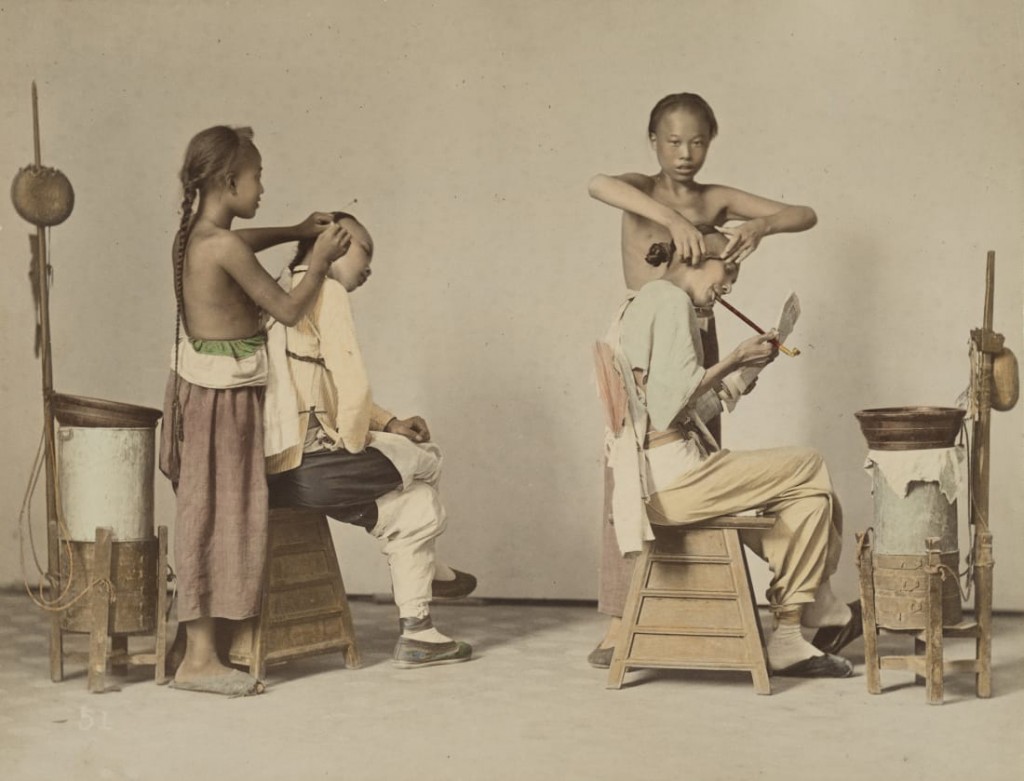
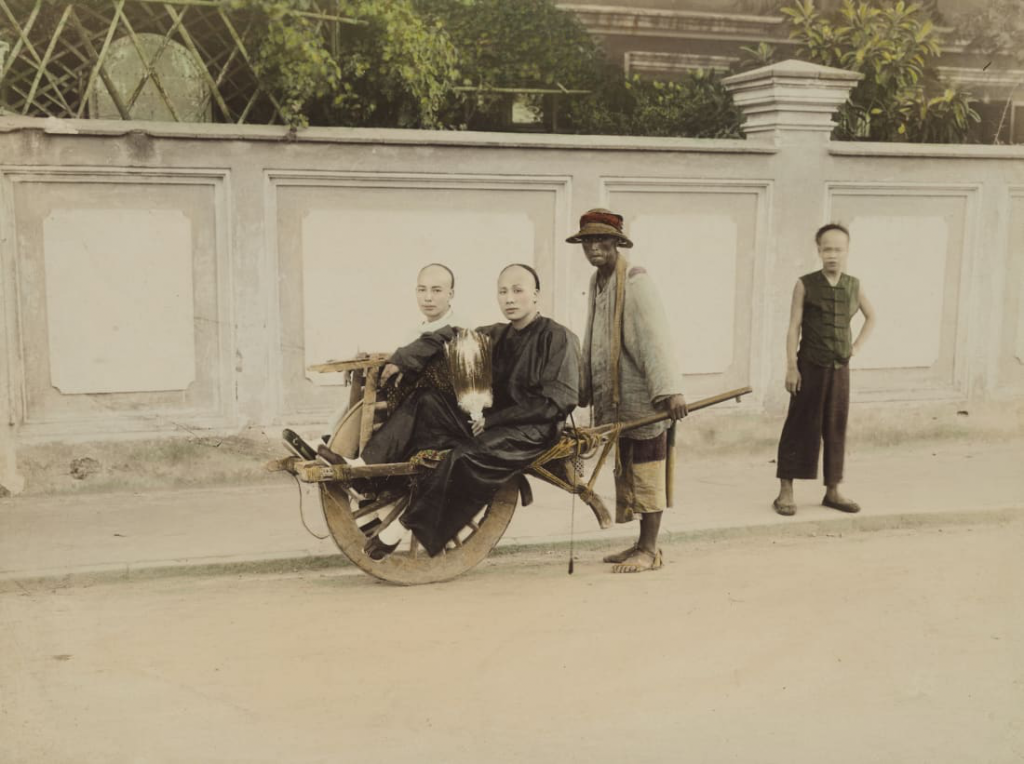
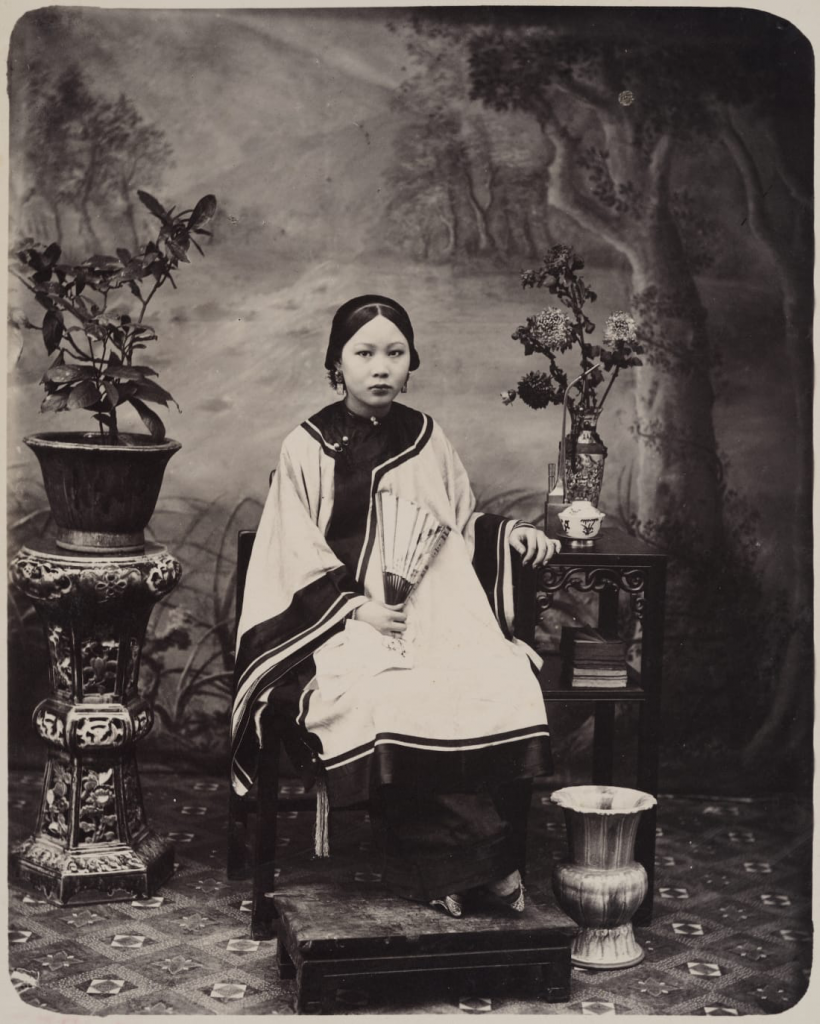
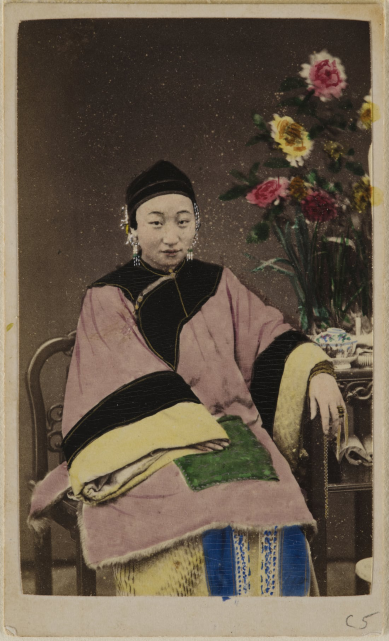
Having first arrived in port cities, photography spread throughout China in the latter half of the 19th century. This led to the creation of commercial studios specializing in portraits of individuals and families, with many of the pictures later hand-colored by trained painters.
Pioneering figures, like Lai Afong, produced portraits, landscapes and cityscapes that were, in Loewentheil's eyes, equal in quality to those of their Western contemporaries.
"There is an equality in Chinese photography, and of Chinese photographers, that is not sufficiently known in China," the collector said. "Some of the very earliest Chinese photographers were brilliant."
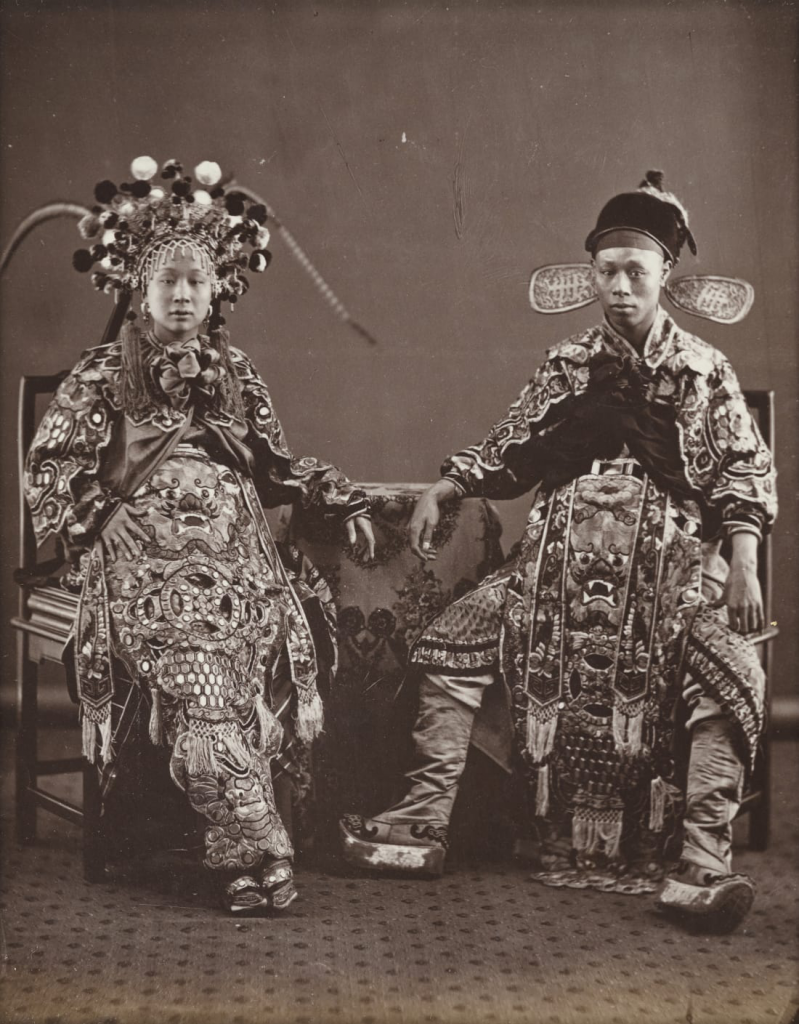
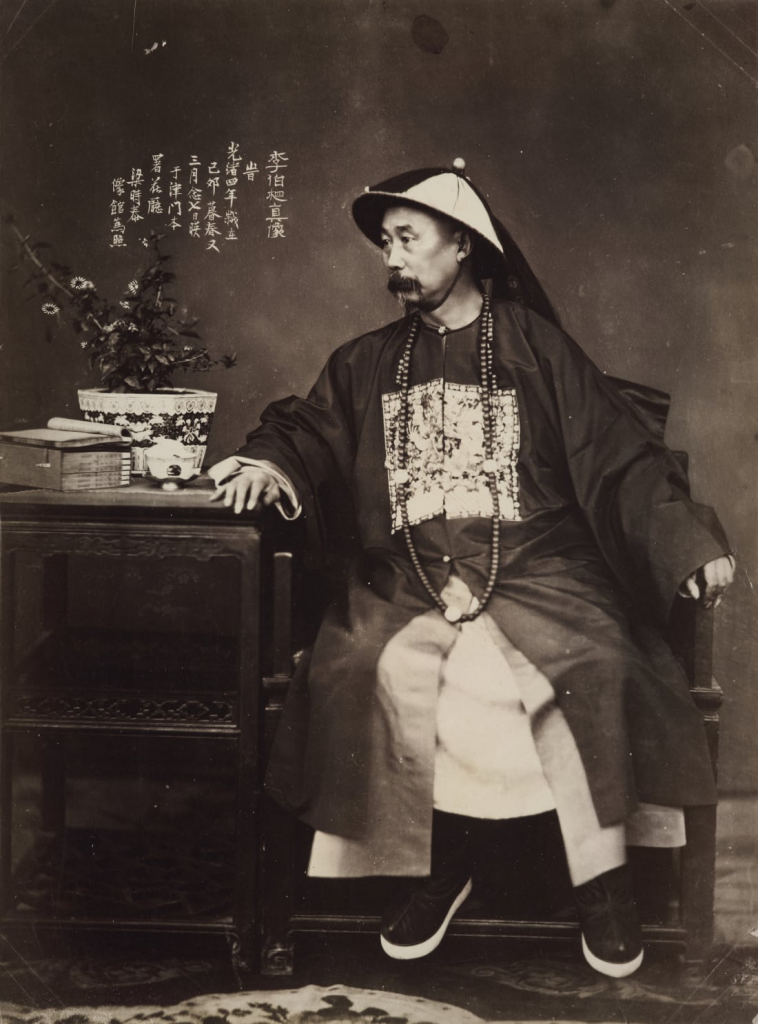
Instead of copying their foreign forebears, China's photographers were often inspired by their own artistic traditions. Portraits, for instance, were treated more like paintings in their composition and use of light, Loewentheil said. Sitters were often pictured facing the camera, straight on and wearing little or no expression, with early portraits appearing to "simulate painted Chinese ancestor portraits."
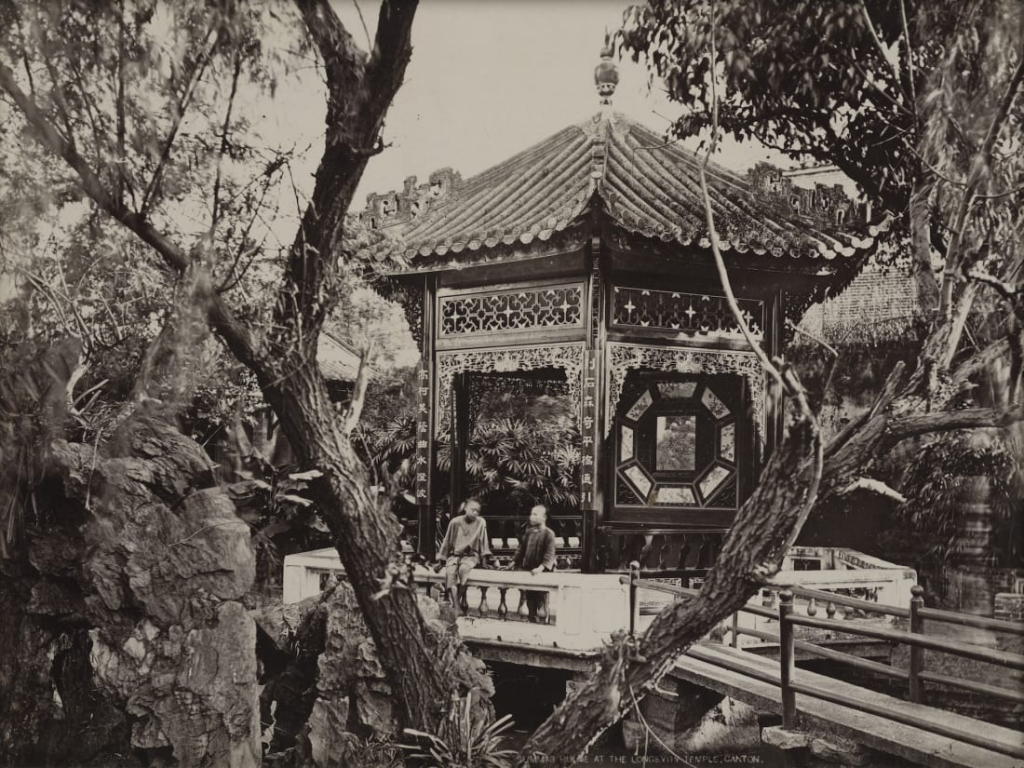
Images of architecture, meanwhile, embraced the surrounding nature rather than focusing on the buildings in isolation, another divergence from the Western tradition.
"Very often, when we have an unidentified photographer, we have a pretty good idea of whether they're Chinese or Western," Loewentheil added.
与此同时,建筑的照片融入了周围的自然,而不是孤立地关注建筑,这是与西方传统的另一个分歧。
洛文希尔补充说:“很多时候,当我们有一个身份不明的摄影师时,我们很清楚他们是中国人还是西方人。”
Preservers of history
Beyond their artistic value, Loewentheil's images also appear to be of academic interest. His current exhibition is taking place at Beijing's Tsinghua University, one of China's leading colleges.
The arrival of foreign technology, including cameras, during the 19th century was just one of the radical changes that would bring the imperial era to an end (China became a republic in 1912 following a four-month revolution). As such, photos from the time capture a world that would quickly disappear from sight.
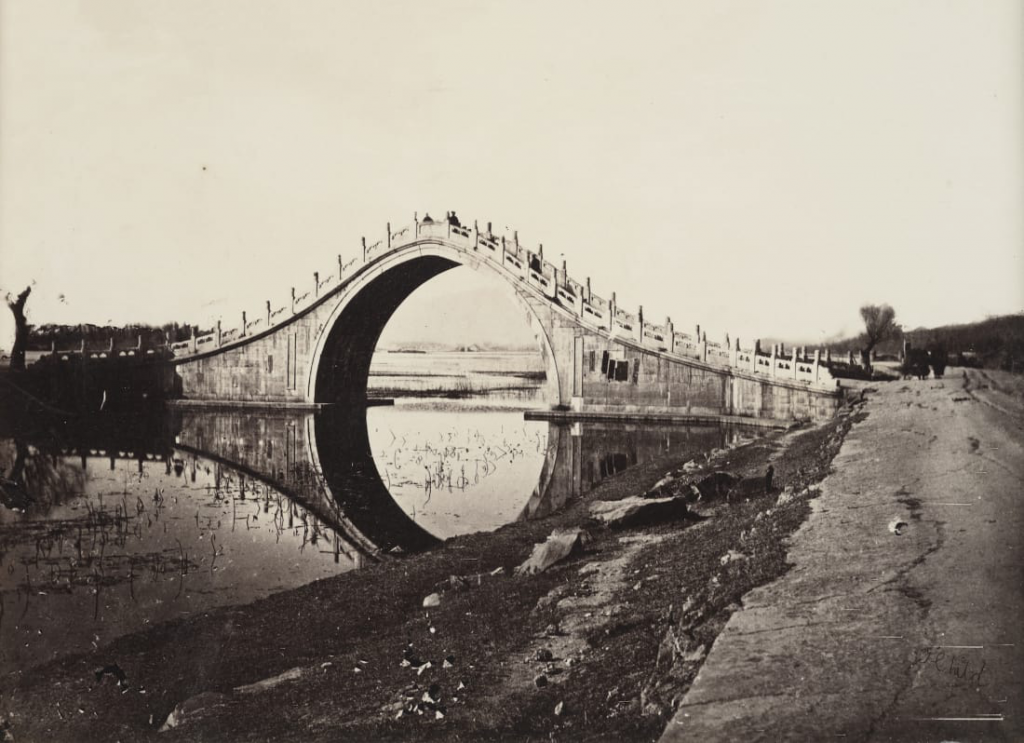
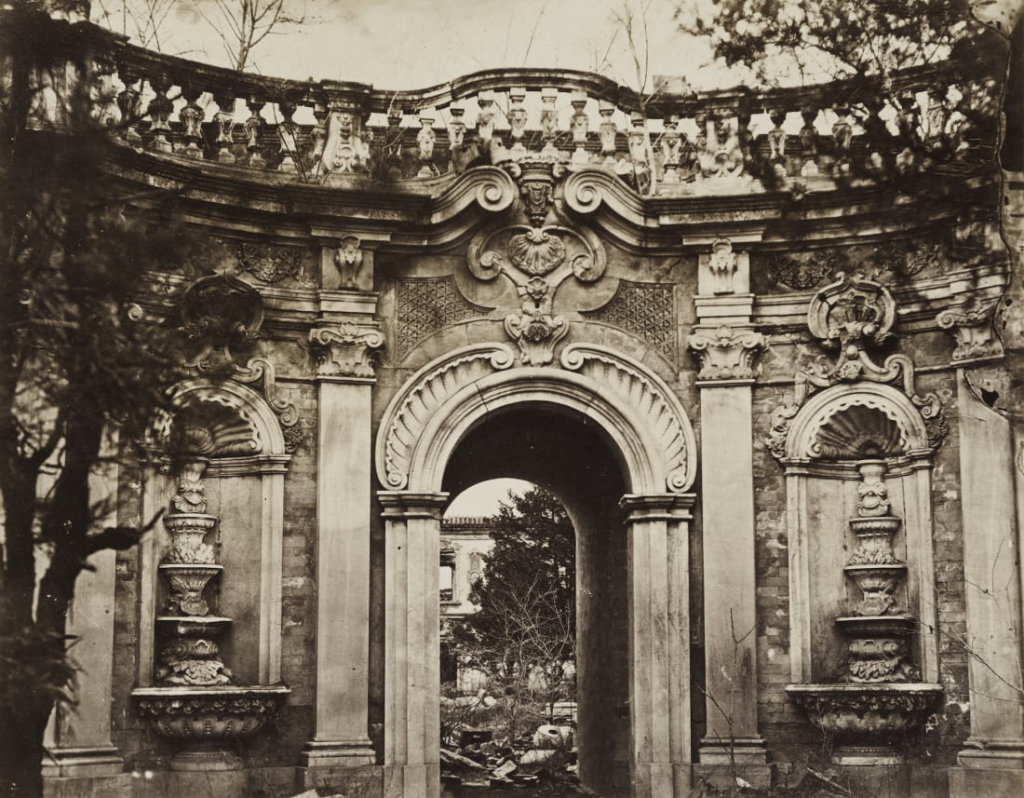
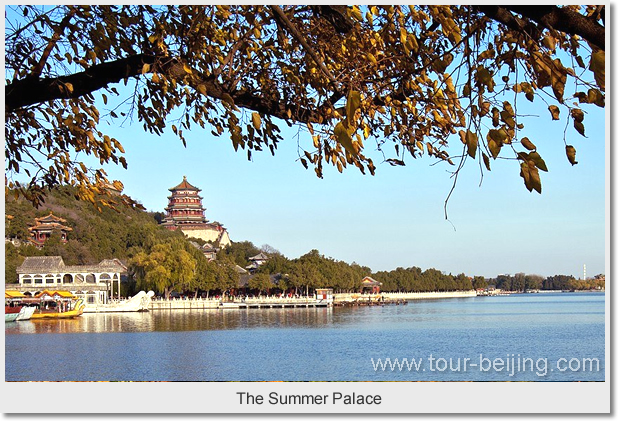
Take, for instance, the work of Englishman Thomas Child, an engineer who documented the intricacies of China's traditional architecture. His pictures of Beijing's Summer Palace, which was subsequently burned down by English and French invaders, offer an invaluable record of its lost architecture.
"Photography is the greatest preserver of history," Loewentheil said. "For many years, the written word was the way that history was transmitted. But the earliest photography preserves culture in China, and elsewhere, as it had been for many hundreds of years because it was simultaneous with the technological revolutions that were to change everything."
And while Loewentheil has made a business of collecting, he maintains that the images have been brought together for posterity's sake. He sees himself as the custodian of a historical archive -- one that should eventually return to its birthplace -- and he is currently digitizing the collection with a view to creating an online repository for historians and researchers.
We really want this to be an asset to the Chinese people, and we're open to academics or intellectuals who want to study (the photos)," he said.
"My hope is that the collection will end up in China. It's not for sale, but from a cultural, intellectually honest perspective: It's something that doesn't belong with me."
"Vision and Reflection: Photographs of China in the 19th Century from the Loewentheil Collection" is on at Tsinghua University Art Museum, Beijing, until Mar 31, 2019.
1 / 16 -Stephan Loewentheil's exhaustive photo archive shines a new light on life in 19th-century China. Scroll through to see more images from his collection.The Loewentheil Collection of China Photography
2 / 16 -A number of the photos in Loewentheil's collection were taken by unidentified artists. The Loewentheil Collection of China Photography
2/16 -洛文希尔收藏的许多照片是由身份不明的艺术家拍摄的。《洛文希尔中国摄影作品集》
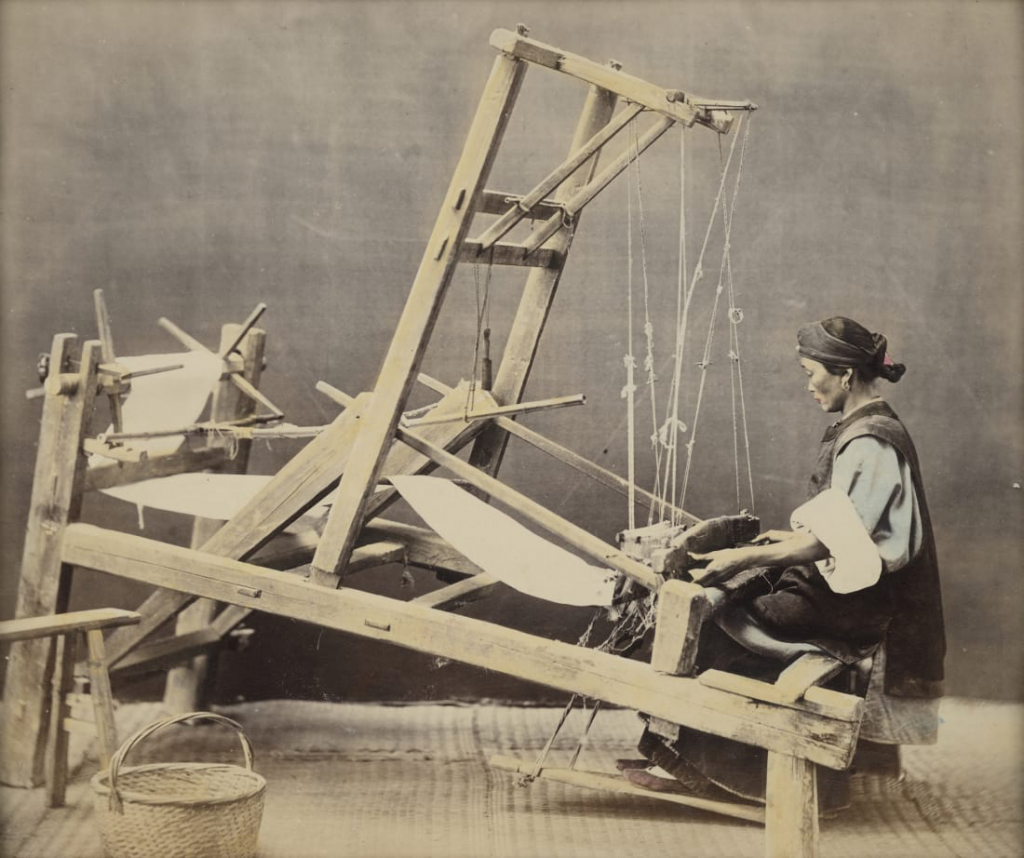
3 / 16 -The 15,000-strong photo collection features everyday Chinese tradespeople from the time, like this weaver.The Loewentheil Collection of China Photography
4 / 16 -After foreigners introduced cameras to China, pioneering figures like Lai Afong produced portraits, landscapes and cityscapes that were, in Loewentheil's eyes, equal in quality to those being produced in the West.The Loewentheil Collection of China Photography
5 / 16 -Like many of the early Western photographers, Thomas Child sold his photos to magazines and book publishers.The Loewentheil Collection of China Photography
6 / 16 -Like in the West, Chinese public figures would often have their portraits taken at a photography studio. This image shows the influential politician and general Li Hongzhang.The Loewentheil Collection of China Photography
7 / 16 -Photography spread throughout China in the latter half of the 19th century, leading to the creation of commercial studios specializing in portraits.The Loewentheil Collection of China Photography
8 / 16 -Studio portraits were often hand-painted by artists after being developed.The Loewentheil Collection of China Photography
8/16 -画室肖像往往在冲洗后由艺术家手绘。《洛文希尔中国摄影作品集》
9 / 16 -The images in Loewentheil's collection often document the architecture of buildings since damaged or destroyed.The Loewentheil Collection of China Photography
9/16 - 洛文希尔专辑中的图像经常记录受损或毁坏后的建筑结构。《洛文希尔中国摄影作品集》
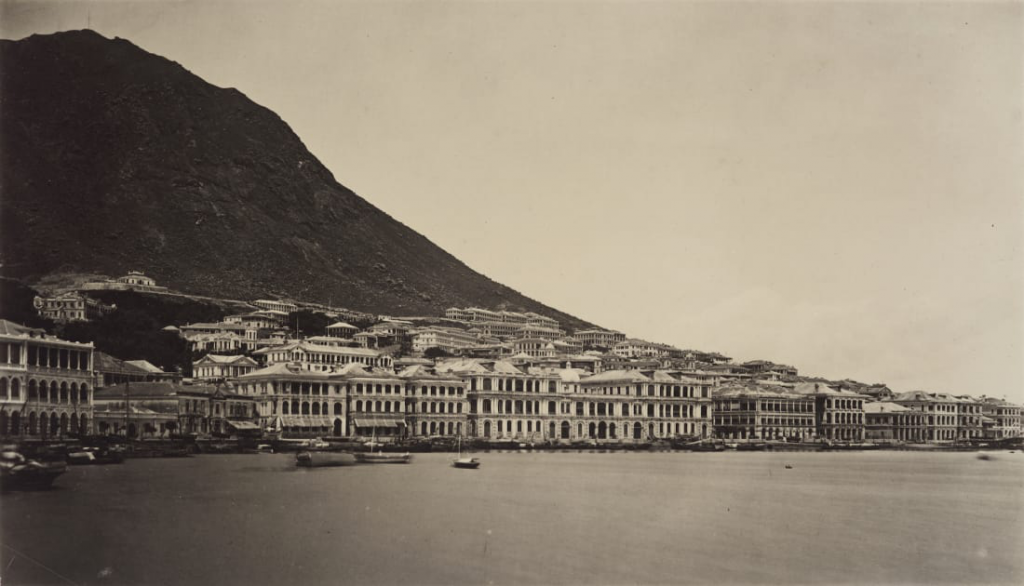
10 / 16 -Scottish photographer John Thompson's view of downtown Hong Kong is virtually unrecognizable from today's mass of skyscrapers.The Loewentheil Collection of China Photography
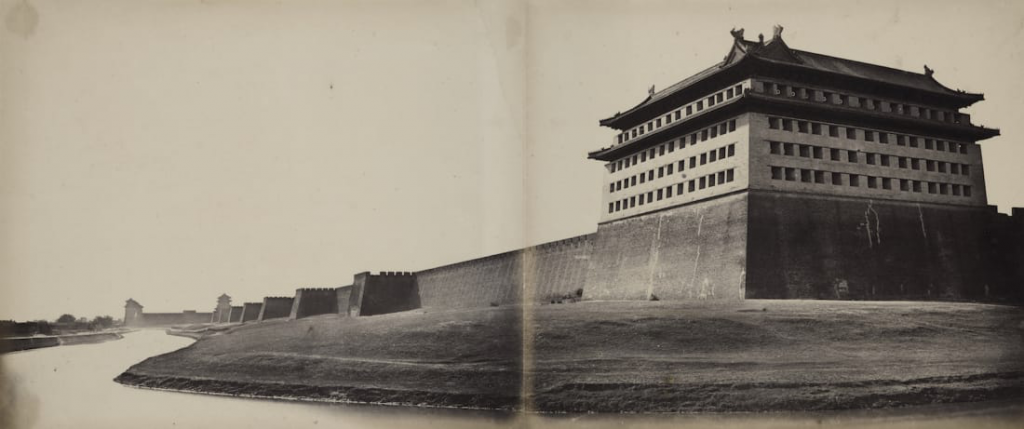
11 / 16 -A panoramic view of Beijing's city walls, almost all of which have since been destroyed.The Loewentheil Collection of China Photography
11/16 -北京城墙的全景,几乎所有的城墙都已被摧毁。《洛文希尔中国摄影作品集》
13 / 16 -Thomas Child's pictures of Beijing's Summer Palace, which was subsequently burned down by Anglo-French forces, offer an invaluable record of its lost architecture.The Loewentheil Collection of China Photography
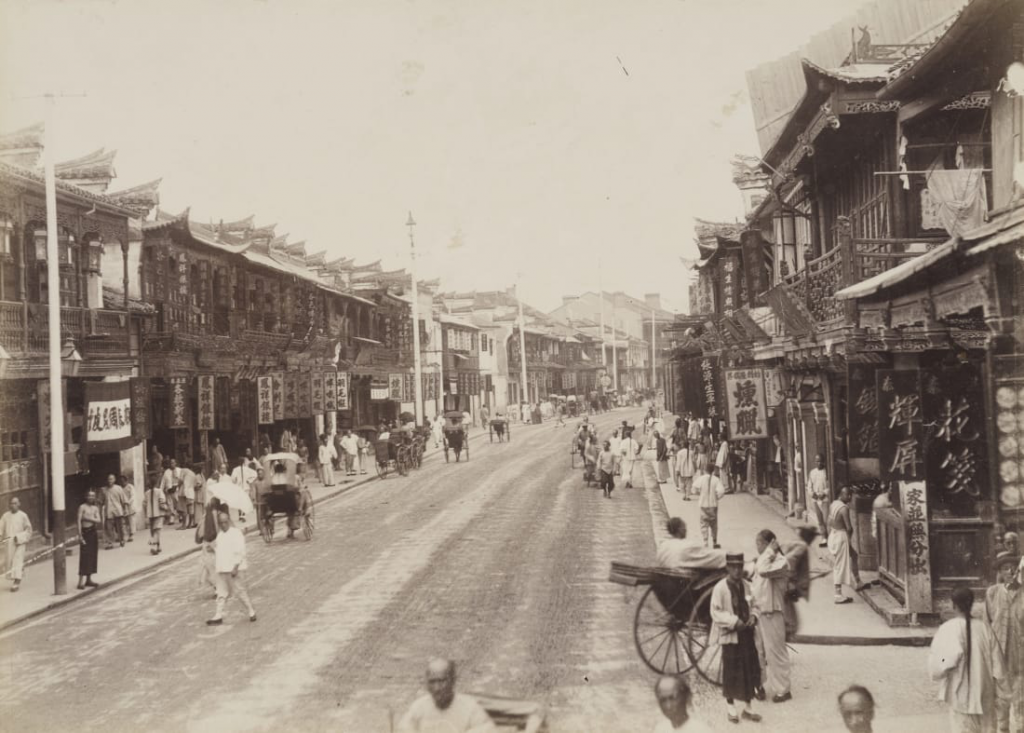
14 / 16 -A street scene in Shanghai. Street photography proved especially challenging at the time, as the unavoidably long exposures often resulted in blurring.The Loewentheil Collection of China Photography
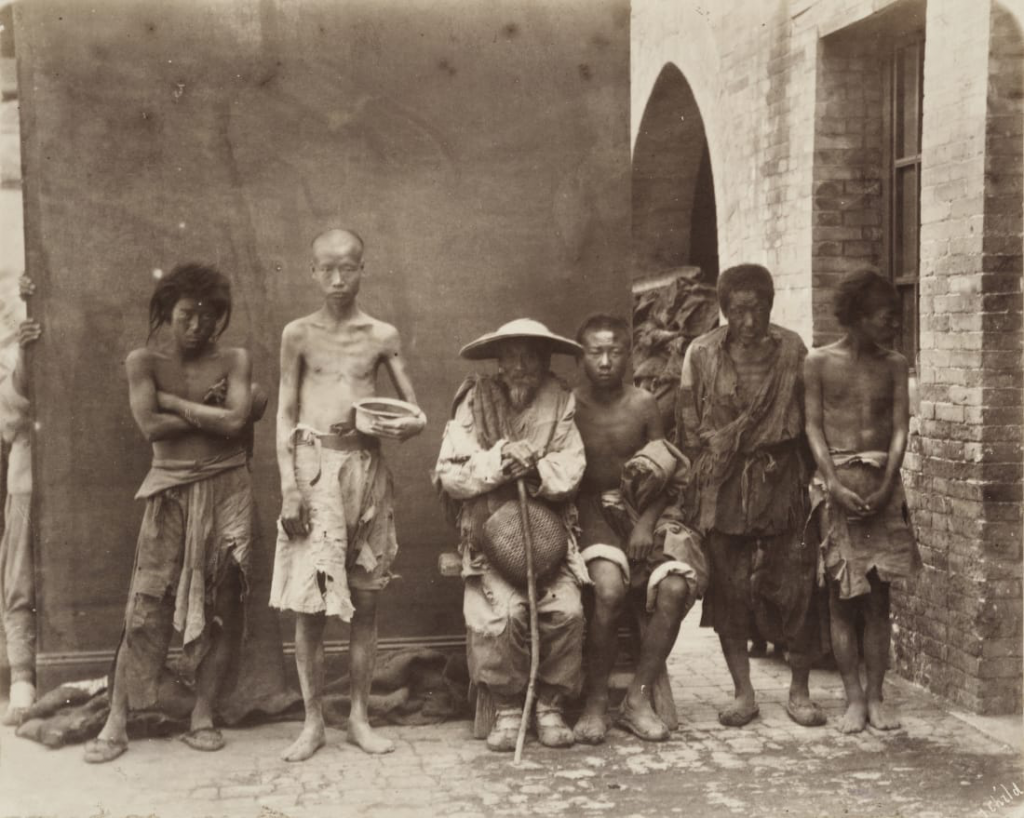
15 / 16 -Englishman Thomas Child was an engineer stationed in Beijing (then Peking) for almost two decades. He often documented the intricacies of China's traditional architecture, although he also turned his lens toward human subjects.The Loewentheil Collection of China Photography
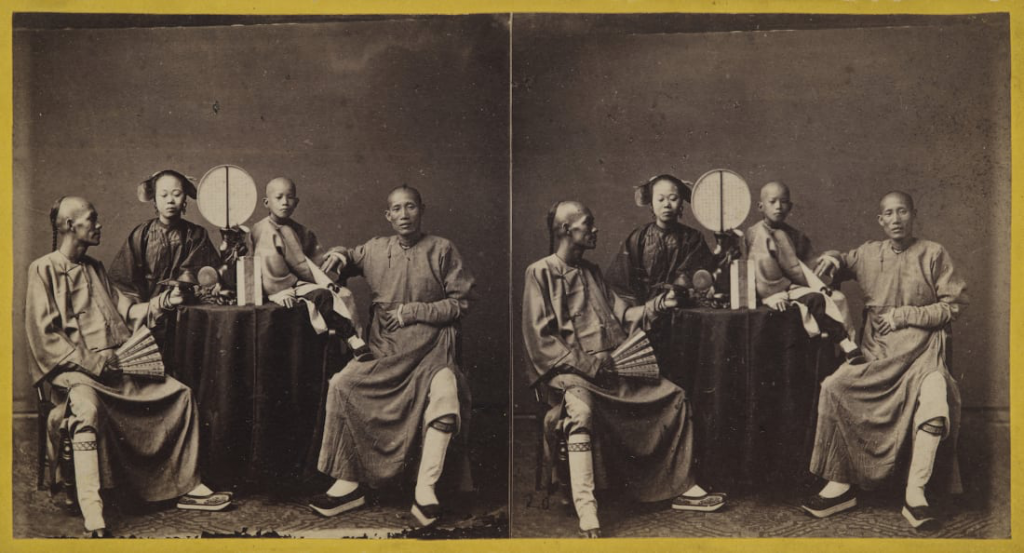
16 / 16 -A studio shot by American photographer Milton Miller, who captured life in Hong Kong and Guangzhou (then Canton) in the early 1860s.The Loewentheil Collection of China Photography