Call a local advisor
+86 186 1196 4400Email our team
[email protected]Tour Beijing Journal
Dear Travellers We’d like to have the following quick guide to remain...
Dear Travellers
We’d like to have the following quick guide to remain updated for the benefit of new visitors who would like to go shopping at the markets in Beijing.
If you are not familiar with the markets in Beijing, you may follow us to explore the top 10 Beijing markets below. I’m sure you will get what you want to enrich your Beijing trip.
Note: We have offered subway information on how to get to the following markets. You may use the Beijing subway map to guide you to get to these markets. Happy Shopping in Beijing!
Normally all the markets are open all year round except Chinese Spring Festival. Most of the markets will be closed for 5 days during China Spring Festival (China's lunar new year).
By the way, most of the department stores and shopping malls are still open during the biggest holiday in China. Most of the listed markets are mainly composed of private vendors who need to go home for family reunion for the big holiday.
Brief introduction: Placemaking in 1977. Renovation: 2019 ( JERDE is honoured to be part of the silk street renovation team). So the old silk street market has been demolished long before. The present Silk Street Market is actually a department-like store ( 5 above and 2 under ) with a floor area of 28,000 square meters.
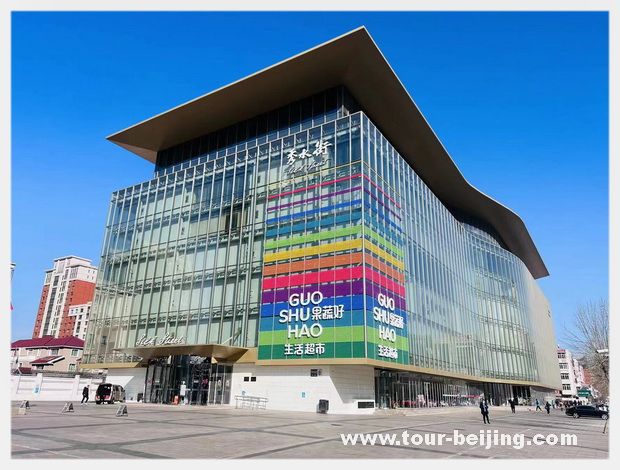
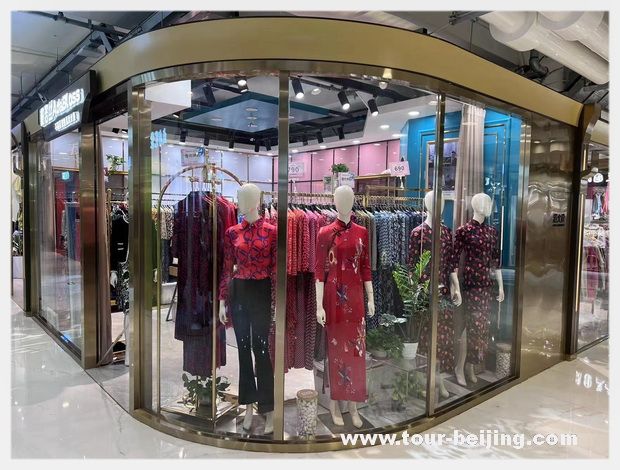
There are now over 500 booths in the building. According to the developer of the building, the advantages of the old market are still kept intact in the present market, targeting the international tourists and local white-collar workers.
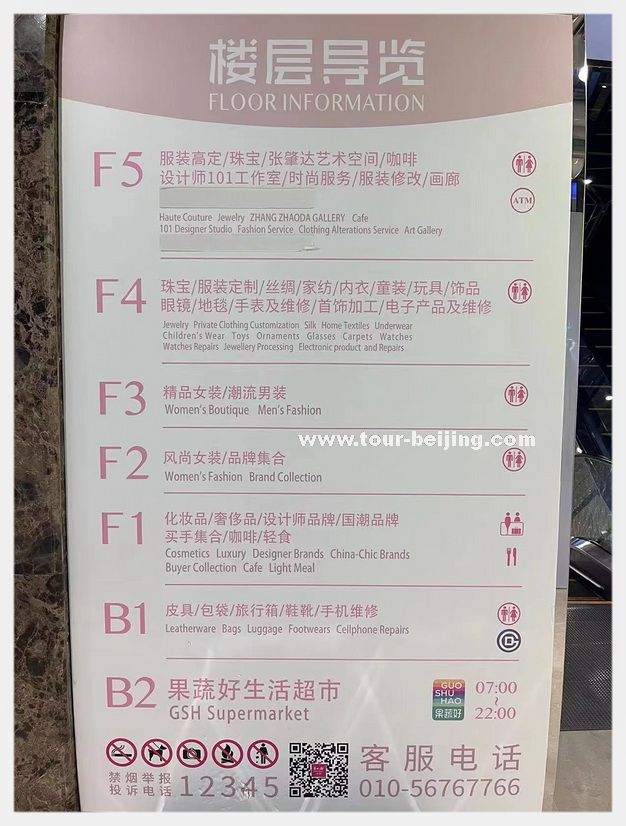
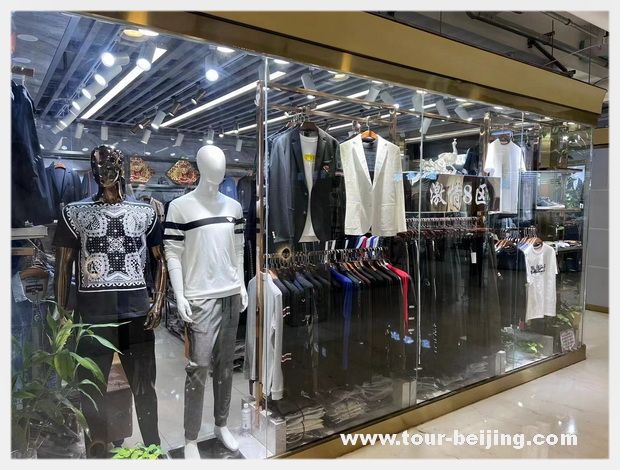
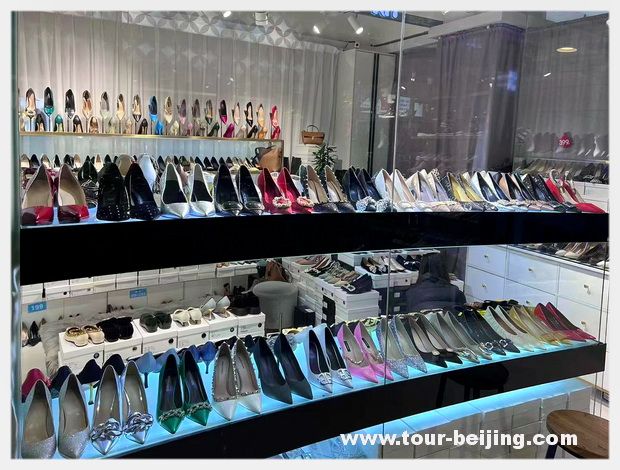
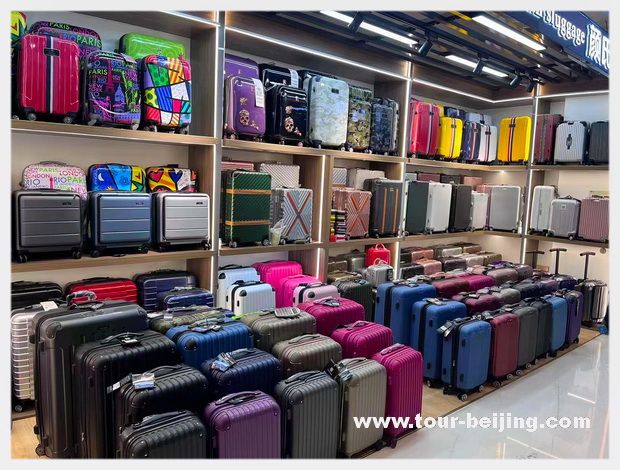
The Silk Street Market cover multiple kinds of goods, including clothing ( F2 and F3); shoes and bags ( B1) ; silk, jewellery and handicrafts ( F4);Coffee, Haute Couture / Jewellery/Clothing alteration service, art gallery ( F5), Grocery Supermarket ( fruit and vegetables at B2), which are favoured by consumers all over the world.
Brief introduction: Panjiayuan Flea Market, or Panjiayuan Market, or Panjiayuan Antique Market, or whatever names you use, is a must for those who like something really Chinese. From Monday to Thursday, it is open from 8:30am to 6:00pm.
On weekend, it is open from 4:30am to 6:00pm. We suggest you go to Panjiayuan on weekends. Only on weekends, you will find some vendors coming from all parts of China to show their personal stuff or artifacts they collect and sell on the ground in a designated area in the market.
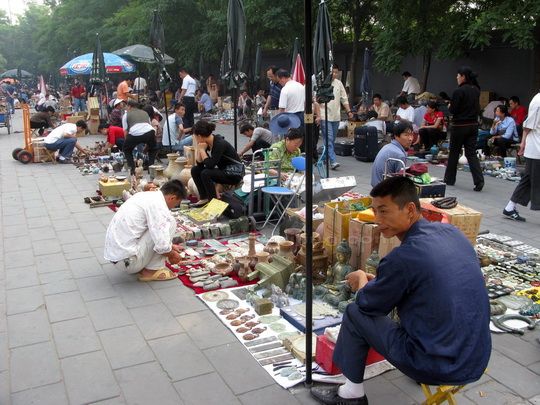
They just put a piece of blanket on the floor and put what they have on it.If you come here on other week days, you won’t see these free vendors. It is actually a huge market place for selling and collecting Chinese folk handcrafts, maybe the largest in Asia!
Brief introduction: Beijing Antique City ( former Beijing Curio City) is a four-story building. It is located just to the west of Huawei Bridge on the southeast third ring road, about 300 meters south of Panjiayuan Flee Market.
It is the largest Chinese antique trade center in Asia.
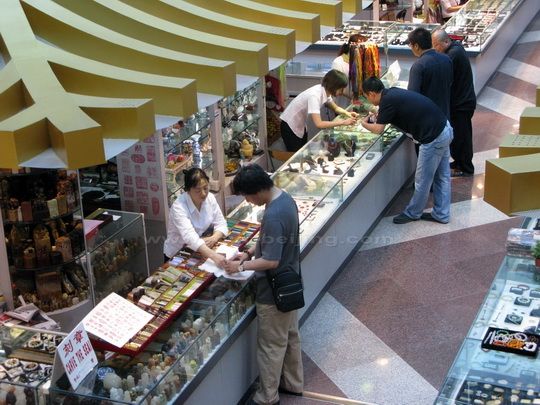
Beijing antique city has a total floor space of 26400㎡. The building is elegantly decorated. At present it has antique over 600 dealers, mainly selling the classical furniture, the ancient clock and watch, the ancient rug, the ancient ceramics, the celebrity calligraphy and painting, the Baiyu ivory carving, the snuffbox.
It also offers the ancient rug, the copper ware image of Buddha, the ancient clock and watch, the ancient ceramic antique chinaware, the Tibetan cultural relic and much more.
Brief introduction: The name of Hongqiao Pearl Market is a little bit misleading. This four-story building offers much more than just pearls. It actually provides everything from bags, shoes, clothes, silk, tea, table-cloth, toys, souvenirs, to pears and jewellery.
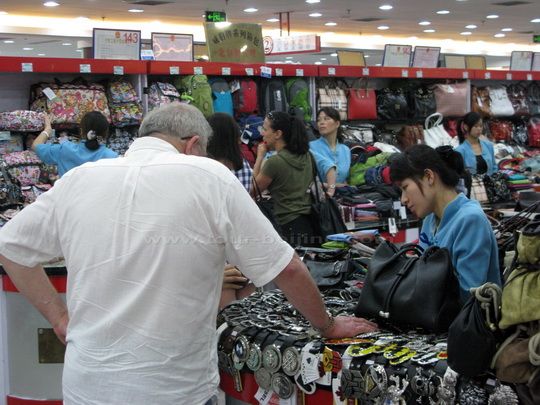
The market has four stories. The first floor sells digital products, timepieces and glasses, Groceries, mobile phone parts and daily necessities; the second floor offers clothes, shoes, cases and bags; the third floor provides pearls, jades and artifacts; the forth floor sells the high-end jewellery. Check out Hongqiao Pearl Market for more information.
Brief introduction: On both sides of the street there are about 100 storefronts and vendors’ stalls selling collectibles and art supplies, including woodblock prints, copies of famous calligraphy, historic paintings (reproductions) and more.
Rongbaozhai is one of Beijing’s top art shops and well worth browsing, actually Rongbaozhai is located on the west section of Liulichang Street. To get to Liulichang Xijie ( the west section of Liulichang Street) on your right side, you have to across the main street.
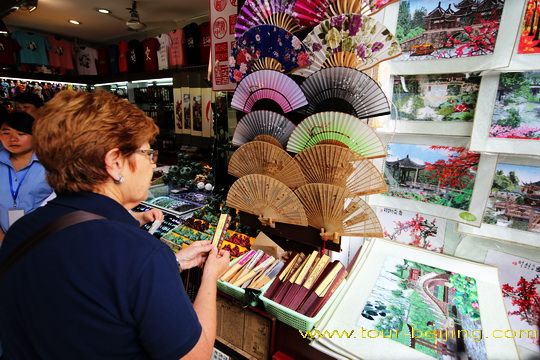
Rongbaozhai's business scope is very wide, ranging from ink, paper and inkstone, to fan albums; from painting and seal cutting to mounting a picture scroll, almost everything from ordinary people to cultural celebrities, all of them are enthusiastic customers of Rongbaozhai.
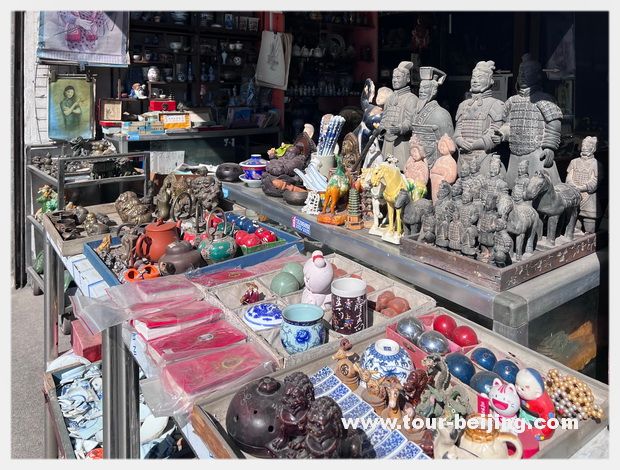
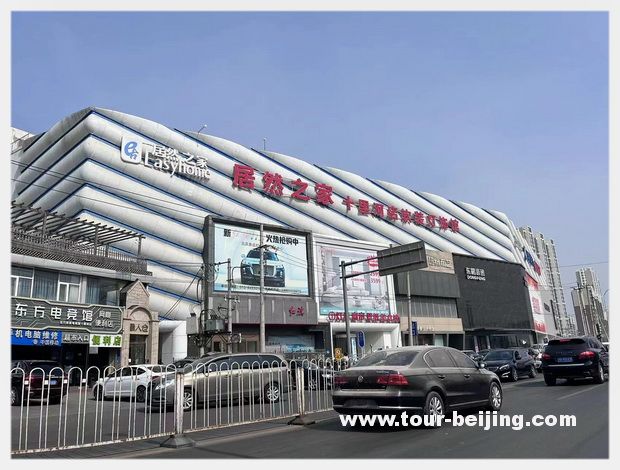
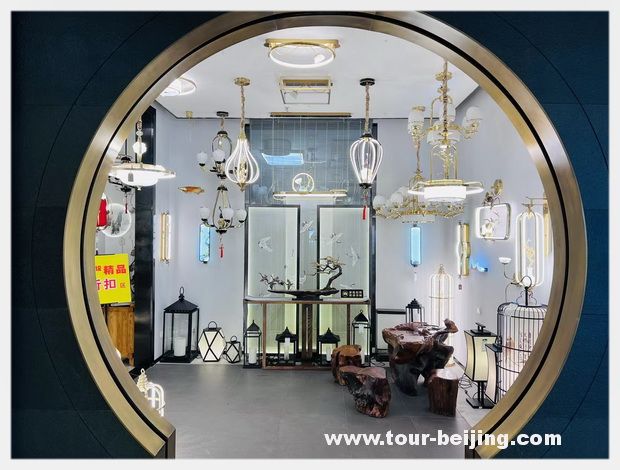
Though its Chinese name “City” suggests its expansiveness, the market is less a city than a street, a household building materials commercial street. It is the largest home improvement market in Beijing, similar to a cluster of Home Depot stores in the States or Canada as well.
Getting there is just a breeze. It is located in the southeast corner of the Third Ring Road in Beijing. Take subway line 10 ( or Line 14 anf 17 ) and get off at the station of Shilihe Zhan ( 十里河站)and exit at Exit K2 or J , you will be on the market street ( located at 100 meters east of Shilihe Bridge, East Third Ring Road, Chaoyang District, Beijing 北京市朝阳区东三环十里河桥东100米 (十号地铁K2出口).
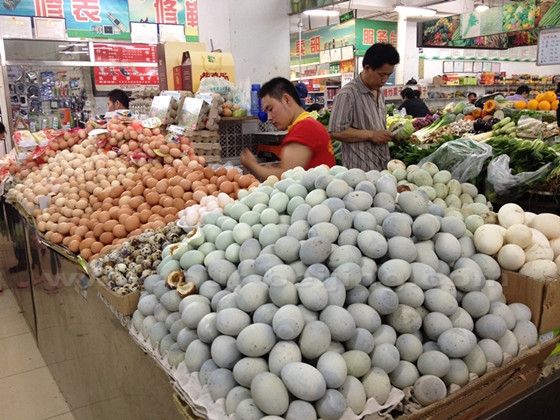
Sanyuanli Market is located in Shunyuanli, Chaoyang District, Beijing. The market was built in October 1992, with a business area of 1560 square meters and 139 booths, selling vegetables, fruits, fresh meat, aquatic products, non-staple food seasonings, grain and oil, pasta tea, general merchandise and daily necessities. The market is a standardized community vegetable market of Beijing.
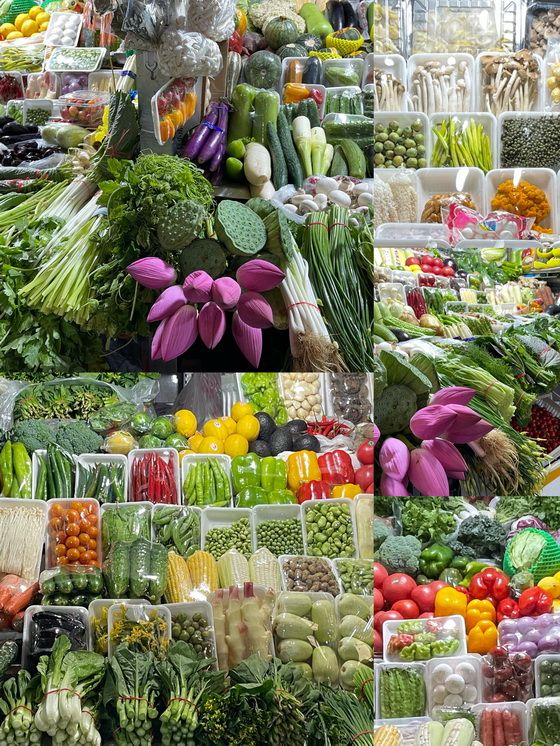
Sanyuanli Market has become the food and produce shopping channel for more than 10,000 households and 30,000 residents in Xinyuanli, Sanyuanli and Shunyuanli communities, as well as the surrounding hotels and restaurants. Guests from foreign embassies, hotels and foreign-related enterprises also frequently patronize this market.
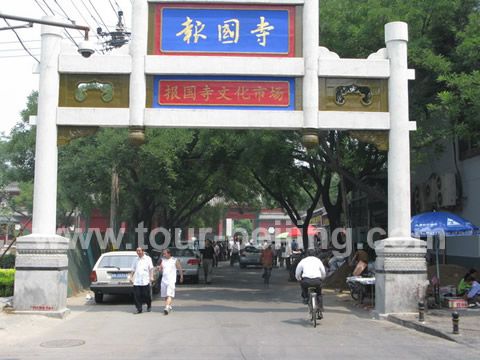
The old open-air Baoguosi Culture Market is closed. But the marekt is there keeping some of its delicate indoor markets. Today Baoguosi Cultural Market is still a cultural market based on Chinese books, stamps and coins. So you still can see some quiet and lively antique trade business going on inside the market ( indoor buildings ).
Brief introduction: "Baoguosi" means Baoguo Temple ( Serving the country Temple ). It was first constructed in the Liao Dynasty (916-1125) in the southern part of downtown Beijing. Baoguo Si was a Buddhist temple. The main hall of the temple has been now transformed into a coin hall, a book and newspaper hall, a ticket and certificate hall, a comic book hall, etc.
In Beijing, there still exist some places where you can see the old streets, typical Northern Chinese buildings and authentic Beijing folk culture despite of the fast pace of the local urbanization and gentrification.
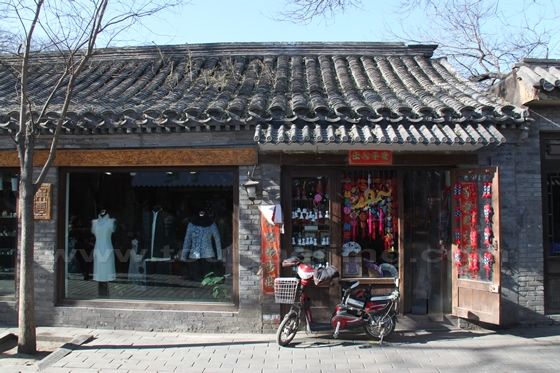
Yandai Xiejie ( or Yandai Byway or Old Pipe Street 烟袋斜街) is one of such old commercial streets that showcase Beijing’s past. Yandai Byway was originally formed in Yuan Dynasty (1271 – 1368) and further developed and reached its height in late Qing Dynasty (1644-1911). Yandai, literally “Smoking Pipes”, was once lined up with many shops selling smoking pipes, hence the name of Yandai.
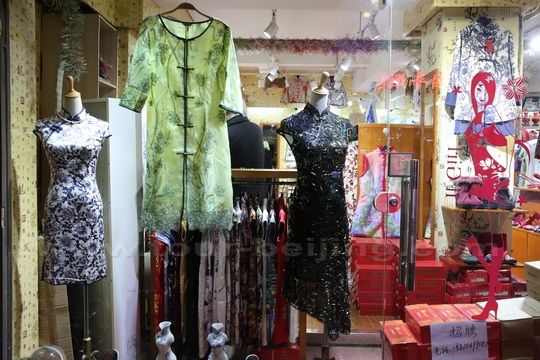
Today the general outline of the byway is still intact with many buildings sticking to their originality – shop front residence. Beside keeping the tradition of selling smoking pipes, antiques and jade, the lean street also sells silk, tea, Beijing snacks,etc. There are trendy bars and small eateries on the street.
Now almost every Beijing first-time visitor wants to be lost in the maze of Nanluoguxiang hutong teemed with side lanes. People want to be lost in the past, in the tradition, in the passing passengers, in a fad and in the future. Time is flying here and getting older.
The 786-meter long south-north Nanluoguxiang Hutong is lined with numerous trendy bars, yummy restaurants, unique hostels, lively themed stores and itinerant vendors.
The market is composed of 24 comprehensive markets covering clothing, shoes, hats as well as food, antiques and paintings jewelry, cultural and creative products. The most well-known markets include Dahongmen Clothing City (大红门服装城) and Dahongmen Shoes City (大红门鞋城).
The market has a business area of 11000 square meters with 20 business halls and 1550 booths.
The market can almost meet your need for some cheap accessories. It is better to buy large quantities, let' s say 10 pieces and it is easy to bargain in bulk-buy. The market sells everything such as hairstyles, electronics, souvenirs, toys, Jewels, door keys, bags, tissues, clothes, cuddly toys, cosmetics, plants, shoes, phone accessories, office supplies, bookshops, school supplies and many more!!
Brief introduction: This is a huge wholesale market group which is composed of seven markets. Beijing Zoo Market is mainly composed of 7 sub-markets: 1) 金开利德 (Jinkaili) 2) 天乐宫 (Tianlegong) 3) 天皓城 (Tianhaocheng) 4) 东鼎 (Dongding) 5) 聚龙 (Julong) 6) 世纪天乐 (Shijitianle) 7) 众合 (Hezhong).
And the most popular ones are Julong, Tianlegong and Shiji Tianle.Buy them here for half-price but be geared up for bargaining hard or buy in volume.
Everything is so cheap and so plentiful here!! Anywhere from 10-50 RMB for shirts, tops, jeans, pants, skirts, everything. Jewelry for about 10-15RMB. In some places they can be more expensive, but about 90% are the cheap prices listed above.
Weekday mornings are the best time to come and be prepared to spend a few hours walking around. There are also various places to eat in the area: KFC and McDonalds, Yonghe Soy Milk, Pizza Hut, Yoshinoya, Dairy Queen, A&W, Mexican Restaurant …
If you don’t want to go the do-it-yourself route and prefer the hassle-free escorted tours, here are some options for Beijing guided tours:
Chinese version of the travel guide:
Any questions, just drop a line.
Share a question or note for this guide. Comments are reviewed before publishing.
Hand-picked routes matched from this article's destination clues, tags, and categories.
Use these attraction notes to connect nearby sights with tours, destination guides, and planning articles.
Continue planning with practical Beijing guides selected from similar places, themes, and travel questions.
Subscribe to receive Beijing travel ideas and tour updates.