
Call a local advisor
+86 186 1196 4400Email our team
[email protected]Tour Beijing Journal
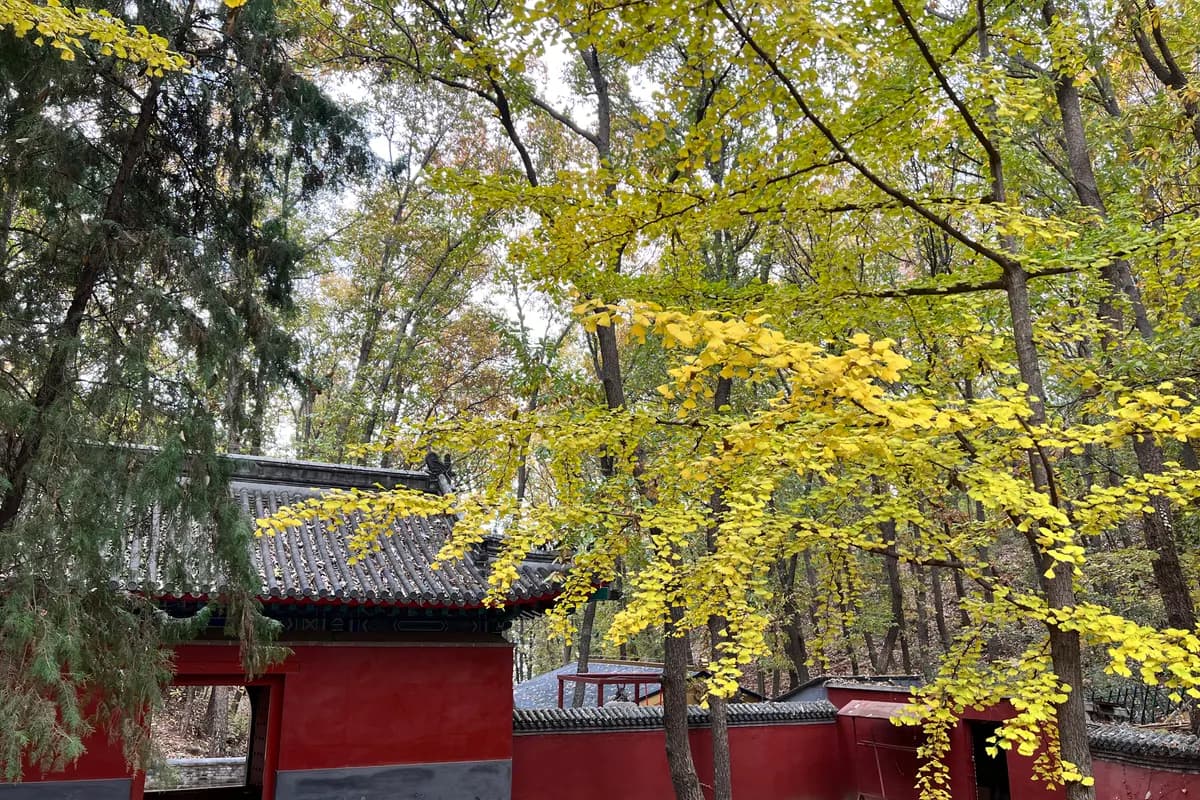
Yunju Temple is not only famous for its storage of a large number of stone scriptures, but also well known for the priceless Buddha’s relics. Buddha’s relics
Yunju Temple is not only famous for its storage of a large number of stone scriptures, but also well known for the priceless Buddha’s relics. Buddha’s relics refer to the remains from the body of Sakyamuni, the founder of buddhism.
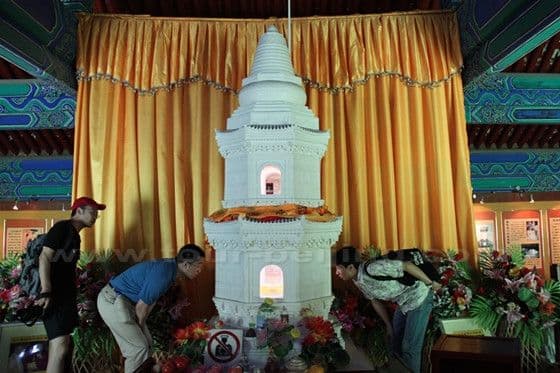
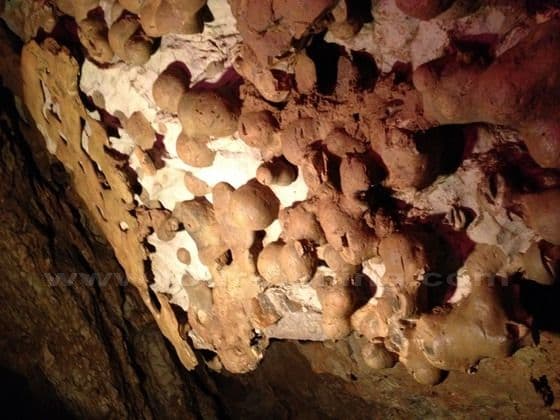
The legend has it that Sakyamuni left one skull relic, two shoulder blades relics, four teeth relics and 84-thousand corn-shaped relics. The grains like red Buddha body relics in Yunju Temple was discovered in the Leiyin Cave in 1981. The Buddha’s relics at Yunjun Temple is one of the “three precious” in China.
The other two kinds of precious buddha’s relics are Buddha figure relics in the Famen Temple in Xian and Buddha teeth relics in Beijing’s Lingguang Temple. Now the two red Buddha body relics unearthed in Yunju Temple area are kept in CapitalMuseum.
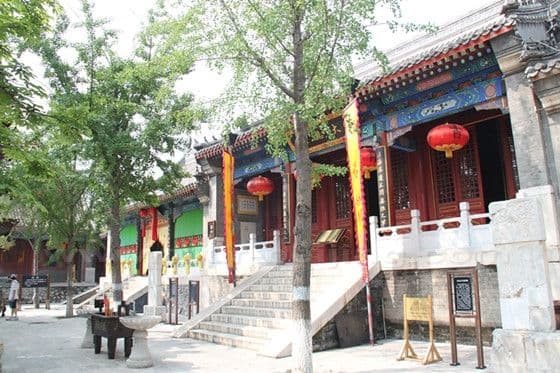
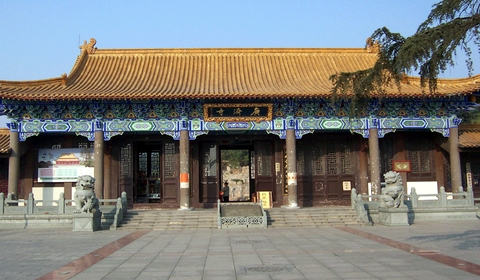
In 1999, Buddha relics were returned to Yunju Temple on exhibition for only 10 days. Yunju Temple has 5 halls and 6 yards with Dabeidian Hall (Great Sadness Hall) in the northen end up to the hill. Yunju Temple is located on the hill facing to the east flanked by two pagodas on the north and south.
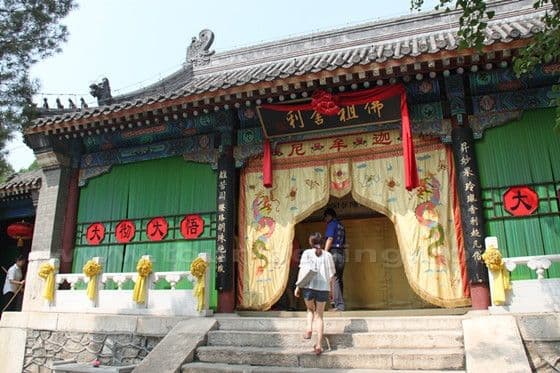
The side hall of Dabeidian Hall is now turned into the hall of Buddha’s Relic Hall. But on exhibition are not the red Buddha body relics discovered in the Leiyin Cave of Yunju Temple. The Buddha’s relics on show are the white bone relics unearthed under the Tiankai Pagoda in Fangshan Districtof Beijing. How to get there
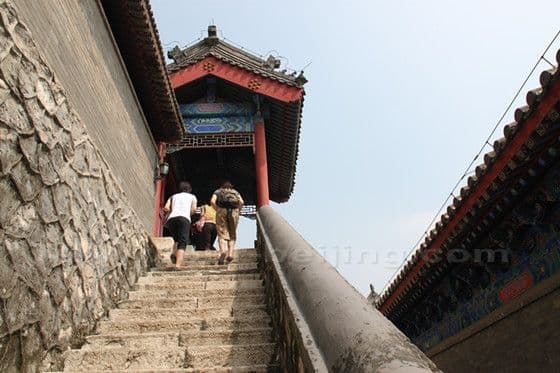
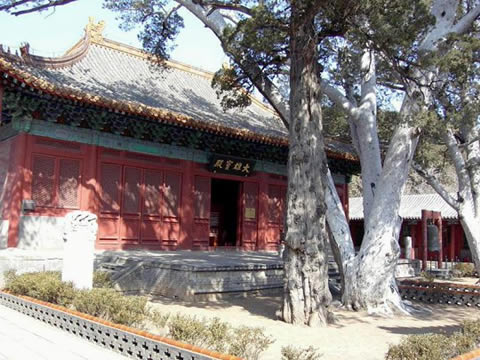
Entrance ticket: CNY40 By Bus: Take the bus 836 from Tianqiao (天桥) in south of Beijing Tel: 61389612 We are walking up to the last hall Yunju Temple – Dabeidian.
Hand-picked routes matched from this post's destination clues, tags, and categories.
Use these attraction notes to connect nearby sights with tours, destination guides, and planning articles.
Subscribe to receive Beijing travel ideas and tour updates.



Leave a Reply
Share a question or note for this guide. Comments are reviewed before publishing.