
Call a local advisor
+86 186 1196 4400Email our team
[email protected]Tour Beijing Journal
Beijing has five royal altars left from Ming and Qing Dynasties (1368 -...
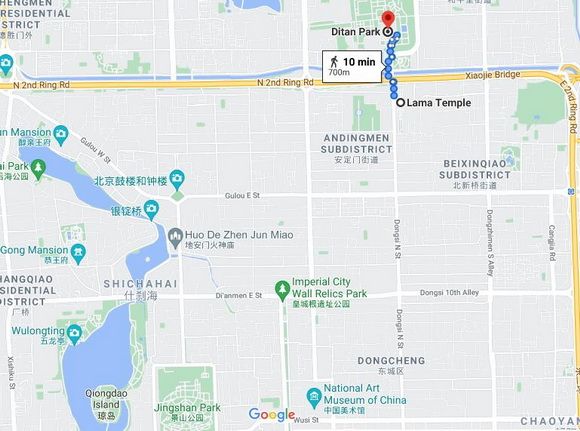
Ditan, or the Altar for the Earth and the Temple of Earth, was built in 1530 during Ming Dynasty. It was the place where the emperors in Ming and Qing Dynasties who would attend the annual summer solstice ritual of sacrifices to the earth. In 1925, the Temple of Earth was built into a park open to the public. Later the park was destroyed and discarded due to the successive wars. The park was repened to the public in April, in 1957.
Ditan Park is open 24 hours a day all year around with a small entrance of 2 Yuan. But the entrance to the inner site of the Altar costs you another 5 Yuan. Each year during the Chinese Spring Festival ( Chinese new year), a grand temple fair will be held inside Ditan Park with added up entrance fee of 10 Yuan.
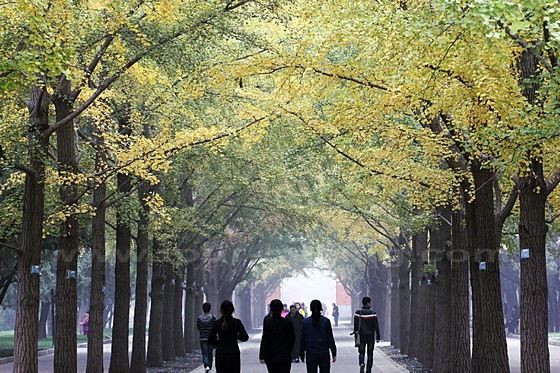
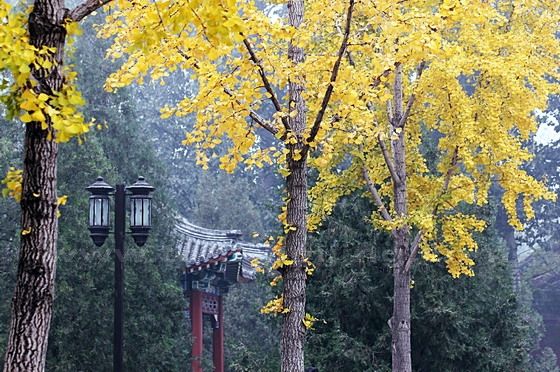
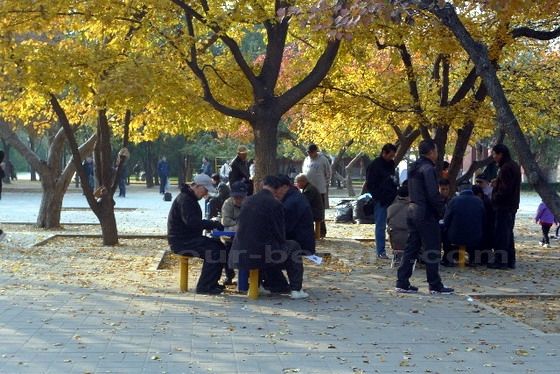
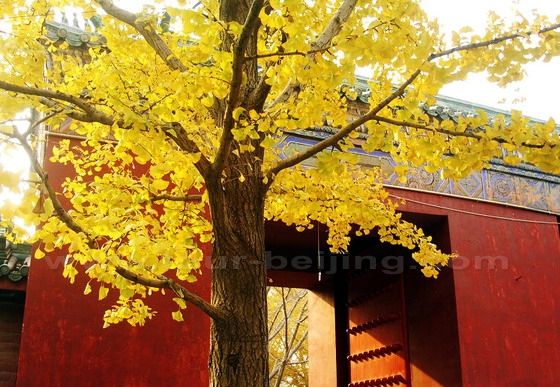
A morning stroll around Ditan Park is very much rewarding, seeing people ( most of them are seniors ) doing all kinds of morning exercises, dancing and singing. Ditan Park is also one of the best places to view autumn leaves in the downtown Beijing when the Ginkgo trees are all yellow, blanketing the major roads in the park.
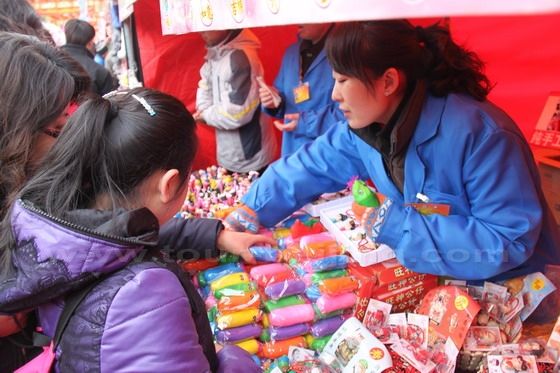
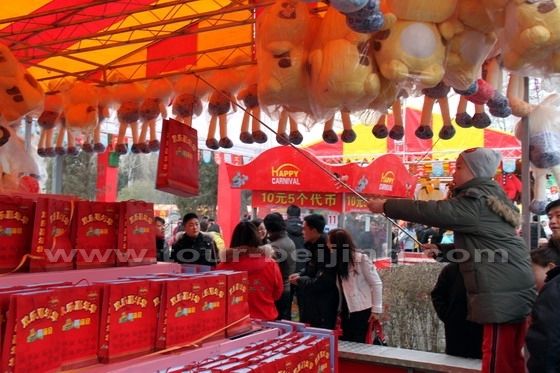
Another important occasion to come to Ditan Park is Chinese Spring Festival when a large temple fair will be held here annually, attracting huge crowds of visitors. There will a plenty of vendors selling all kinds of stuff, food, entertainment, and games.
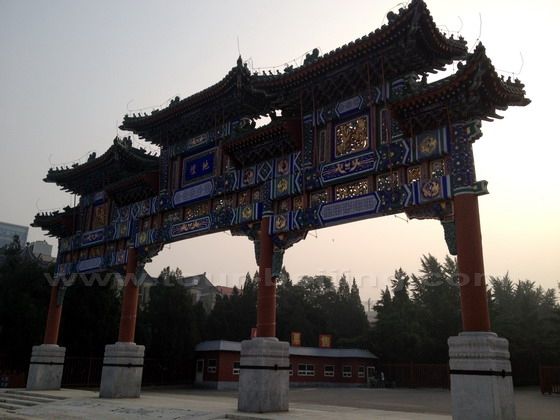
Pailou ( Paifang ) is a traditional Chinese architectural form like an archway.
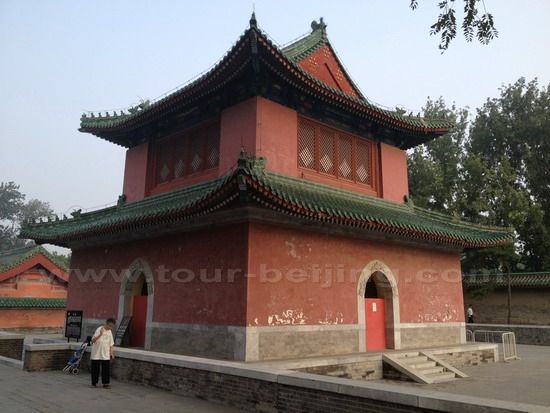
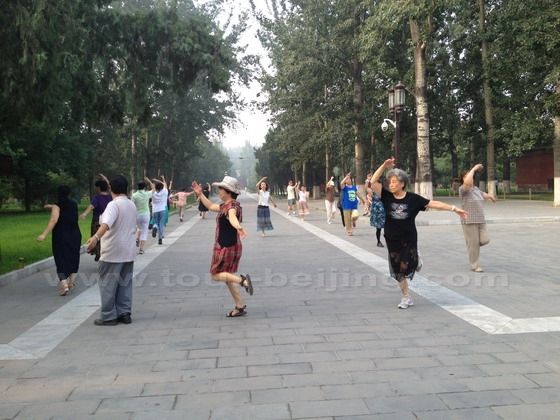
Each morning many local residents, especially senior people come to Ditan Park or the Temple of Earth for doing all kinds of exercises. T
his group of people are Tibetan dancing fans, dancing in front of the open space by the west gate to the Palace for Fasting.
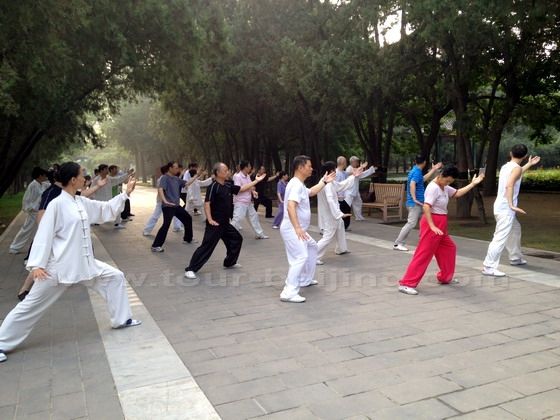
Move on to the east from the Tibetan dancing group, I see another group of people learning Tai Chi.
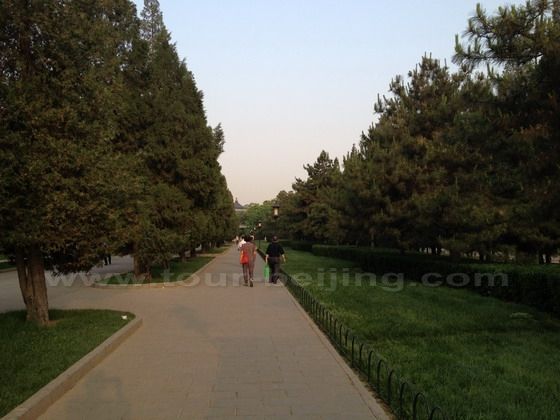
Soon, I reach the wide paved road running from north to south leading to the North Gate. Many people are doing morning exercises on the road covered with high Ginkgo trees.
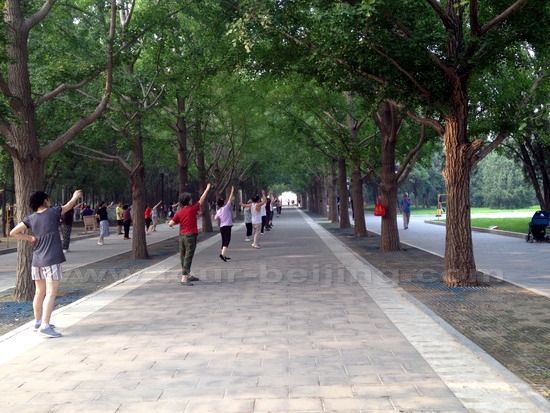
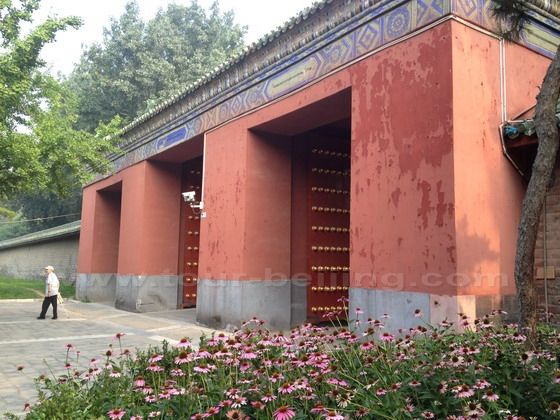
Let’s go on to make a loop tour of the park and move on to the east side of the north-south main road. Here you may find even more people doing Tai Chi, doing plentiful morning exercises.
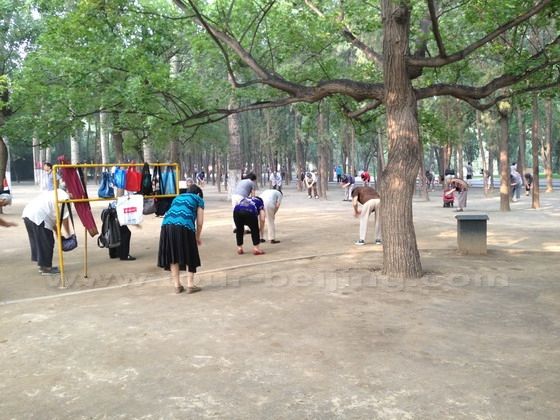
A veteran of martial art is practicing in order to attract new students for commercial purposes.

Relying on apparatus to do exercises. Some just go to the extreme.
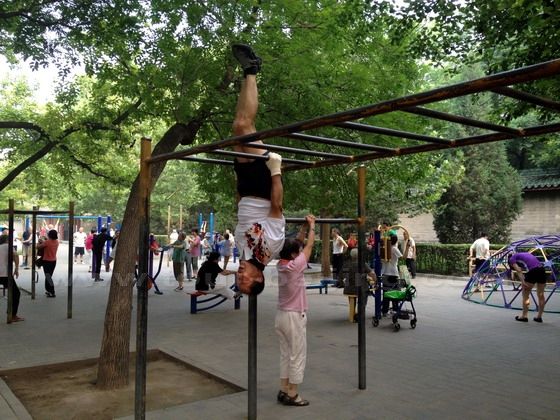
This is the Chinese Traditional Medicine Health Cultivation Garden telling people how to keep fit and self-cultivation. The garden is located at the East gate to Ditan Park.
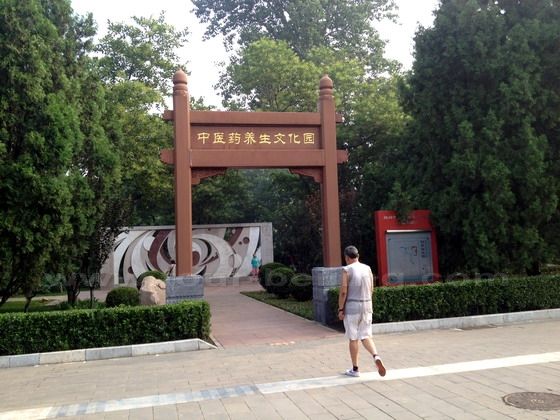
It is a beautiful garden immersing people into a mesmerizing environment while learning the basics of Chinese traditional medicine.
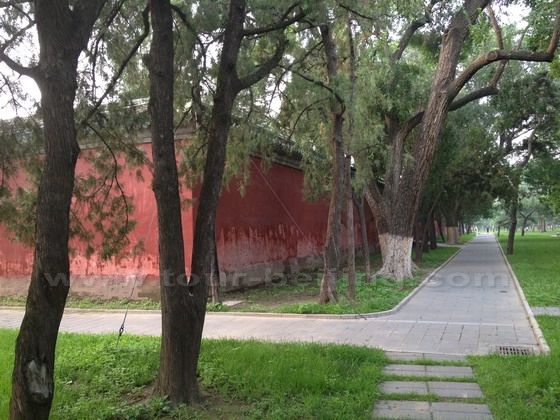
Well. let’s walk to the middle of the park – the Altar in a square pond (Fangzetan) circled by red-colored wall with yellow glazed tiles.
Fangze Tan ( The square and moated terrace), popularly known as “the Altar” was the place where the emperors in Ming and Qing Dynasty offered sacrifices to the God of the Earth. It is locked in the early morning, so I have to peep through the wooden gate and take a picture of the Altar from a distance.

Old pine trees and green lawn by the Altar. I happen to take a candid photo of a cute baby escorted by his grandpa.

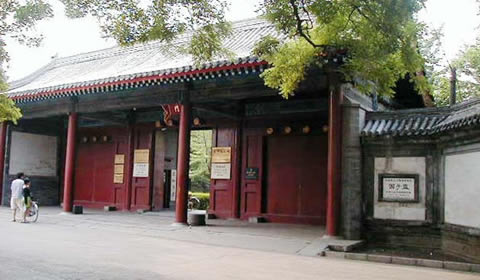
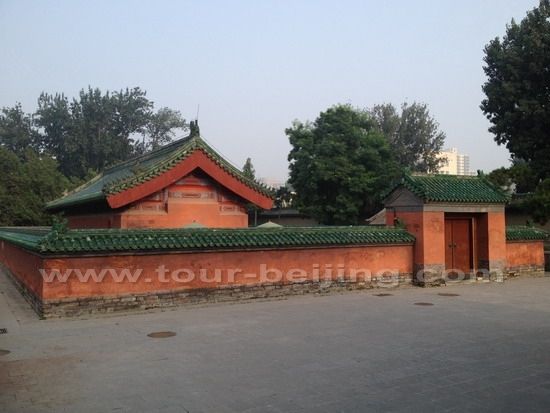
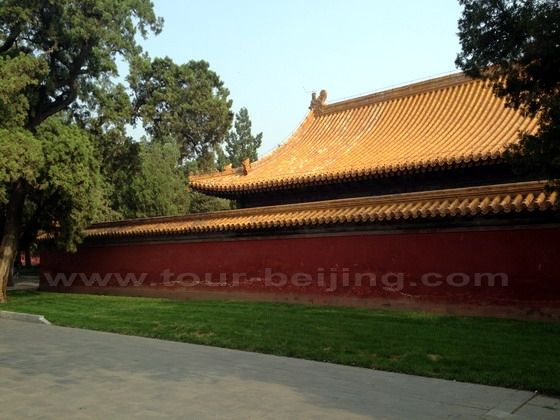
Now I come to the southern gate, the most popular gate of the four gates in the park. In front of the gate is the House for worshipping the Earth God.
The house is also surrounded by the red-colored wall with yellow glazed tiles.
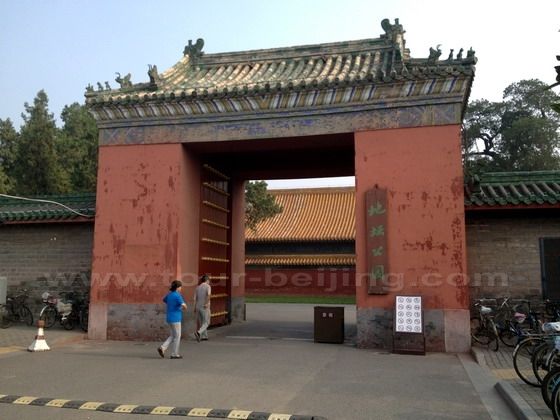
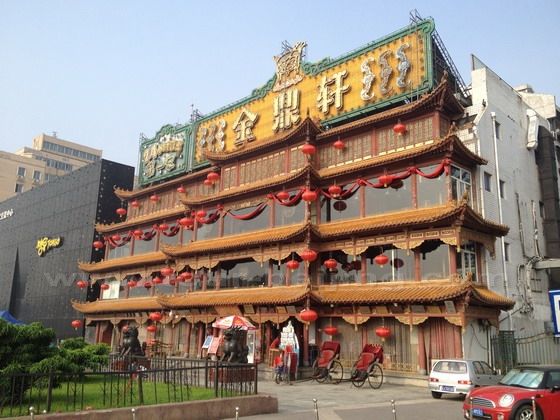
Just outside the southern gate, you can find one of the popular Cantonese restaurants in Beijing known as Jindingxuan Restaurant. You may have a bite of the Cantonese food.
Beijing is at its best in autumn with blue sky, comfy sunshine and colourful leaves. The best time to see the foliage in Beijing spans about one month ranging from October 15 to November 15.
There are many places to view fall foliage in Beijing including the mountainous areas (all sections of the Great Wall) and downtown parks. Among them, Fragrant Hill is unanimously considered as the most famous place to see autumn leaves in Beijing.
If you are scared of the huge crowds of visitors at Fragrant Hill or don’t want to go to the mountains or the Great Wall outside Beijing, and would rather have a leisure time in viewing the autumn leaves in downtown Beijing, Ditan Park ( The Temple of Earth ) is definitely your best option.
Autumn Ditan 1
As a foreign visitor, if you are in Beijing during the Spring Festival (Chinese New Year), visiting a temple fair is definitely a good choice to experience the traditional Beijing custom and Chinese culture.
Like elsewhere in the world, temple fairs (Miao Hui)originated and developed as groups of vendors did business near temples when many pilgrims came to pay tribute to the gods during traditional festivals.
Now there are over 10 major temple fairs held each year in Beijing during Chinese New Year. Most of them are in the parks, wide streets and other non-temple areas.
Though some commercialization is greatly reinventing the essence of the Beijing’s temple fairs, and old Beijing culture is becoming a smaller part of the fairs, going to a temple fair is still one of the opportunities to know something about our Spring Festival traditions: eating, shopping and entertaining.
Eating and drinking at Ditan Temple fair. Shopping at Ditan Temple Fair
If you don’t want to go the do-it-yourself route and prefer the hassle-free escorted tours, here are some options for guided tours to Beijing:
Share a question or note for this guide. Comments are reviewed before publishing.
Hand-picked routes matched from this article's destination clues, tags, and categories.
Use these attraction notes to connect nearby sights with tours, destination guides, and planning articles.
Continue planning with practical Beijing guides selected from similar places, themes, and travel questions.
Subscribe to receive Beijing travel ideas and tour updates.