
Call a local advisor
+86 186 1196 4400Email our team
[email protected]Tour Beijing Journal
Luqu is a county under the administration of Gannan Tibetan Autonomous...
Luqu is a county under the administration of Gannan Tibetan Autonomous Prefecture of Gansu Province. It is located in the southwest of Gansu and on the edge of the east of Tibetan-Qinghai Plateau at the cross borders among Gansu, Qinghai and Sichuan. It has a population of over 30,000 with 84% being Tibetans.
A large part of Luqu county is at the sea level between 2900 and 4287 with the yearly average temperature at 2.3 degree and the sunshine time of 2222 - 2351 hours.
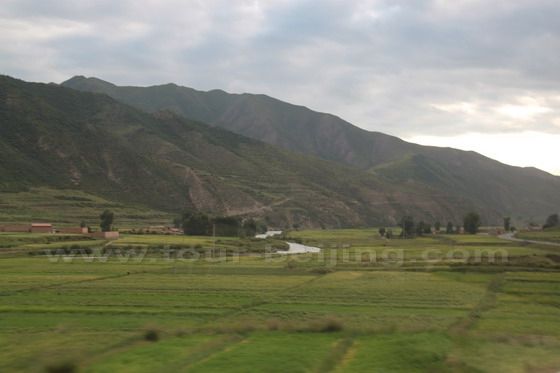
Luqu is a town on the fringe of Tibetan-Qinghai Plaetau with green alpine meadows in the west and the Tao River in the east. Two third of Luqu county is suitable for grazing livestock, like sheep and yak. Along the Tao River area, a patch of land is developed for agriculture.
Now we enter the border of Luqu from Hezuo along National Highway No.213.

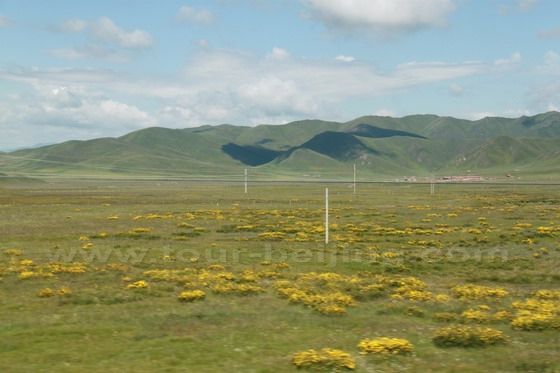
We are amazed by the alpine meadows along the National Highway No.213 within the border of Luqu.

Alpine meadows and grassland wildflowers
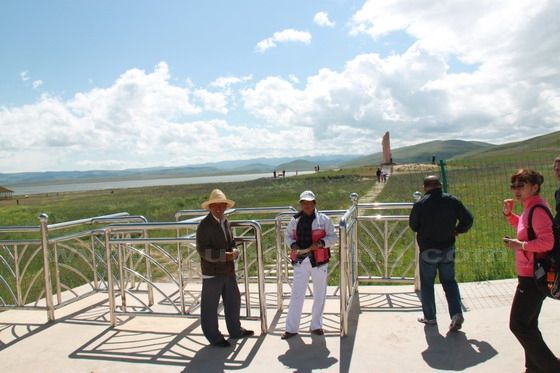
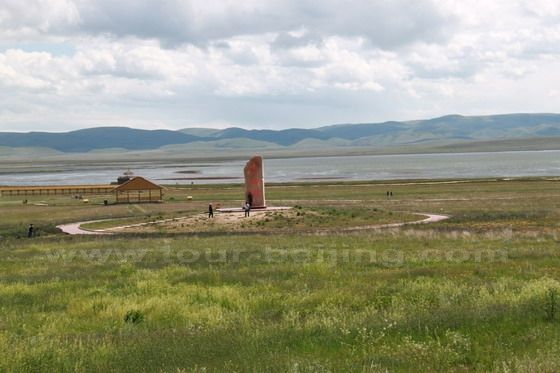
Gahai Lake is the largest fresh water lake in Gannan Tibetan Autonomous Prefecture, an important wetland in the east of Tibetan-Qinghai Plateau. Gahai Lake is a part of the National Gahai Zecha Natural Reserve. Gahai Lake is under the administration of Luqu County, which is situated 90km north of Langmmsi and 260km south of Lanzhou.
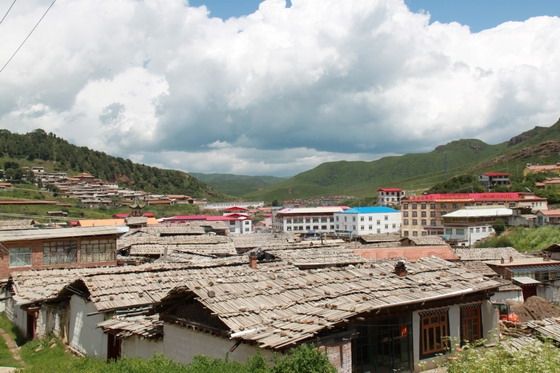
With a population of over 3,000, the town is now mainly inhabited by Tibetans, Han and hui. The town of Langmusi is only composed of one main street with a streem known as “White Dragon River” passing by the street. The area of north of the streem belongs to Gansu Province ( Under the administration of Luqu ) while the south to Sichuan.
Share a question or note for this guide. Comments are reviewed before publishing.
Hand-picked routes matched from this article's destination clues, tags, and categories.
Use these attraction notes to connect nearby sights with tours, destination guides, and planning articles.
Continue planning with practical Beijing guides selected from similar places, themes, and travel questions.
Subscribe to receive Beijing travel ideas and tour updates.