
Call a local advisor
+86 186 1196 4400Email our team
[email protected]Tour Beijing Journal
Bamboo Temple is an Invaluable Part of China’s Glorious Past Templeshave...
Templeshave been the symbols of history acrossSoutheast Asia. With these religious places holding importance among the people of the community, history has been preserved along with them through centuries. TheBambooTempleinChinais one of the most important temples inYunnanProvince. It has a history of over 1000 years and it boasts of some of the most fabulous artwork from the eras gone by. If one wishes to learn about the culture, this is a great place to start.
Though today the economic development has paved way for modern life in lieu of the traditional one, yet Chinese people have ensured that their traditions remain preserved. As a result, many temples which were built centuries ago have become a part of the national heritage. These temples today stand with the same glory as they stood when they were built.
In reference to the construction of the original temple, legend says that this area did not have a lot of vegetation. A long time back, two warrior princes were hunting a rhinoceros which disappeared in front of their eyes. When they looked for it, they came across monks who also vanished after leaving their sticks stuck in the ground. Soon that place was filled with bamboo plants. The brothers were mystified by the whole act and built the temple in the honor of the monks.
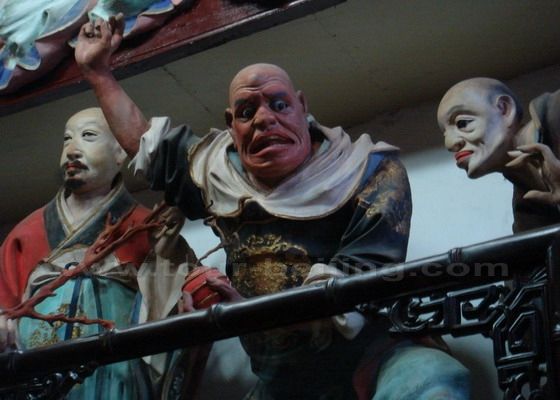
Architects from across the world come to visit theBambooTemple. The temple houses clay sculptures of 500 Buddhist Arahats. These were built between 1875 and 1909 during the reign of Qing emperor Guangxu. Each of these sculptures is 1 meter tall and the distinctness of features of each of these Arahats is breathtaking. Every single one of them is in a different pose adding a lot of versatility.
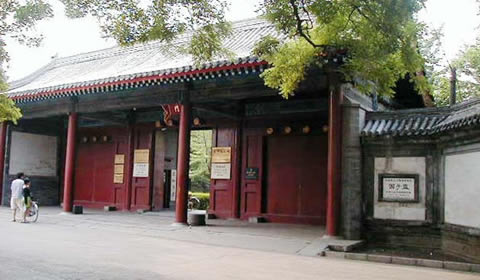
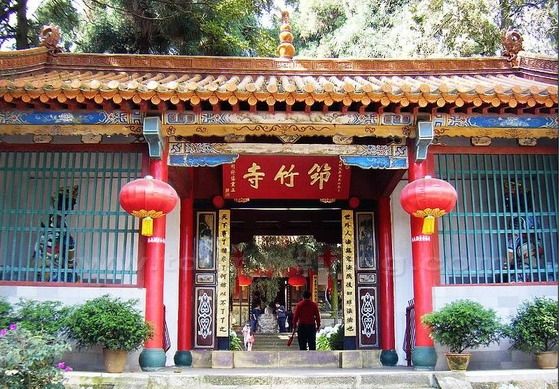
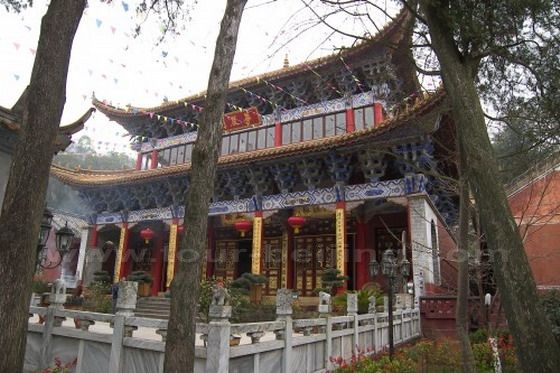
The Bamboo Temple is mainly composed of the Temple Gate, the Mahavira Hall and the Huayan Pavilion.
The Bamboo Temple Gate
The Mahavira Hall (Da Xiong Bao Dian) houses the 500 Human-sized Arahats

Three Arahats of the 500 human-sized arahats inside the Mahavira Hall
Huayan Pavilion, a Qing Dynasty Style architecture
Share a question or note for this guide. Comments are reviewed before publishing.
Hand-picked routes matched from this article's destination clues, tags, and categories.
Use these attraction notes to connect nearby sights with tours, destination guides, and planning articles.
Continue planning with practical Beijing guides selected from similar places, themes, and travel questions.
Subscribe to receive Beijing travel ideas and tour updates.