
Call a local advisor
+86 186 1196 4400Email our team
[email protected]Tour Beijing Journal
Beijing top wetlands for bird watching and sightseeing Often compared to...
Often compared to the "Kidney of the Earth", wetlands are one of the three equally important ecological systems on earth with the other two being forests and the sea. One of the functions of wetlands are to provide a habitat for birds. Birds use wetlands for breeding, nesting, resting, shelter, and social interactions.
If you visit Beijing as a bird watcher or birder, or just want to rewind yourself in a beautiful natural environment, you may come to visit one of the beautiful wetlands in Beijing.
It is recorded that there are about 350 kinds of birds in Beijing with 80% of the them being migrant birds. Usually spring (Feb -Mar) and autumn ( Oct -Nov) are the best times to watch the birds in Beijing.
To watch these birds, you need to go to the parks, lakes, reservoirs and wetlands. We’ve summed up a list of Top 10 Wetlands in Beijing where you can have better opportunities for your Beijing bird watching or sightseeing.
Yeyahu Lake is located on the northwest of Yanqing County, about 100km northwest of Beijing city center. Its protected area covers 6,873 hectares with wetlands area of 3,939 hectares, one of the favorite wetland birds nature reserves in Beijing.
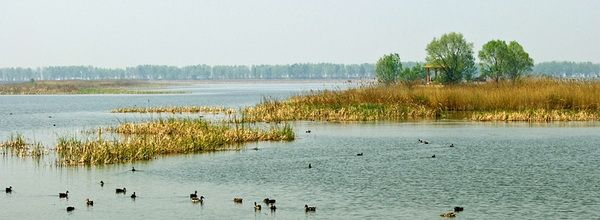
There are a total 280 kinds of wetland birds – passing migrant birds 56.6%, summer migrant birds 21.1%, resident birds 14.7% and winter migrant birds 7.6%.
Sahe Reservoir Wetland is officially known as Wenyu River and Shahe Reservoir Wetland, about 40 km to the northwest of Beijing city center, one of the nearest wetlands in Beijing.
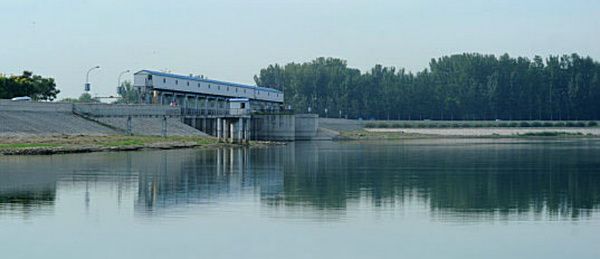
The reservoir is nicknamed by bird watchers as "Zuihu", which literally means ” Drunk Lake”, a beautiful lake that makes people drunk. The Drunk Lake is a haven for bird watchers and leisure travel.
It is recorded that there are 189 kinds of birds in the Sahe reservoir area. The main birds include Common Pheasant, Whooper Swan and many more.
Cuihu National Urban Wetland Park is located on the north of Shangzhuang Reservoir in Shangzhaung Town, Haidian District, Beijing. The wetland park occupies an area of 157 hectares, 1,9 km long from east to west and 1.2 km wide from north to south, with a surface area of 90 hectares.
The wetland park consists of enclosed protected area, transit area and experimental area open to the public.
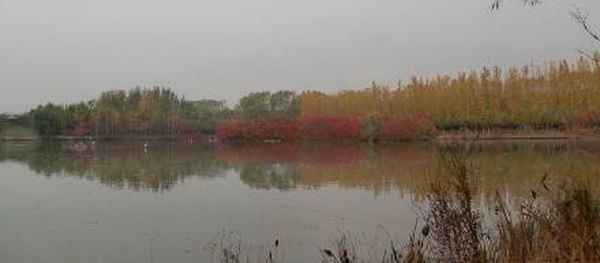
There are 178 kinds of birds in the wetland park including Great bustard, golden eagle, Larus relictus, red-crowned cranes and black-crowned cranes.
There have been built lotus pond, reed pond, waterfowl reserve and several other scenic spots for visitors to enjoy in Cuihu Wetland Park. In addition to fishing here for leisure, you can also go to Naran Garden to feel the charm of the first poet of the Qing Dynasty.
Daxing Nanhaizi Park is one of the four largest wild suburban parks in Beijing. It is located on the northeast of Daxing District, about 15km south of Beijing city center. It is also known as the largest wetland park in Beijing.
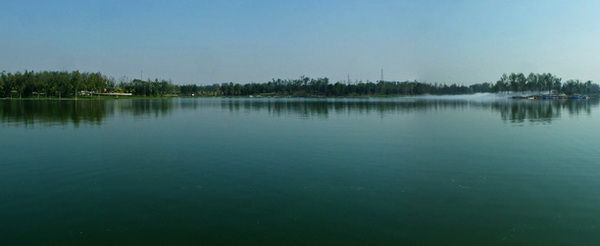
It is built on the former imperial Pere David’s Deer garden in Qing Dynasty. Beside the Pere David’s Deer Garden which has been restored and opened to the public, people have the opportunity to see birds here. It is recorded that there are 81 kinds of birds in the wetland park.
Hanshiqiao Wetland Nature Reserve ( also known as Health Bridge Wetland ) is located about 50 km to the northeast of Beijing city center.
The wetland is the only large reed marsh wetland on the plain area in Beijing with an area of 19,000 hectares including the core zone and experimental zone.
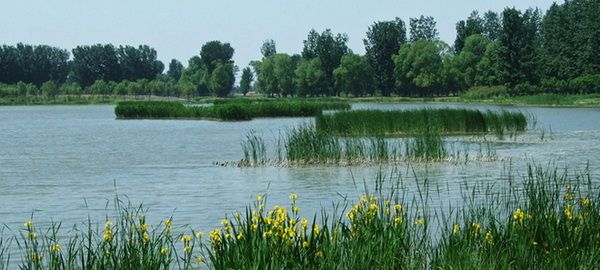
It is recorded that there are about 153 species of birds ever discovered in the reserve, a habitat and transit area for many endangered migrant birds.
Hanshiqiao ( or Health Bridge ) Wetland Reserve was established in April, 2005 aimed at effectively protecting the typical reed marsh wetland ecological system and wild animals and plants.
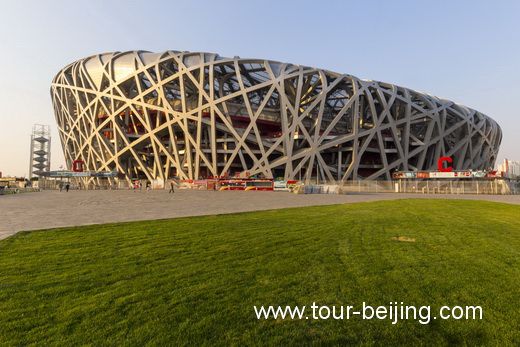
Beijing Olympic Green Park consists of lawns, forests, wetlands, lakes and Gravel banks, a large and complicated ecological system.
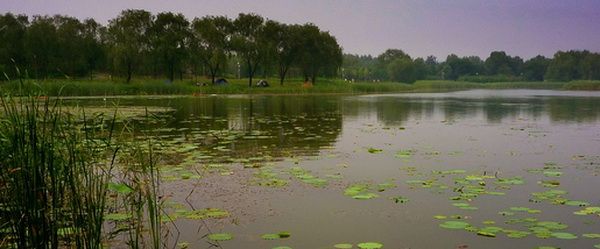
The wetland features a three-layered terrace with cascading water, forming a small beautiful waterfall. The wetland is teemed with reeds, bulrush, calamus and canna, making people feel as they were in a water town.
The quiet wetland with green trees and blooming flowers attract resident and migrant birds coming here for a rest and nesting. It is recorded that there are over 200 species of birds ever discovered on the wetland and the Olympic Park as a whole, becoming a best bird watching spot in the city of Beijing.
Changgou wetland is a newly built national-level wetland park. It is located in Changgou Town, Fangshan District, about 75km to the southwest of Beijing city center.
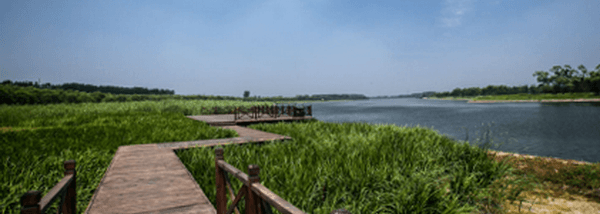
The wetland park has the planned area of 249 hectares with one marsh land, one lake, two belts and 10 sites. The most important part of the park is the wetland area, where a birding area is the highlight of the wetland park.
Liulimiao ( or Liuli Temple) Wetland Park is located in Liulimiao Town, Huairou District, Beijing. Liuli Temple Wetland Park is a vast area connecting the beautiful scenery along the Baihe and Liuli rivers.
This wetland park is rich with water resources, natural resources and beautiful landscape.
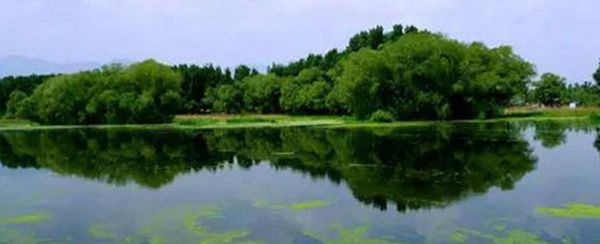
In addition, there are black storks and egrets, mandarin ducks and other wild birds under the national first-class protection. Liulimiao Wetland park is a paradise for the growth and reproduction of these wild birds.
Yanchi Jiuhe Wetland Park is located in Yanchi town, Mentougou District. Yanwing Jiuhe Wetland Park extends from Zhuwo Village in Yanwing Town to Xiamaling Village, 20 kilometers long and narrow, occupying a total of 356 hectares of land, the widest water up to 120 meters.
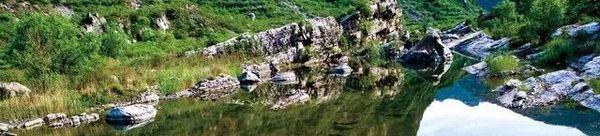
Yanchi Jiuhe Wetland Park mainly displays the functions of wetland water storage and flood regulation and science popularization and education. The vegetation mainly includes dry willow, reed, cattope and xerophytes.
Gubeikou was once a strategically important passage linking Inner Mongolia and Beijing. The passage is sandwiched by the two mountains which faces each other – Wohushan (Crouching Tiger Mountain ) and Panlongshan ( Coiled Dragon Mountain ).
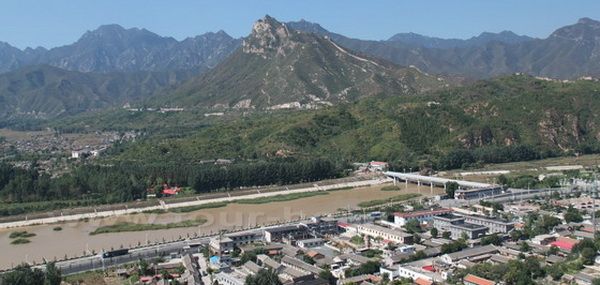
On the both of the mountains built with the Gubeikou Great Wall, which has two sections: namely Wohushan Great Wall and Panlongshan Great Wall.
Chaohe River passes through the passage of the two mountains from the north to the south. The Chaohe River area at Gubeikou is also a paradise for bird watchers in Beijing.
If you don’t want to go the do-it-yourself route and prefer the hassle-free escorted tours, here are some options for Beijing guided tours:
Share a question or note for this guide. Comments are reviewed before publishing.
Hand-picked routes matched from this article's destination clues, tags, and categories.
Use these attraction notes to connect nearby sights with tours, destination guides, and planning articles.
Continue planning with practical Beijing guides selected from similar places, themes, and travel questions.
Subscribe to receive Beijing travel ideas and tour updates.