
Call a local advisor
+86 186 1196 4400Email our team
[email protected]Tour Beijing Journal
Plan your Ningxia Tour? Ningxia is a provincial region officially known as...
With Yinchuan as its capital city, Ningxia is situated on the northwest Loess highland with the Yellow River running though its dry land. Ningxia's landscape features desert, loess, and mountainous areas. Once home to the Western Xia Dynasty, Ningxia still remains a mysterious place to many visitors.
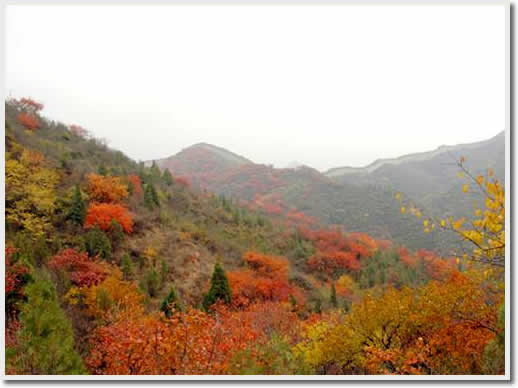
Autumn, or October in particular is the best season to see its mesmerizing landscape blanketed by the colorful autumn leaves. If you are looking for the best places to see the fall foliage in Ningxia, we are going to reveal the top areas for the leaf peeping in Ningxia.
Actually Shui Dong Gou Scenic Area is an archaeological site with an entrance fee RMB 130 ( a through ticket ). The area is divided into two parts - a museum that houses the Palaeolithic-era relics that was first discovered in 1923; the second part is to visit the Ming-era Great Wall. To get to the Wall, you may need to walk 8 km, or have a camel ride, or take a boat or golf cart for an easy travel.
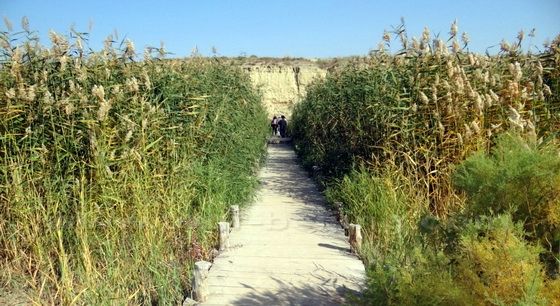
The site has a 3-km long valley of reeds that dance with the wind. Walking along the wooden board pathways flanked by the yellow dancing reeds, people would feel relaxed and soul-recharging. The landscape features singing birds, yellow reeds, green water, the ancient Great Wall, a wonderful autumn view!
Daily five buses going from Yinchuan Bus Station to Shui Dong Gou starting at 8:20am. If you miss the bus returning to Yinchuan,you may flag down any passing buses going to Yinchuan.
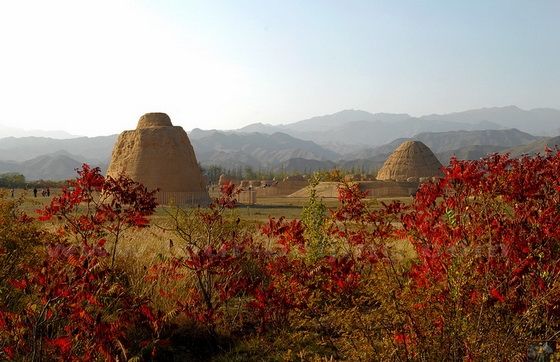
Compared to the wooden and stone structures of the Ming and Qing imperial tombs, the Western Xia Tombs were made from earth and brick. Effected by the Buddhist architecture, the style of these tombs are the combine of Han culture, Buddhist culture and Dangxiang culture.
The main tombs have four corner towers, and an array of watchtowers, pavilions housing stone tablets, a sacrificial hall and a coffin platform, although most of these buildings are well beyond recognizable. Unfortunately, during the war against the ancient Mongolian army from 1220 to 1227, the imperiall tombs were damaged. What presents today is the piles of relics.
Walking along the wide path leading to the tombs area in autumn with the sun setting, you feel the mysterious history and the mesmerizing view.
Ticket Price: RMB60 How to get there: there are sightseeing buses in North Gate Bus Station, South Gate Bus Station and Nanguan Mosque to Western Xia Tomb.
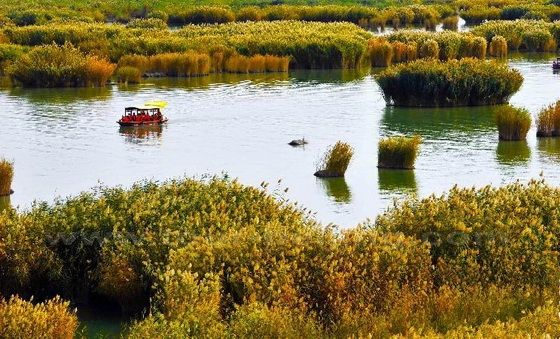
The clumpy reed marshes in Shahu Lake are home to tens of thousands of birds, such as white crane, black crane, swan and so on. Every spring, colorful bird eggs dote in the marshes, which is a real natural marvelous spectacle.
The park itself is a 22sq km collection of sand dunes, divided into zones offering all sorts of sand based activities. Shahu Lake offers such tourist services as sightseeing, cruise in the maze of reed marshes, boating, angling, and visits to an aquarium, a water-bound village, a Hui folklore park, a Western Xia villa and Mongolian yurts.
When autumn comes, the reeds turn yellow, dancing with the wind. People cruise on the lake with the autumn colors, a soul-recharging experience.
Ticket Price: RMB60 Opening Time: 08:00-18:00 Address: Xidatan, Pingluo County, Yinchuan
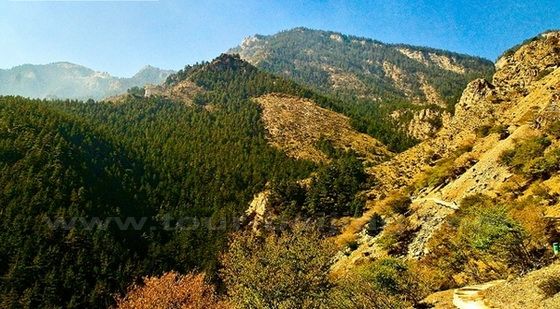
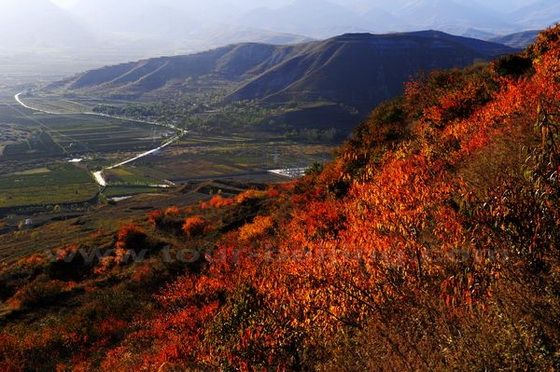
Surrounded by the massive mountains and covered by dense forests, the park features magnificent natural landscape - boundless forests of spruces, Chinese pine trees and needle junipers; precious bushes of wild cherries, lilac and Mongolian almond trees. When autumn comes, the park is a palette of colors.
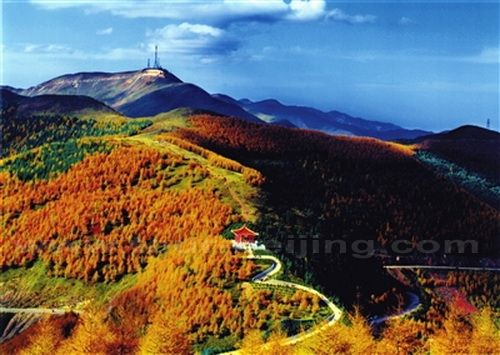
Mount Liupan stretches almost in an east-west direction with its mountain range at the altitude of over 2500 m. With ragged mountain paths (switchback roads), people have to experience 6 circling roads to reach the summit, hence the name of "Liupan". When autumn comes, Mount Liupan is a wonderland of autumn leaves.
The long and massive banks of Yellow River are flanked with golden paddy rices, a stunning view to please your eyes. This is the fruitful result of the great effort made by the local government to "Construct Yellow River Belt and Create the Golden Yellow River Banks".
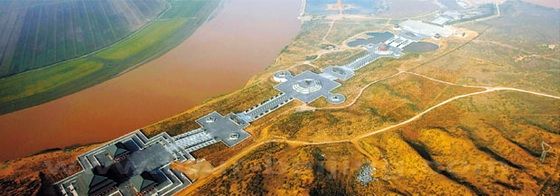
Today there still exists an ancient city, resembling a shape of Pipa ( a four-stringed Chinese musical instrument), hence the name of Pipa City". Overlooking the ancient city from its northern mountain summit, the city looks like a Pipa quietly lying in the mountains.
Share a question or note for this guide. Comments are reviewed before publishing.
Hand-picked routes matched from this article's destination clues, tags, and categories.
Use these attraction notes to connect nearby sights with tours, destination guides, and planning articles.
Continue planning with practical Beijing guides selected from similar places, themes, and travel questions.
Subscribe to receive Beijing travel ideas and tour updates.