

Call a local advisor
+86 186 1196 4400Email our team
[email protected]Tour Beijing Journal
Gubei Water Town (古北水镇)in Beijing is officially known as Beijing Miyun Gubei Water Town (Simatai) International Tourism Resort. It is not a historical water
**Gubei Water Town (古北水镇)**in Beijing is officially known as Beijing Miyun Gubei Water Town (Simatai) International Tourism Resort. It is not a historical water town, it is a replica of Wuzhen Water Town in the Southern China.
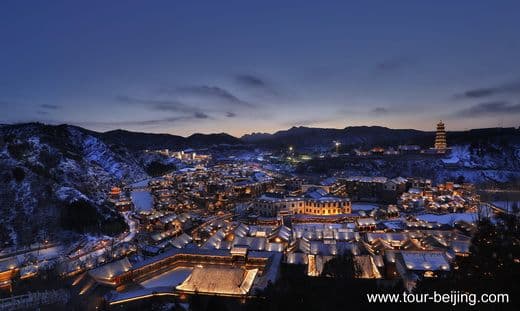
The water town is built on the former 5 sub natural villages of Simatai Village at the foot of Simatai Great Wall. The displaced Simatai villagers have moved to the new apartments and townhouses in Simatai New Village, 1.5km west of the old Simatai Village.
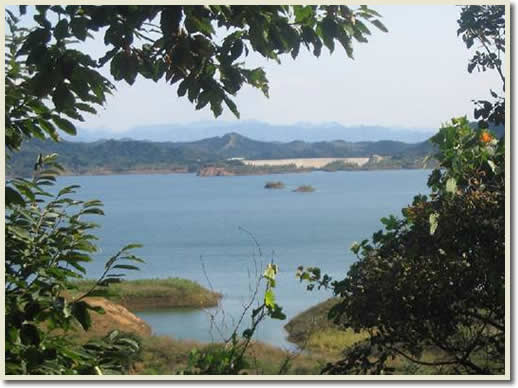
This water town is situated in Gubei Township of Miyun County northeast of Beijing, hence the name of Gubei Water Town. It has a charming location with a massive backdrop of the world famous Simatai Great Wall and the romantic Yuanyang Lake ( Mandarin Duck ) below the wall.
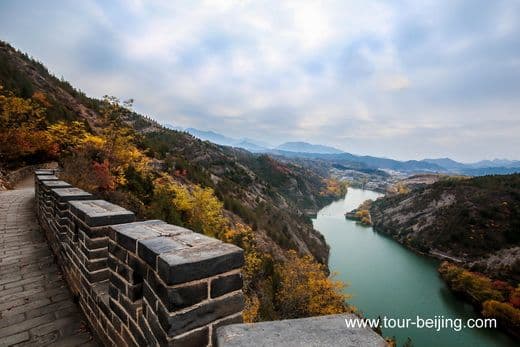
The Simatai village was developed from Simatai Castle built during the reign of Emperor Wanli ( 1573 -1620 ) in Ming Dynasty ( 1368 – 1644 ). So the Gubei Water Town resort is a rare combo of Great Wall, mountains, lakes and ancient Villages.
The Gubei Water Town holiday resort takes an area of 9 square km and the scenic area of the water town resort occupies an area of 0.43 million square meters that is composed of Ming, Qing and Republic era style courtyards, two 5 star hotels, 6 boutique hotels, some B&B, restaurants and shops, as well as over 10 cultural exhibition areas with good facilities.
The sightseeing and leisure travel area of Gubei Water Town basically consists of 6 areas including Old Barracks Area, Minguo Street Area (Republic of China Street ), Water Street Area, Wonglong Fort Folk Cultural Area, Tanghe Ancient Castle Area and Food & Accommodation Area.
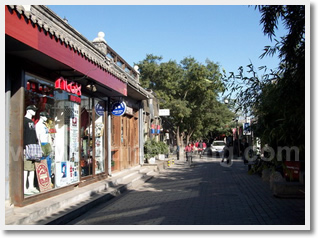
When you cross the stone bridge spanning over the Tanghe River, you will come cross an east - west street known as Minguo Street ( literally meaning "Republic of China Street") which is designed to duplicate a street in the time of Republic of China ( 1912–49).
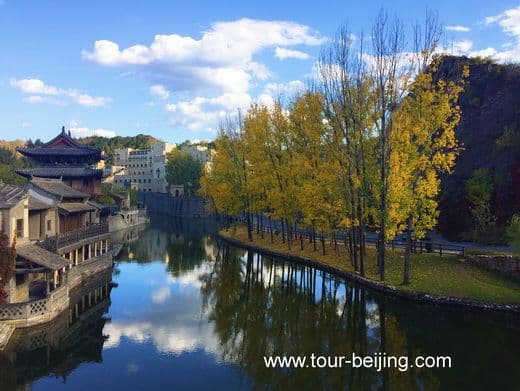
It seems to me walking on the Minguo Street reminds me of Qianmen Street south of Tiananmen Square. Minguo Street is an open street free of charge outside the paid area. You will see banks, posts, markets, drug stores, clinics, book stores and more on the street.
The Water Street Area is the highlight of Gubei Water Town. It brings vividly to life the water towns in Jiangnan ( the south of the lower reaches of the Yangtze River) represented by Wuzhen Water Town, Zhouzhuang Water Town and Tongli Water Town.
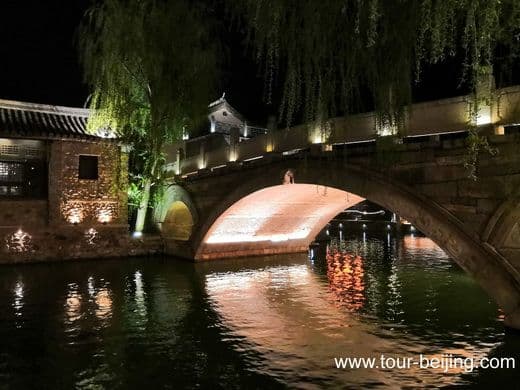
It reproduces in the northern China winding rivers, the waterfront houses, arch stone bridges, cobblestone and stone slab paths, old buildings and folk life.
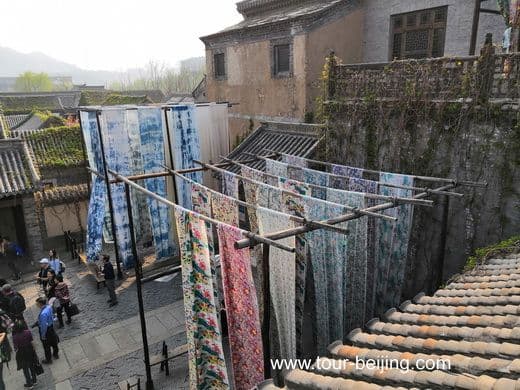
On the Water Street Area, you will visit Simagang Restaurant and Yongshun Dyehouse and other attractions.
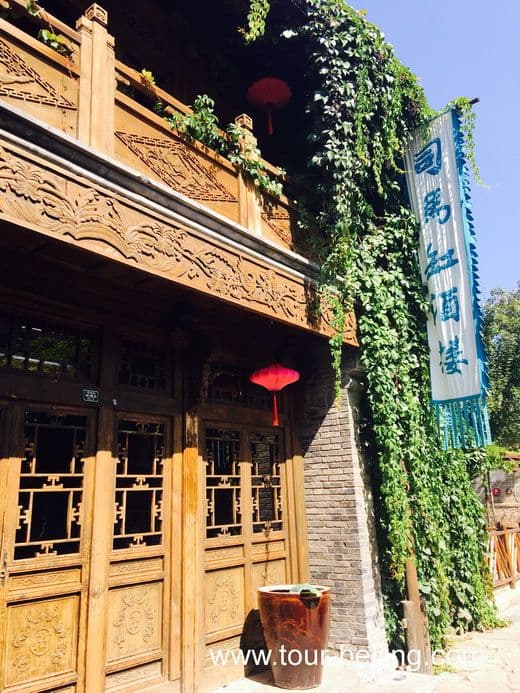
Along the Tanghe River after the Water Street Area is Wolong Fort Folk Cultural Area. This area is focused on the presentation and preservation of the Chinese folk culture, especially the folk culture in the northern China.
In this area you will appreciate the Chinese traditional houses, Yangwudi Temple, the village theater stage, Yinghua Academy of Classical Learning and more.

Built along the branch of Tanghe River, the Tanghe Ancient Castle Area depicts the ancient fortress or castle life in Ming and Qing dynasties. In this area, you have the opportunity to experience the Eight Banner Guild and Zhenyuan Escort Agency.
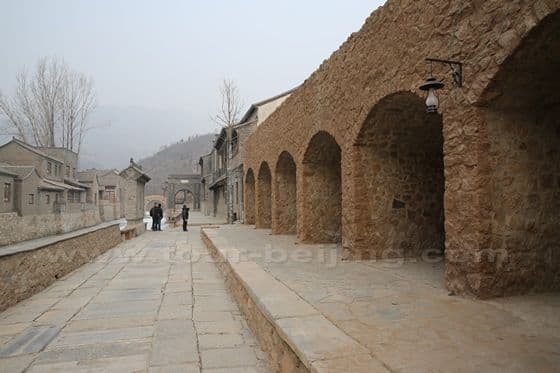
This is the Food & B&B Accommodation Area where you could find 400 B&B and bars. Most of the B&B are built in the style of traditional hutong or courtyard in Beijing.
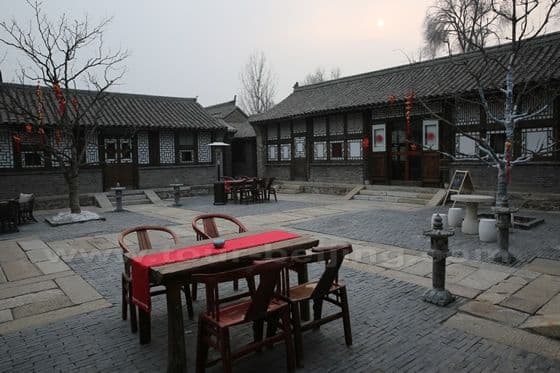
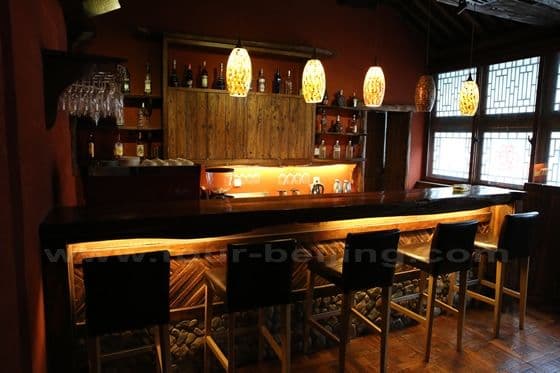
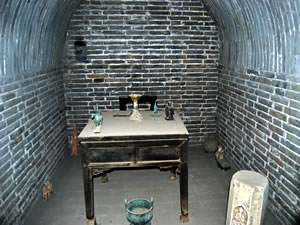
The interior of the Great Wall Bar at the foot of Simatai Great Wall.
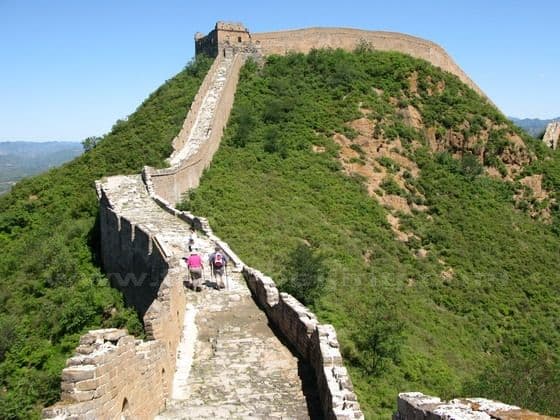
The water town has a charming location with a massive backdrop of the world famous Simatai Great Wall. Simatai Great Wall is 5 km long with all together 28 watchtowers ( East 16 and West 12 ).
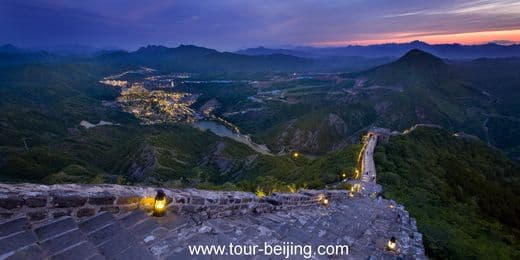
Constructed by the Ming Dynasty general Qi Ji Guang, it is one of the few stretches of the Wall that still preserve the original look of that period. It not only features unique points from other Great Wall sections, but also shows some features found nowhere.
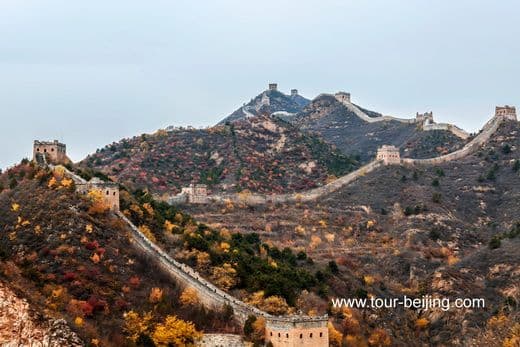
To the west there 12 watchtowers snaking on the sloping hills. To the east there are 16 watchtowers atop peaks up to 1,000 meters high.
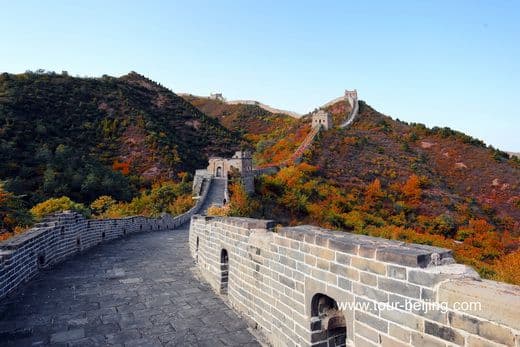
The views are amazing. The wall at Simatai has received very little renovation. So Simatai Great Wall still retains all its original look. It is well beyond the reach of the great crowds of visitors who come to the more popular and easily accessible parts of the Wall.
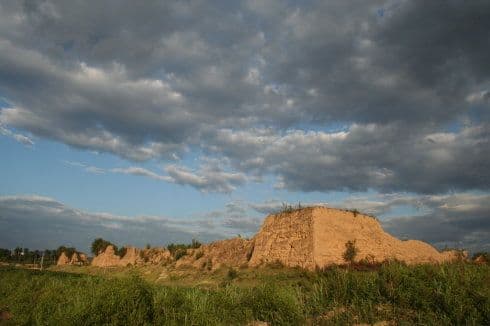
The Old Garrison Town Area is outside the Guebei Water Town proper. It mainly refers to the old fortress or castle area built during the reign of Emperor Wanli ( 1573 -1620 ) in Ming Dynasty ( 1368 – 1644 ).
The Old Garrison Town ( or popularly known as Simatai Castle was a small fortified city where the soldiers and their family members stationed and lived at the foot of Simatai Great Wall in Ming Dynasty. They were responsible for guiding Simatai Great Wall and watching the movements on the top.
In Ming Dynasty, garrisons were required to be self-sufficient on food supplies through local settlements. So less than a third of a soldier’s time was spent on actual military duties. Instead, most of his time was spent on working on the fields. The presentSimatai Village was developed from the old garrison town or Simatai Castle.
The Simatai Castle is located on the west of the huge parking area south of the south entrance to Gubei Water Town. The Old Garrison Town is under renovation.
The Gubei Water Town have two 5 star hotels, 6 boutique hotel and quite some guesthouses. Some hotels have been opened to the public, such as Wtown Hotel, Wuzhen Hui Boutique Hotel, Baqi Guesthouse, Biaoju Guesthouse, Liyuan Guesthouse, Wolong Guesthouse and more.
Wtown Hotel is a 5 star hotel sitting on a hillside and by the Tanghe River. Based on the concept of the European castle and Chinese Great Wall Watch Tower, Wtown Hotel has been built into a modern and massive construction palace that can be viewed anywhere in the resort. Wtown Hotel has over 400 rooms including standard rooms, superior rooms, Great Wall View rooms, suites and presidential suites.
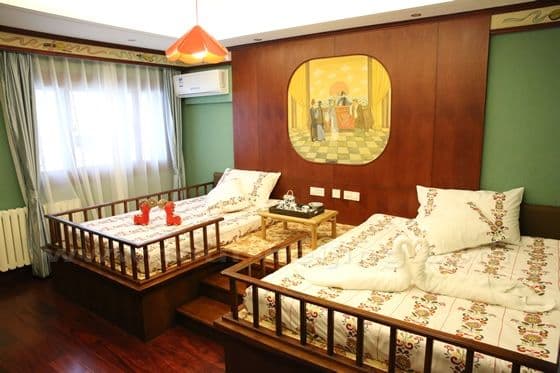
Liyuan Guesthouse is a theme guesthouse based on the stories from Peking Opera. Each guesthouse depicts one act from the stories in Peking Opera. It has totally 15 rooms sitting in a two-storey building.
Entrance fee: RMB 150 Senior over 60 years old: Half Price
Opening Hours: 8:00- 17:00 ( ticket selling till 16:30)
Simatai Great Wall: RMB 40 ( You need to book your ticket by phone one day in advance)
Ticket Booking Phone Number: 010 - 81009999
Note: 1.If you buy the ticket for Gubei Water Town, then you don't need to book your Simatai Great Wall ticket one day in advance. 2. Gubei Water Town + Simatai Great Wall Combo Ticket: RMB 170 3. Cable car at Simatai Great Wall: RMB 80 (single); RMB120 (return)
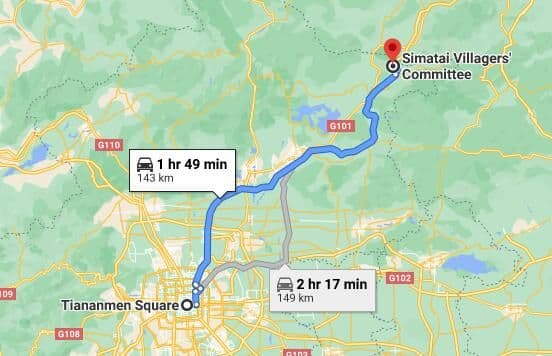
Basically you have four ways by using the special shuttles, public buses and S5 trains going from the city core of Beijing to Gubei Water Town ( Simatai ) or vice versa.
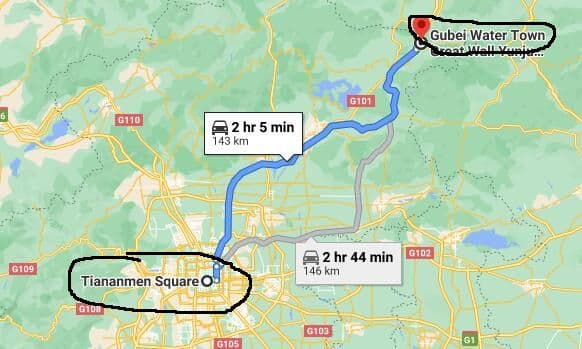
Read my another article How to Get to Gubei Water Town & Simatai Great Wall for more detailed information on how to get there.
How to Visit Great Wall of China How to Get to Badaling Great Wall by Train How to Get to Badaling Great Wall by Bus How to Get to Simatai Great Wall & Gubei Water Town How to Visit Mutianyu Great Wall How to Visit Great Wall of China in Winter How to Visit Great Wall of China Wheelchair Accessible
Hand-picked routes matched from this post's destination clues, tags, and categories.
Use these attraction notes to connect nearby sights with tours, destination guides, and planning articles.
Subscribe to receive Beijing travel ideas and tour updates.



Leave a Reply
Share a question or note for this guide. Comments are reviewed before publishing.