
Call a local advisor
+86 186 1196 4400Email our team
[email protected]Tour Beijing Journal
What does the Bund mean in Shanghai? The word "Bund" is an Anglo-Indian...
The word "Bund" is an Anglo-Indian word for embankment of a muddy waterfront. It was brought by the British from India. The Bund was originally the towpath for dragging barges of rice on Huangpu River in Shanghai.
From the mid-19th century onward, the area around the Bund became the seat of the colonial power - the British Concession (1845) on the northern Bund and the French Concession ( 1849) on the southern Bund.
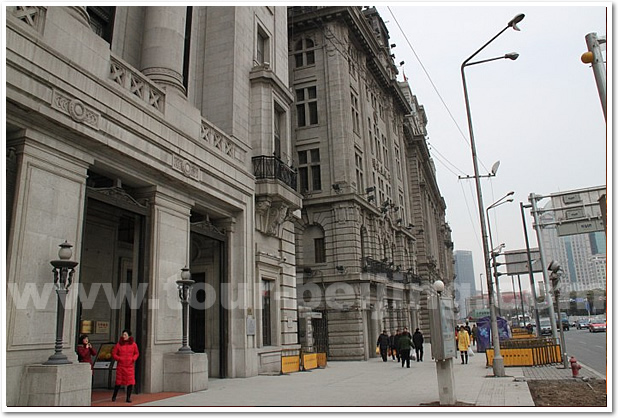
The Bund had its golden age in 1920s and 1930s before the chaos of the War and occupation. On the west side of the Bund appeared a group of imposing landmark hotels, most powerful banks and trading houses of various architectural styles - neoclassic, Renaissance, eclecticism, baroque and modernism.
The Bund in Shanghai is my favorite urban walk in the world though you may have your favorites like Piccadilly in London, Champs-Elysees in Paris and Fifth Avenue in New York and the list could be much longer.
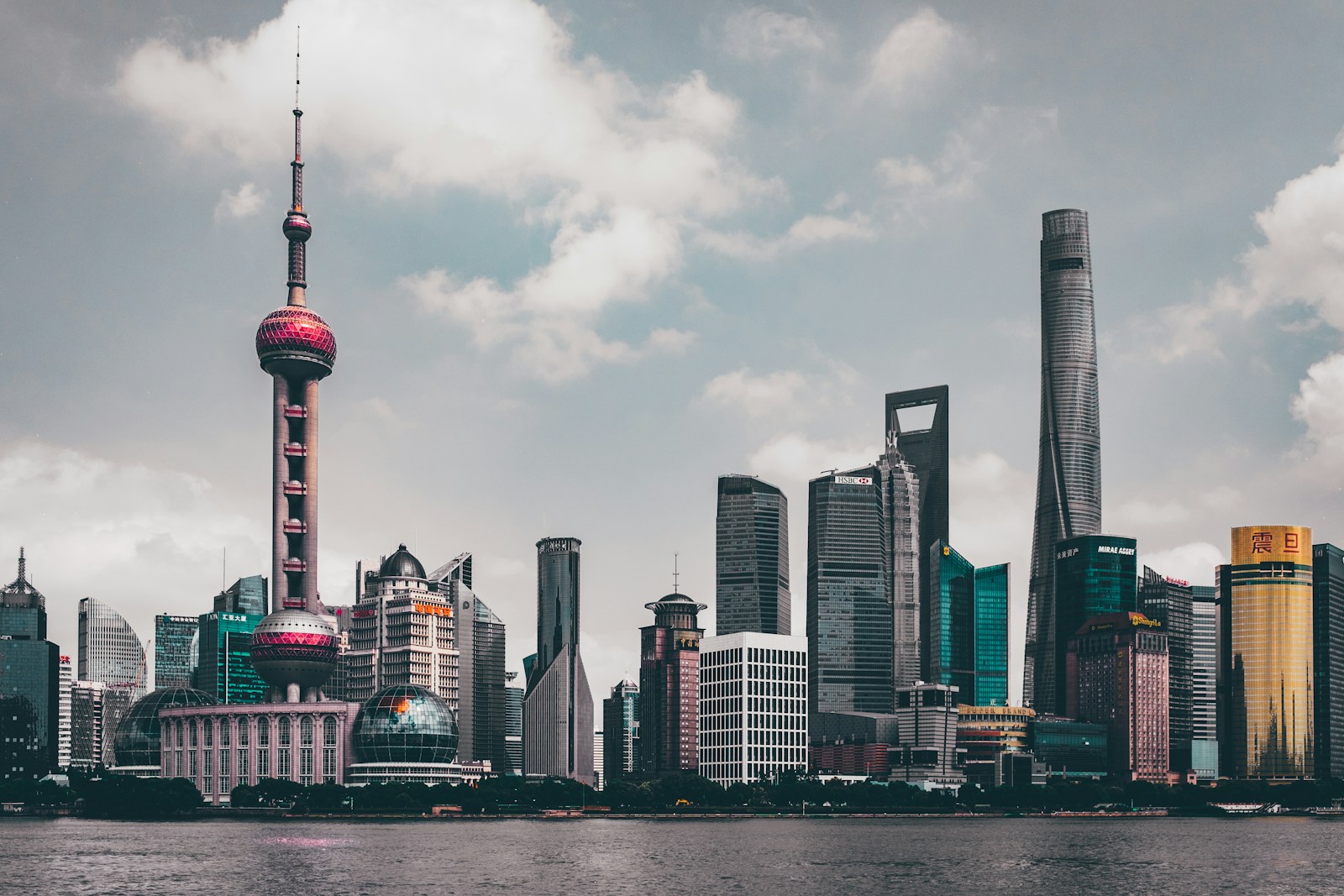
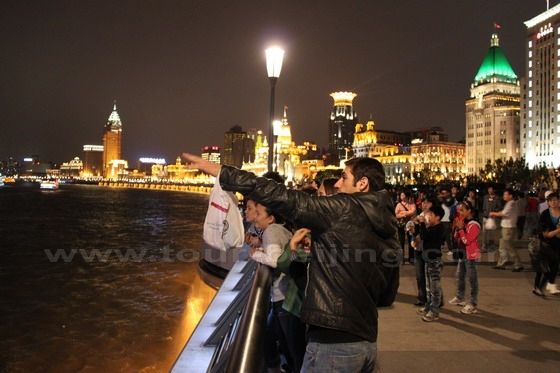
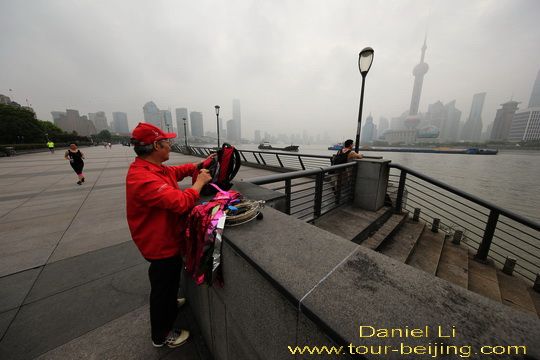
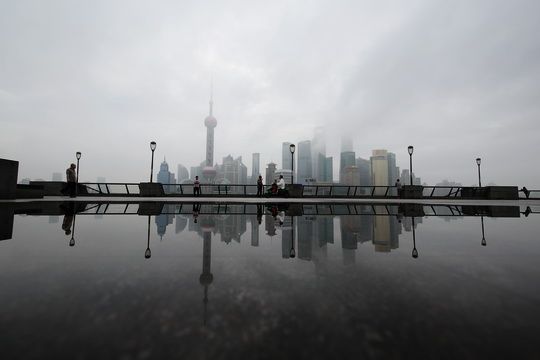
Wandering the promenade, you ogle at the Pudong Skyline opposite, feeling the strikingly contrast between the futuristic skyscrapers on the east of the Bund across Huangpu River and the clusters of the past glorious colonial buildings on the west side.
The central stretch of the Bund sits on No.01 East Zhongshan Road, a one-km long strip starting from the eastern tip of Yan'an Road on the south and Waibaidu Bridge on the north. It has a grandiose sweep of 22 well-preserved and renovated heritage buildings. To examine the magnificent facades and even visit the interiors of those open to the public takes about one hour. The Bund is the trump card on your Shanghai tour.
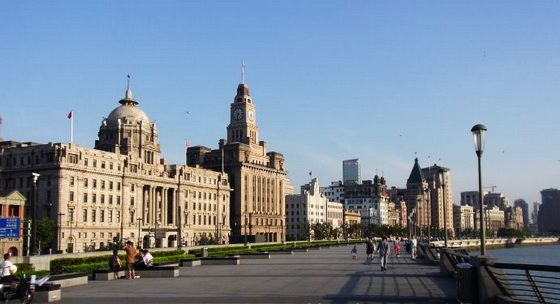
I've compiled a simple photo guide to the 22 heritage buildings on the Bund built during the concession era ( most of the buildings were completed in 1920s and 1930s). Before examining the buildings one by one from south to north, it is interesting to have a family group photo of the connected heritage buildings as a whole.
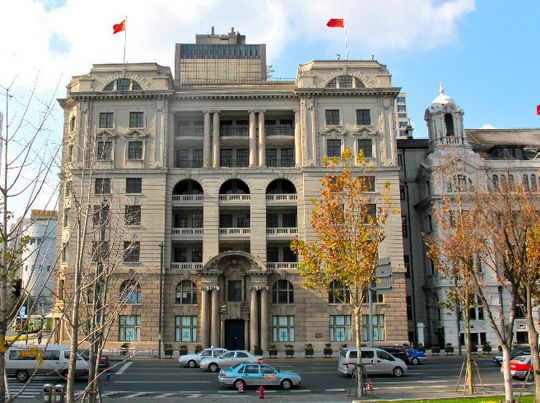
Asia Building is the key cultural relic under the state protection. The exterior of the build is the mixed styles of neoclassic and eclecticism with baroque touches. It features simplicity, elegance and magnificence. Now it is occupied by the China Pacific Insurance Company.
The Shanghai Club's most famous feature is the "longest bar" in the world, 34 meters long and made of mahogany.
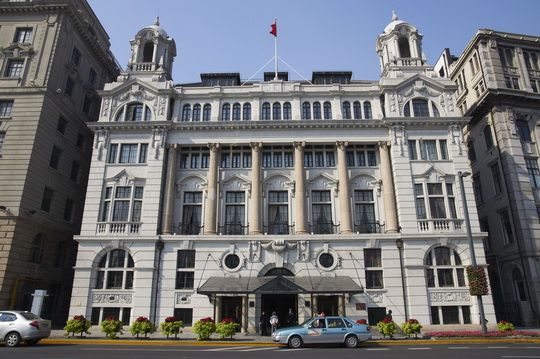
The building is the style of renaissance, and the exterior decorative style is the baroque. The columns between the 3rd and 4th floors are the ionic style. It has two baroque style pavilions on the top.
It is now transformed into the luxury hotel - The Wardorf Astoria Shanghai on the Bund (under Hilton chain ).
The whole building has six floors featuring the style of renaissance and the exterior baroque decorative style. The columns on the both sides of the gate are the ionic style.
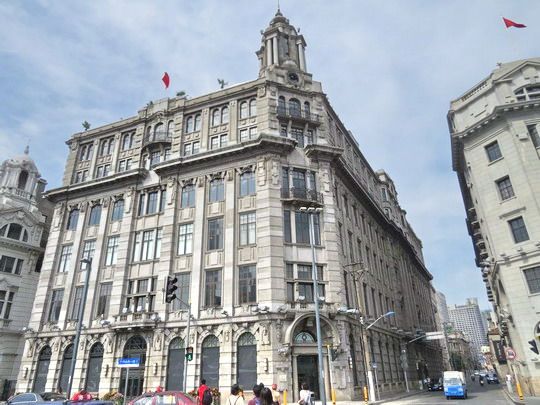
In 1937, the building was taken by Chartered Mercantile Bank of India, London and China. In 2004, the world outstanding architect - Michael Graves transformed the building into a brand new landmark comprising food , art, culture, music and fashion, a leading trendy destination. Now Union Building is hyped as The Bund No.03.
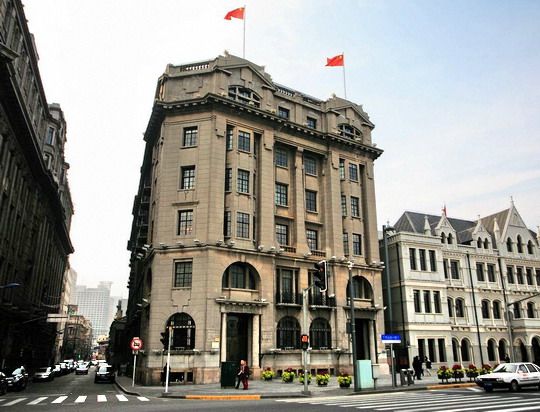
The building was later taken successively by Shanghai Haipeng Company and Huaxia Bank. Now it has been transformed into a world designer restaurant.
It was originally built in 1886 and used by Messrs Russell & Company. In 1897, China's first native bank - China Merchants Bank was set up.
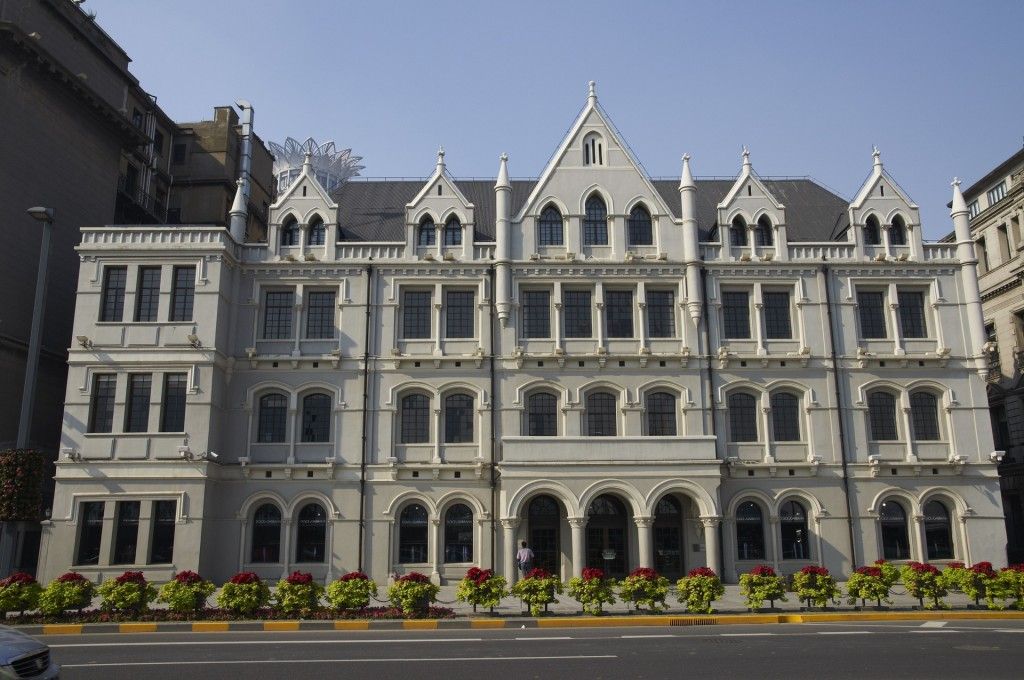
It is a building in the style of Victorian Gothic. The windows in the gables or dormers are fan shaped. The whole decoration style is featured of the strong color widely used in European religious architecture.
The building has been transformed into a complex of designer restaurants, swish bars and the flagship stores of some of the world's most exclusive brands.
It is the style of late French Renaissance with two Baroque style domes with the rococo style touches.
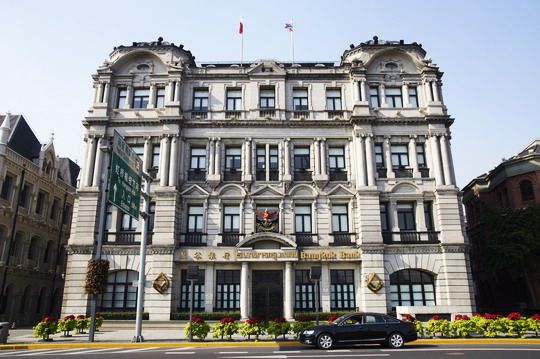
Later it was purchased by the Bangkok Bank which was founded in 1944. Now the Royal Thai Consulate General now occupies the third floor. It is also home to the Bangkok Bank China (盘谷银行).
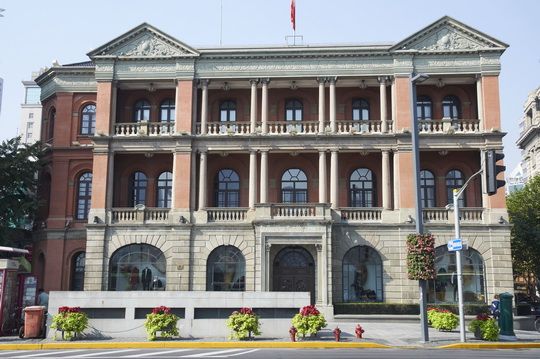
The building has the neo-classicism style. On the second and third floors, there are the interior balconies. The space is kept by the classical columns. It was the office building of China Merchants Shanghai Company.
Now it is the Shanghai flagship store of the international brand - SHIATZYCHEN (夏姿上海旗舰店).
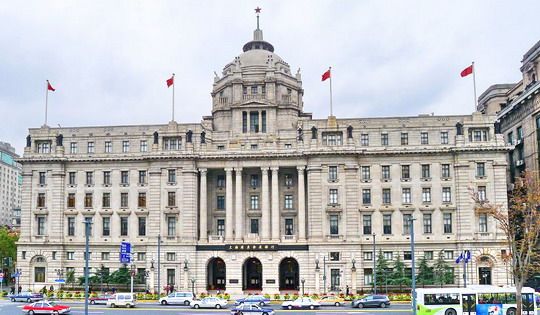
It is one of the best Palmer and Turner buildings and once dubbed as the most exquisite architecture from Suez Canal to Far-East Bering Strait. The building has seven stories including the top, a semi-sphere roof.
The whole architectural structure uses the steel framework with the exterior made of the bricks and woods. The interior is in the style of the classicism: the ionic columns, sunk-panel ceiling, the marble-paved floor, breast wall and pillars.
Now it is the office building of Pudong Development Bank. The Hong Kong and Shanghai Bank built a new tower in the Pudong district. It is 46 floors and 203.4 meters tall.
The east part has 8 floors facing the Bund with a huge clock tower on the top. The four clocks are set for the four sides and chimes the hour. The clocks were built in London and shipped for an earlier version of the Customs House.
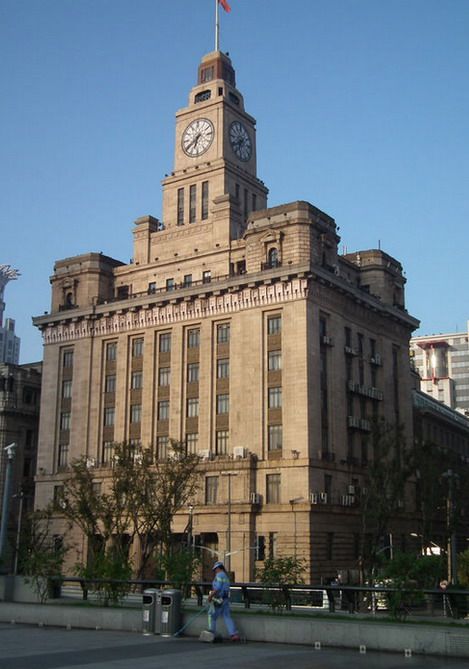
The building was designed by Palmer and Turner in the neoclassical style with strong straight lines. Doric columns are used in the reinforced concrete design. Today it is still used for customs function.
In 1919 at the end of the war, the China Bank of Communication took over the holdings of the Deutsch-Asiatische Bank which had 4 small buildings at this location on the Bund.
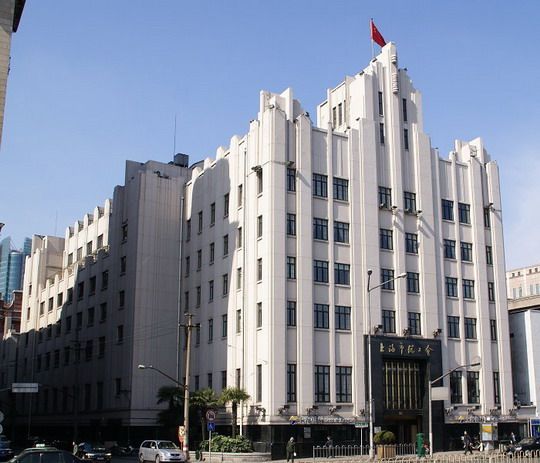
After the Anti-Japanese war, the new building the China Bank of Communications was was built in 1948 on the present location. It was designed by C.H.Gonda, the last building ever built on the Bund.
The whole building has six stories with the style of pragmatism, a wonderful example of Art-Deco, combining the modern with traditional Chinese symmetry. Today the building is now used by the Shanghai Federation of Trade Unions.
The building has three stories, one of the earliest buildings on the Bund. It has two ionic columns between the second and third floors on the east side facing the Bund.
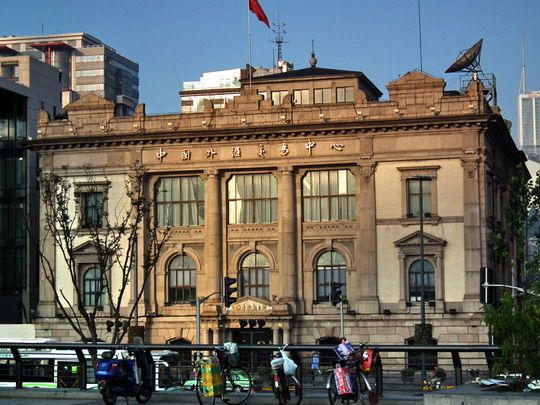
The building was the first to install an elevator. It has a granite base with tiles used to surface the light sections of the exterior walls.
A white marble staircase leads to the second floor where there are further sculpted reliefs on the walls. Today the building is used by Chinese Foreign Exchange and Trade Center and Shanghai Space Aeronautics Bureau.
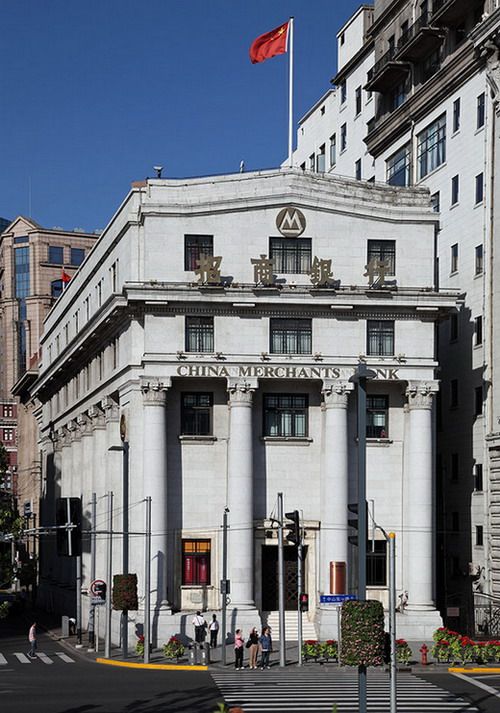
The east facade has four columns of the classical European style. The windows have small lights above the long rectangular main panes. Now the building is used by the China Merchants Bank.
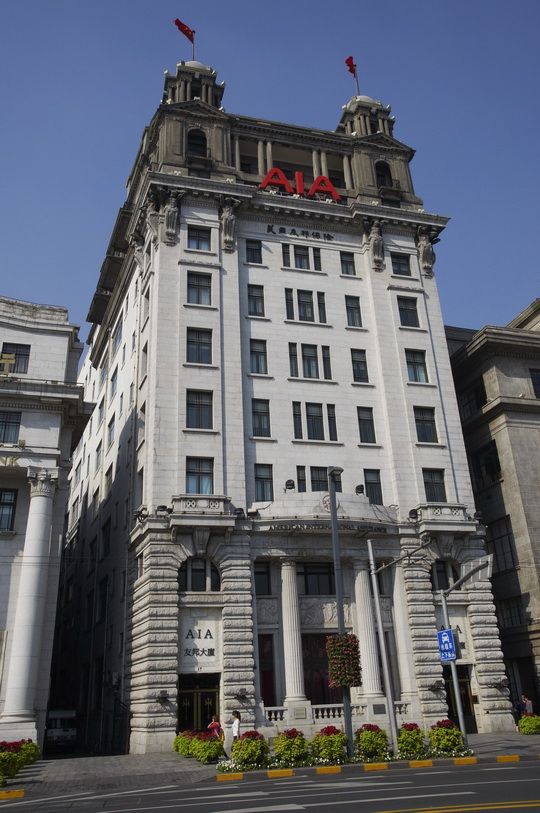
The building was first used by The "North China Daily News" , the first English newspaper in Shanghai. The "Daily News" stopped publishing in 1951. In 1996 the building was renovated and became the Shanghai branch of AIA, an American insurance company ( AIA ).
The Chartered Bank was founded by James Wilson and established in England. It was approved by Queen Victoria in 1853. The Chartered Bank opened its Shanghai branch in 1858.
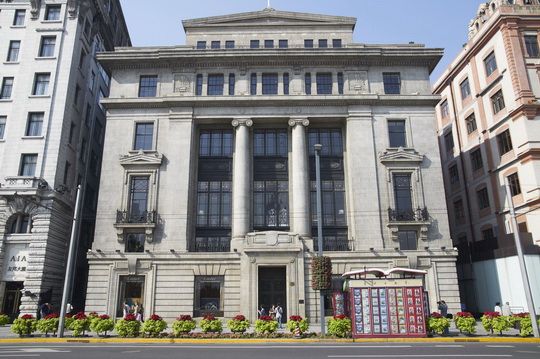
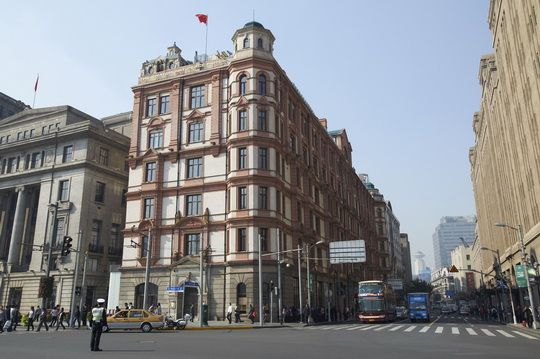
It have received many celebrity visits including the historic visit by Sun Yat-sen in December 1911, when he was provisional president.
Designed by Palmer and Turner for Victor Sassoon. Now it is the north building of Fairmont Peace Hotel.
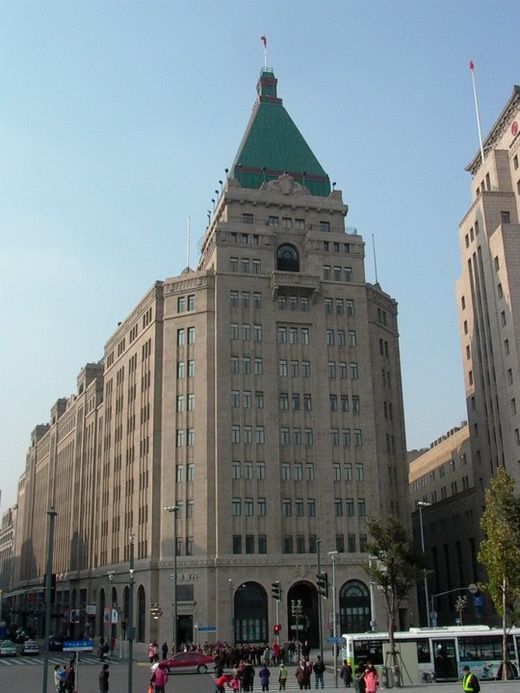
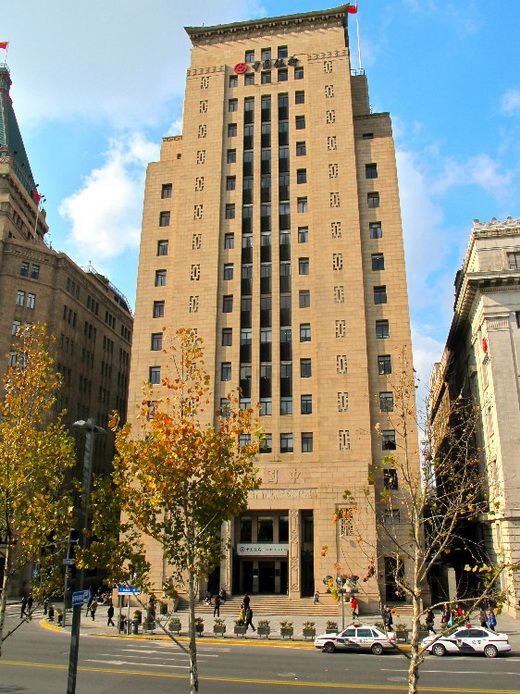
The whole building has two parts. The east part is the main building with 17 floors, which is in the Chinese native style of architecture. The west part is a four-story armored concrete building. Bank of China Building is a harmonious mix of the western architecture and Chinese traditional architecture.
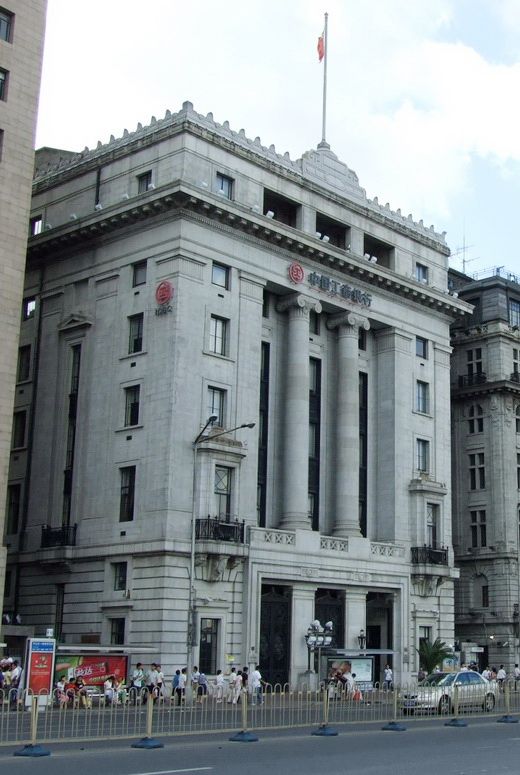
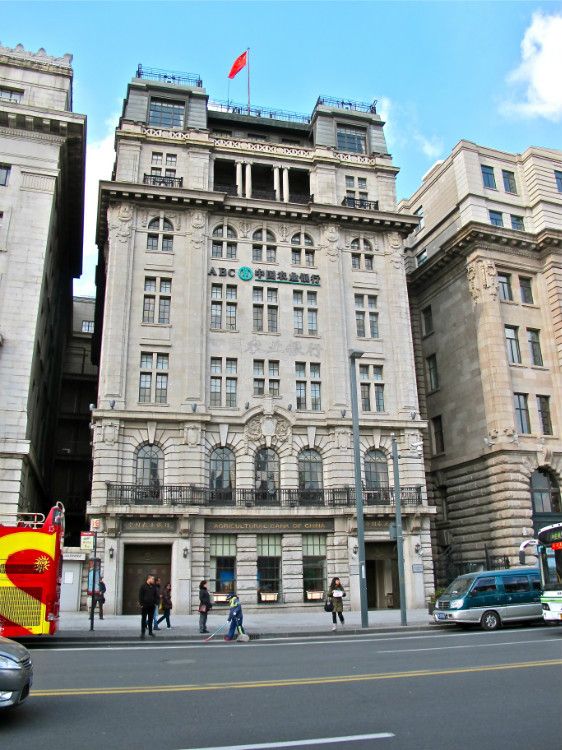
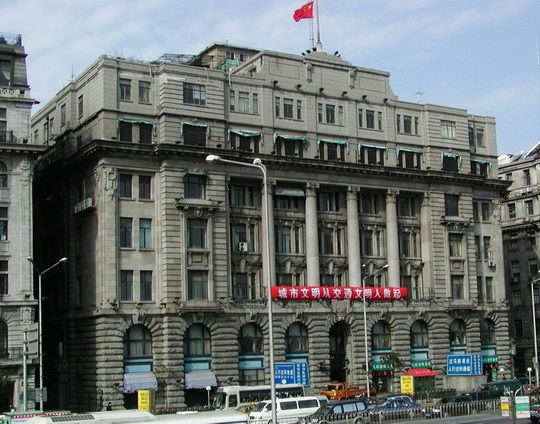
Today Jardine Matheson Building is the office of Shanghai Foreign Trade and Economic Cooperation Department.
Originally it was the site of the Western Steamship Line Company. It was completed in 1922 and designed by Palmer and Turner. It is a seven-story building with reinforced concrete structure in the Renaissance style. The bottom two stories have granite facade. Now it is used by Shanghai Cleaning House.
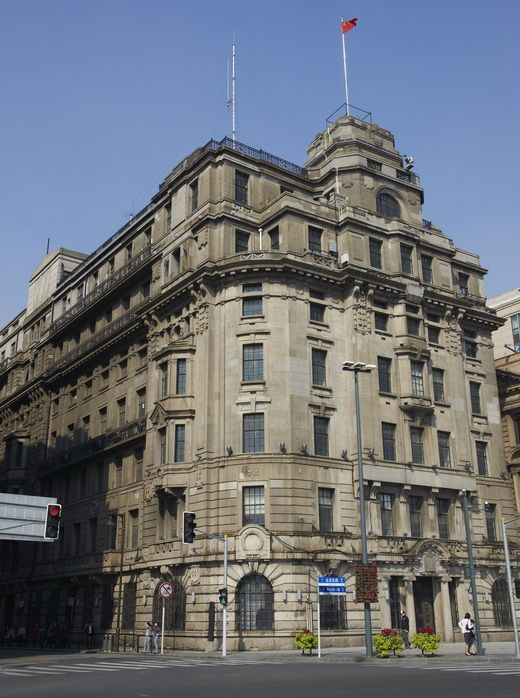
The building was completed in 1914 with French Renaissance architecture . The tall arches in the Baroque style are the centerpiece of this symmetrical building. At present is the Shanghai Branch of China Everbright Bank.
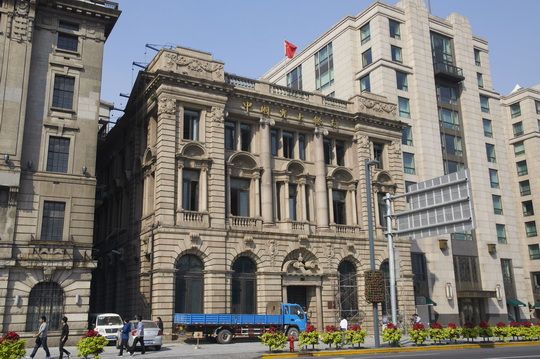
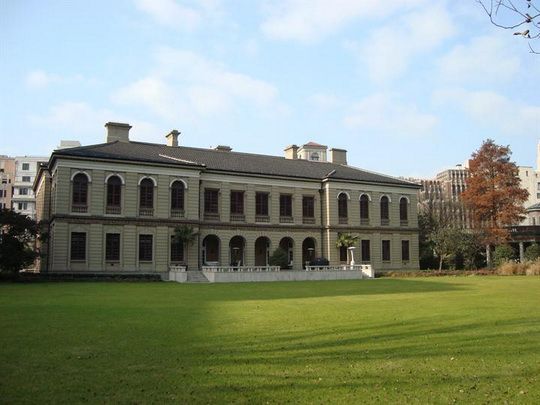
The building compound is located at the confluence of the Huangpu River and Suzhou Creek and with a total area of almost 23,000 square metres, extending from Zhongshan Dong Xi Road in the east to Yuanmingyuan Road in the west. This was the starting point of the development of the Shanghai concession.
All photos from Internet, any questions, just drop a line.
If you don’t want to go the do-it-yourself bus route and prefer the hassle-free escorted tours, here are some options for guided tours to Shanghai:
Share a question or note for this guide. Comments are reviewed before publishing.
Hand-picked routes matched from this article's destination clues, tags, and categories.
Use these attraction notes to connect nearby sights with tours, destination guides, and planning articles.
Continue planning with practical Beijing guides selected from similar places, themes, and travel questions.
Subscribe to receive Beijing travel ideas and tour updates.