
Call a local advisor
+86 186 1196 4400Email our team
[email protected]Tour Beijing Journal
Plan your Shanghai tour in winter? Shanghai's coldest weather falls on the...
Plan your Shanghai tour in winter? Shanghai's coldest weather falls on the three months: December (average lowest: 3℃ and highest: 11℃), January (average lowest: 1℃ and highest: 8℃) and February (average lowest: 2℃ and highest: 9℃).
Periodically the northern gale will sweep across Shanghai accompanied by a sudden and short drop of temperature ( -5℃ lowest). With the consistent cold air from the north and the wet and warm currents from the southwest, Shanghai tends to be in the period of low temperature and lack of sunshine, featuring cold and damp.
Though winter is not the best season to visit Shanghai in terms of weather, it doesn't make much difference to visit Shanghai in winter from other seasons due to its static city landscapes. Shanghai winter tour has its own advantage - less crowded, big discounts for admission fees, hotels and flights.
Festival activities during Christmas, New Year and Chinese New Year (Spring Festival) add much colors to the cold and wet Shanghai. If you are going to visit Shanghai in winter, we'd like to show you some of the top attractions to visit in winter in Shanghai.
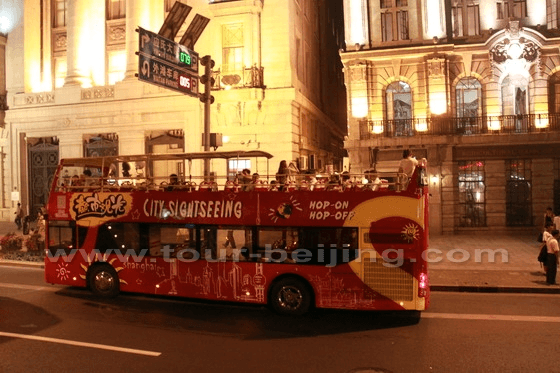
Currently Spring Tour Bus offers the loop lines daily bus tours. Many local Chinese choose Spring tour bus with the cheaper option with a ticket costing just RMB 30 ( 24 hour); RMB 50 (48 hours).
The 24 hour ticket is valid for one person (with the option of an accompanying child under 1.4 metres in height), and includes one pair of earphones.
The GPS-triggered audio tour comes with 8 language options: Chinese, English, Korean, French, Spanish, German, Russian and Japanese.
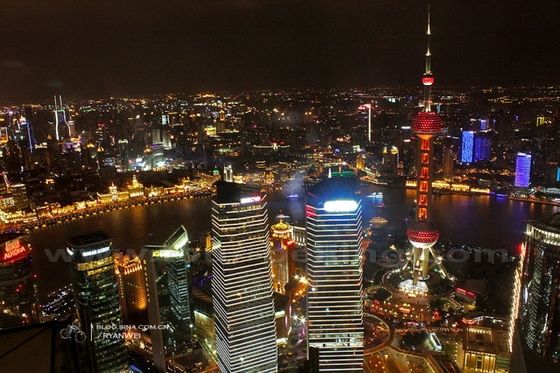
It was designed by Kohn Pedersen Fox. The tower’s foundation stone was laid on 27 August 1997 and it was declared complete on 17 July 2008.
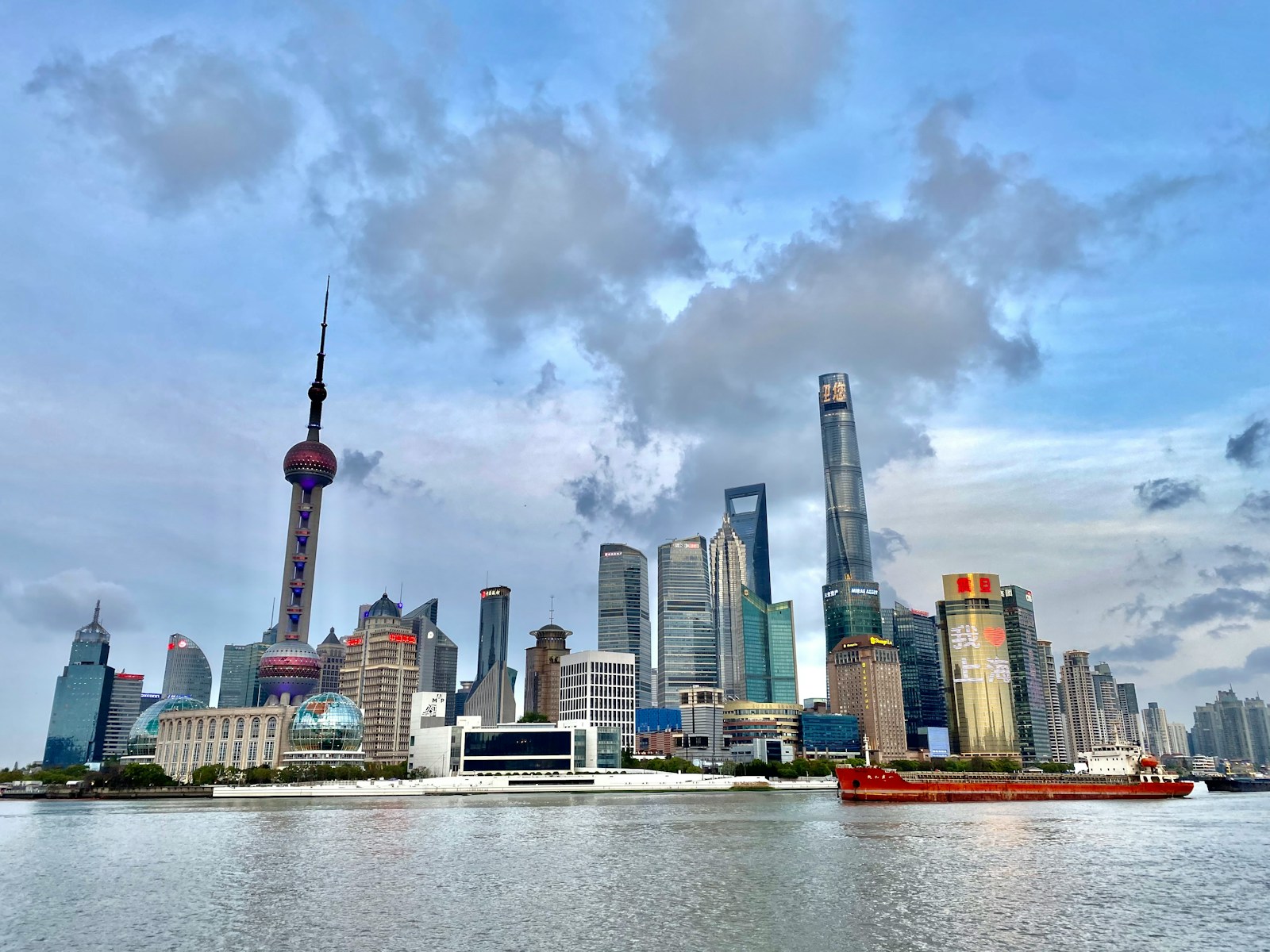
It is the tallest building in China accompanied by the other three supertall buildings in Pudong – the Jin Mao Tower, the Shanghai World Financial Center and Oriental Pearl TV Tower. The megatall structure is 632 metres high with128 stories.
If you are not a history buff, these two connected places till remain interesting. This area is the old core city from which the metropolitan has been developed.
Yuyuan Garden was first built as a private garden created by Pan Yunduan in Ming Dynasty (1368 - 1644). He used almost 20 years and all of his savings to build a garden in trying to please his parents in their high ages.
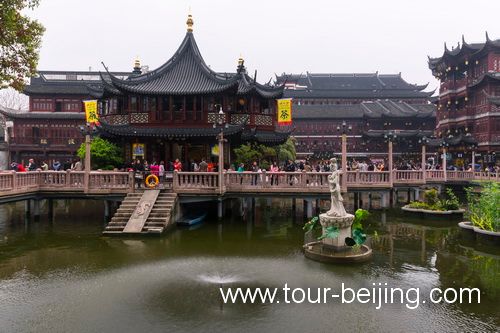
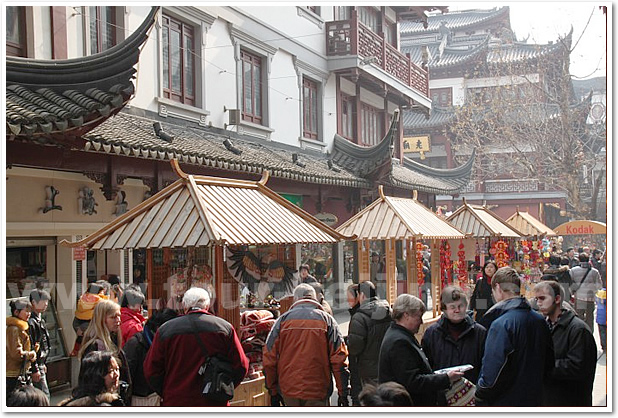
Next to the gardens is Shanghai's bazaar, the former old downtown area, now with a great number of small streets and lanes where vendors sell their products and food stuffs to the tourists and local people.
Sail along the Huangpu River, view the skyline of Pudong (modern high rises ), take the awesome sight of the Bund (colonial buidlings)... These are just a few things you will do on your cruise.
There are several ways to tour the Huangpu River. If you have time, a 3-hour (60km) voyage along the Huangpu to the mouth of the Yangzi River and back allows for the most leisurely and complete appreciation of the river.
There are also shorter river cruises (1 hour) that tours the main waterfront area between the two suspension bridges, Yangpu Qiao in the north and Nanpu Qiao in the south. At present, 19 cruise boats of different sizes are available cruising on Huangpu River. The largest cruise ship (Huangpu River Cruise No.01) holds as many as one thousand passengers witht he smallest boat carrying 80 people.
The cruise pier is located on Shiliupu Wharf, just south of the Bund, No.171, Zhongshan Nan Lu, Shanghai. The embarking dock is Gate 3, Shiliupu Wharf Tourism Center. There are two embarking areas along the long Shiliupu Wharf. Either areas are all right as long as you come the right dock for your boating.
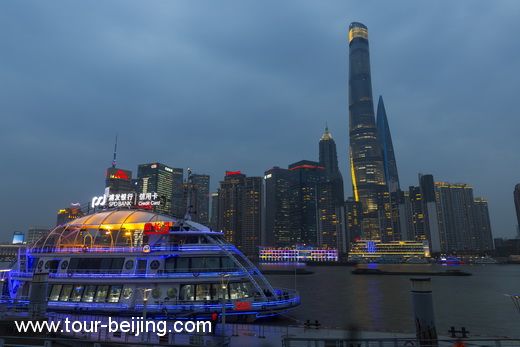
Take the subway line 2 and get off at Nanjing Dongl Lu (Nanjing East Road), then walk along the Bund to the Shiliupu Wharf. If you have a hop on and hop off ticket, you can easily get to the wharf since the double-deck bus route has a stop at Shiliupu Wharf.
Tianzifang should be included on your Shanghai winter travel plan. Tianzifang is an art, craft and Shikumen (stone-door-frame houses) enclave developed from an old residential area of the former French concession, a shikumen residential built in 1930s in Shanghai.
In 1980s artists, designers and vendors began to set up their studios, art galleries, craft stores, design house, cafes, bars, and restaurants a kind of creative industry precinct in an old residential area of Shanghai.
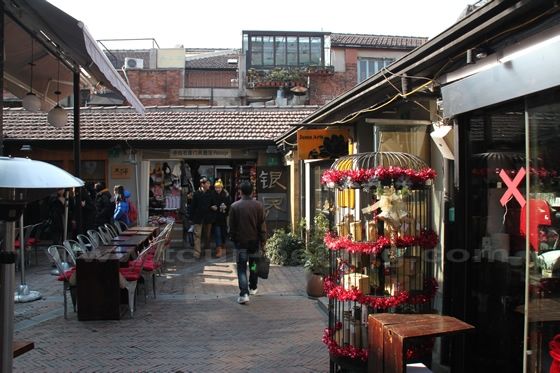
It is a great place to shop and dine though a bit overpriced. But you do find some original gifts and souvenirs you cannot find elsewhere in Shanghai. If you are not a big fan for shopping and eating, just concentrate on its architecture.
The most convenient way of getting to Tianzifang is taking subway line 9 and get off at the station of Dapuqiao (打浦桥) and using Exit 1 and the Taikang Road ( where the three lanes are located) is just opposite the Exit 1.
You may start your exploration of Tianzifang by entering the Taikang Road Lane 210, then duck into the Lane 248 and 274.
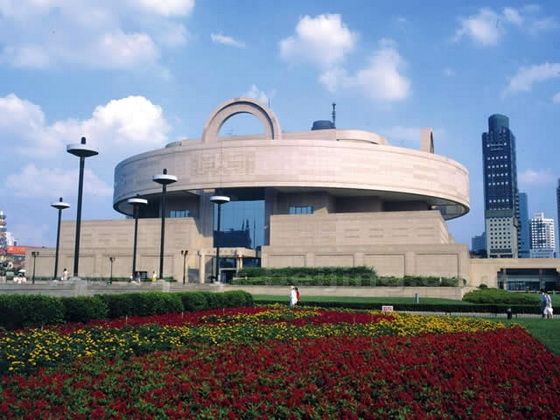
Take subway line 2 or 8 and get off at People's Square and the walk to Shanghai Museum.
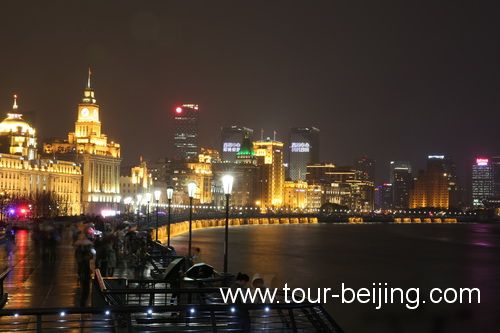
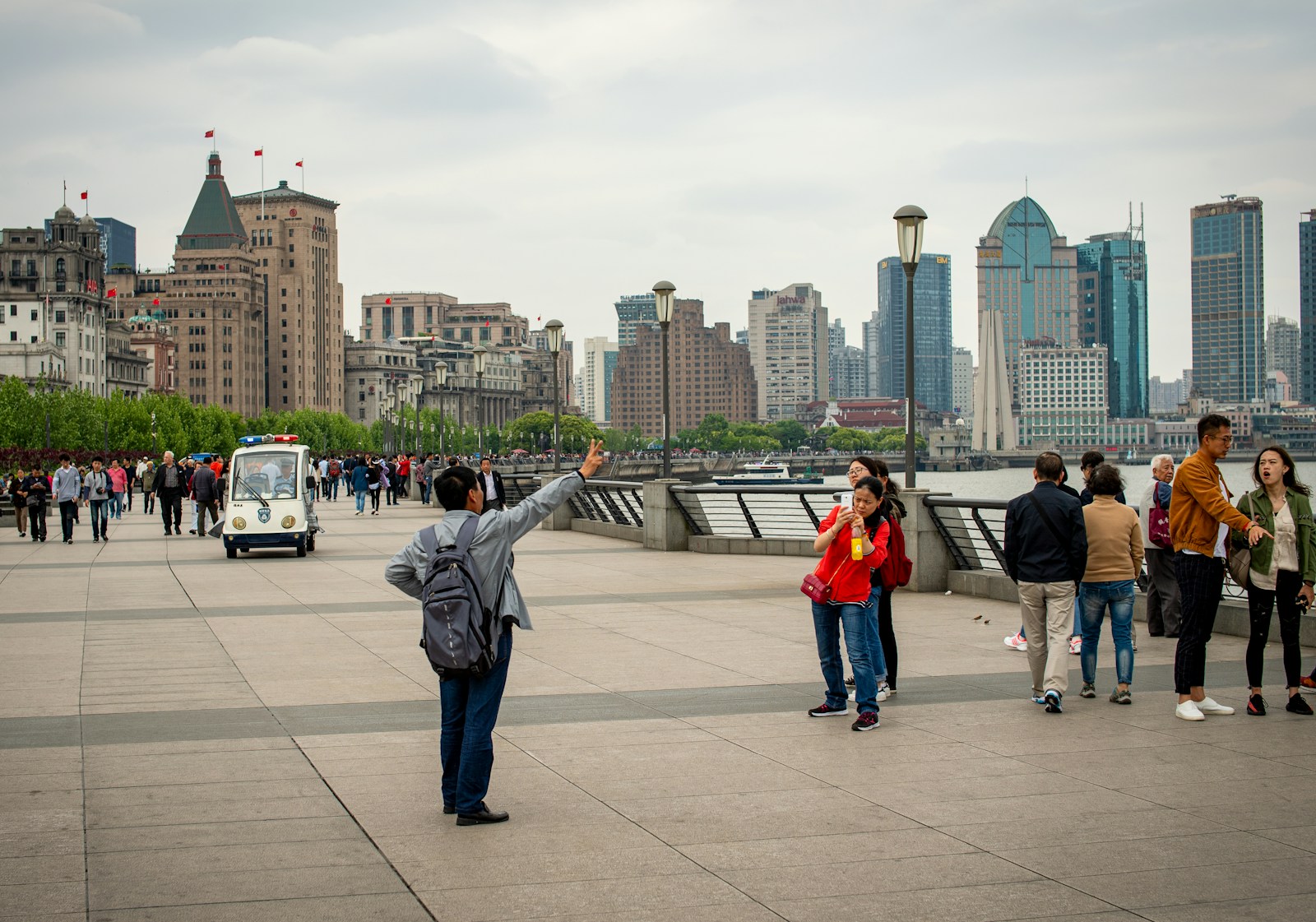
The Bund in Shanghai was first used when the first British company opened an office there in 1846. The Bund, or the waterfront,is now surrounded by about 50 various buildings of different architectural styles including Gothic, Baroque, Romanesque, Classicism and the Renaissance.
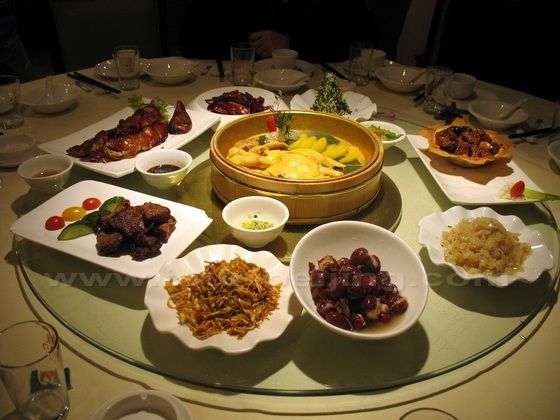
Shanghai enjoys a good reputation in Chinese gourmet circles, boasts one of China’s most characteristic and distinctive cuisines.
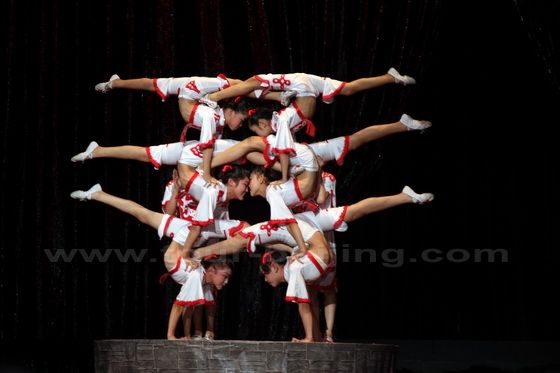
The Acrobatics at Shanghai are not to be missed. They are held each night and last for about 2 hours. The Shanghai Acrobatic Troupe, established in 1951 is one of the best in China. It frequently tours internationally and perform routinely at Shanghai and other cities in China.
An acrobatic show has become one of the most popular evening entertainments for tourists in Shanghai. You can enjoy gravity-defying contortion, juggling, cycling, chair-stacking, and plate-spinning acts at the following stages.
Shanghai Circus World and Shanghai Acrobatic Troupe both become the members of Shanghai Culture, Broadcast, Film and TV Group. Joining hands with media and other cultural undertakings, acrobatics has made unparalleled development.
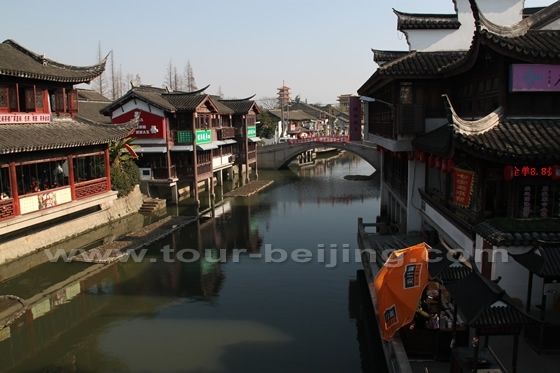
Qibao Ancient Town is a tiny water town which is also the closest ancient town in the southwest of Shanghai. It is located south of Qingnian Road in Min-Hang District, about 15km southwest of Shanghai.
Qibao literally means ” Seven Treasures” named after the same name temple - Qibao Temple in Qibao ancient town. The old town is mainly composed of three stone arch bridges, two canals and 4 major streets and several side lanes.
Qibao Water Town is a “city within the city of Shanghai”. You just take Shanghai subway line 9 and get off at the station of Qibao (七宝)and use the exit 2. For a short stroll, you will get to Qibao old town.
If you don’t want to do a self-guided tour and prefer the hassle-free escorted tours, here are some options for guided tours to Shanghai:
Share a question or note for this guide. Comments are reviewed before publishing.
Hand-picked routes matched from this article's destination clues, tags, and categories.
Use these attraction notes to connect nearby sights with tours, destination guides, and planning articles.
Continue planning with practical Beijing guides selected from similar places, themes, and travel questions.
Subscribe to receive Beijing travel ideas and tour updates.