
Call a local advisor
+86 186 1196 4400Email our team
[email protected]Tour Beijing Journal
Plan your Shanghai tour? If you want to feel and have a glimpse of a...
Qibao literally means " Seven Treasures" named after the same name temple - Qibao Temple in Qibao ancient town. The old town is mainly composed of three stone arch bridges, two canals and 4 major streets and several side lanes.
Qibao old town was originally formed in the later Han Dynasty, developed from Song Dynasty and prospered in Ming and Qing dynasties with a history over 1000 years. Today Qibao has become an interesting place for leisure, sightseeing and shopping, a good getaway from busy Shanghai.
A two-hour's stroll is basically needed for a glimpse of the quaint lanes and streets in Qibao. If you are a photography lover, you will find its nook and cranny offers plentiful photo opportunities; if you want to eat snacks and do some shopping, Qibao is your right choice with numerous food stalls and souvenir stands.
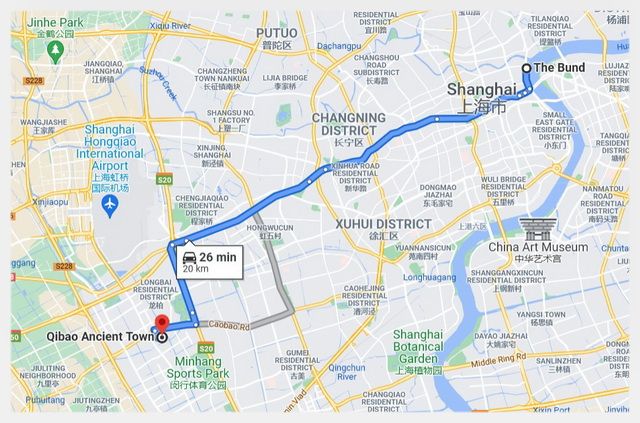
Qibao Water Town is a "city within the city of Shanghai". You just take Shanghai subway line 9 and get off at the station of Qibao (七宝)and use the exit 2. For s short stroll, you will get to your Qibao old town.
1) Get there early to avoid hordes of domestic tourists
2) Travel on weekdays and avoid weekends.
3) Walking around Qibao Ancient Town is free. A combined ticket (RMB30) allows you to visit 8 indoor sites in Qibao Ancient Town. Or you may buy any one of the sites at the entrance fee of RMB 5.
Now follow me to have a glimpse of the small water town in the southwest of Shanghai.
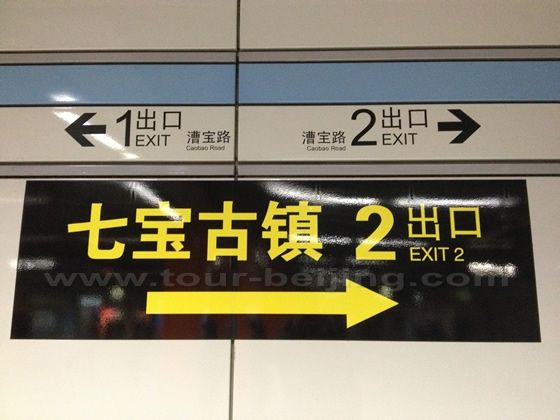
When you arrive at Qibao Subway Station of Subway Line 9 ( about 40-minute subway drive from downtown), you will see a yellow signboard pointing the Exit 2 for Qibao Ancient Town (七宝古镇).
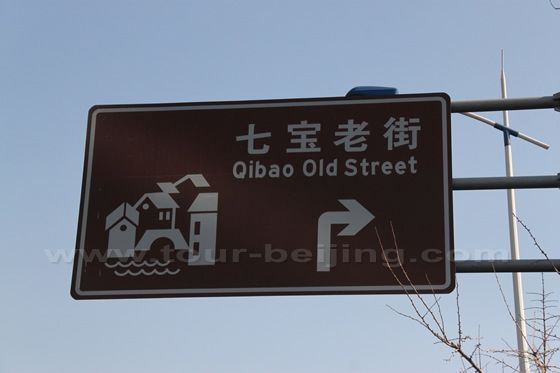
Once you are out from Qibao Subway Station of Line 9, you just turn right to the east direction and walk on the sidewals for about 150 meters, then you walk on your right side (in the south direction) at the first crossroad and walk south along Minzhu Road.
Overhead, again you will see a signboard indicating the direction of Qibao Ancient Town ( Qibao Old Street ). For wandering for about 400 meters, you come across a T-junction formed by Minzhu Road (south - north ) and Qingnian Road (east-west). At the T-junction, you turn left side and walk along Qingnian Road to the east direction.
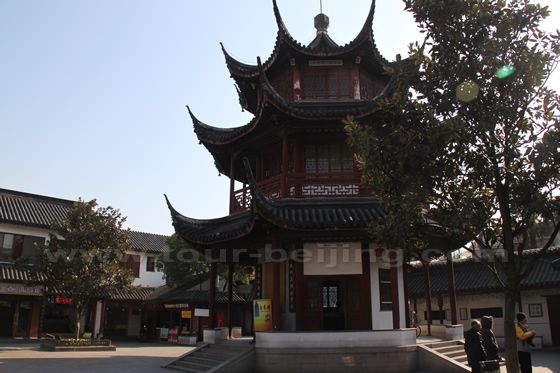
So the whole Qibao old town is located to the south of the Subway Line 9. Walking along Qingnian Road, soon you will see the entrance - a decorated archway with the bell tower behind it.
A decorated archway inscribed with a Chinese name- Qibao Old Street (七宝古街).
Behind the decorated archway is the Bell Tower
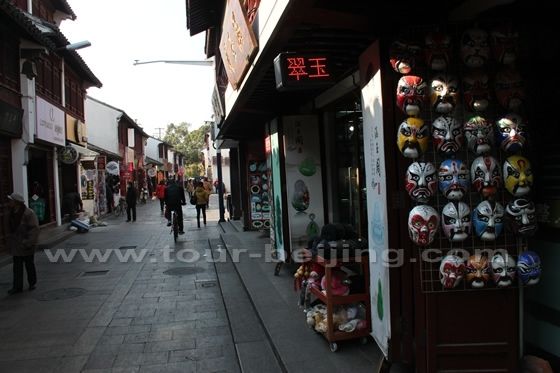
Then you turn right and begin your Qibao exploration by walking south along one of the most popular streets - North Street. The narrow north street is lined with numerous souvenirs stores, snack stands and local flavor restaurants.
Strolling the markets, wandering the old streets, and browsing the snack stands are your highlights on your Qibao experience.
The old buildings are two-storey structures with traditional features of Chinese architecture.
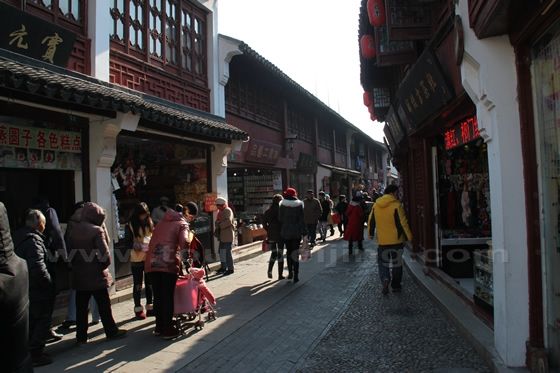
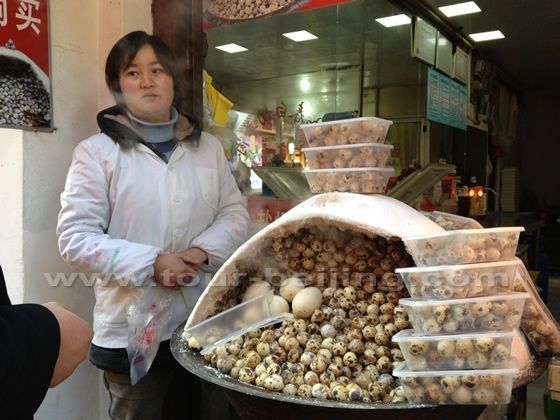
The North Street is full of eateries, various kinds of snacks. If you like local street food, you won't miss sampling a few of them.
The unique making of quail eggs.
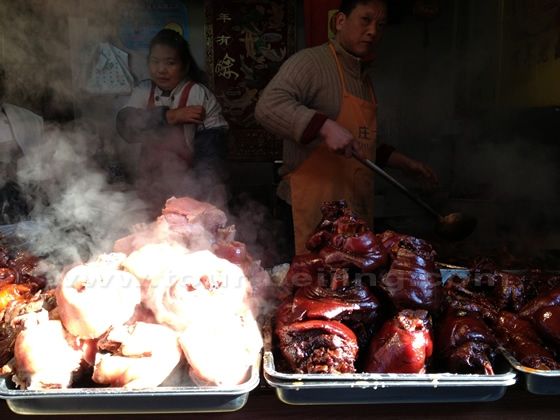
Sample its famous red-braised pork
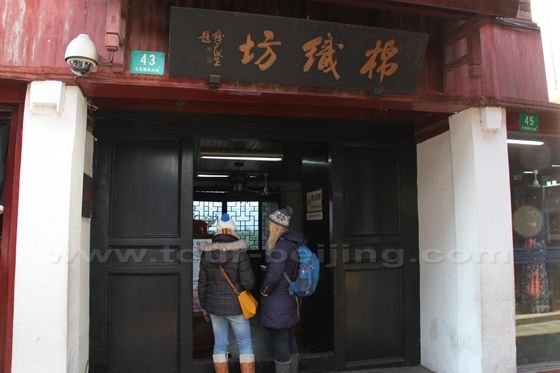
There are many offerings on the North Street. If you are interested in an ancient cotton textile mill in Qibao, you may visit the Cotton Textile Museum located on the No.43 of North Street (entrance fee: RMB 5)
The entrance for Cotton Textile Mueum
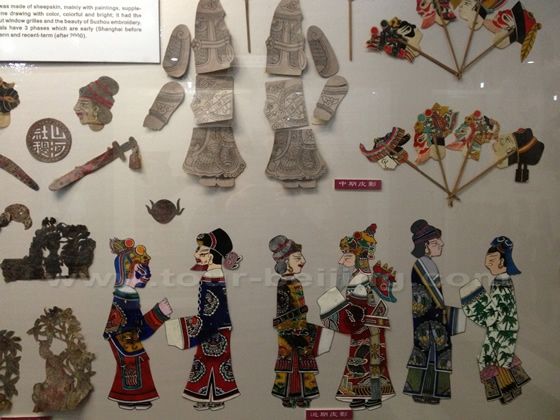
If you are interested in shadow play, you may visit the shadowgraph museum which is located on Beixi Street ( North West Street)
You will be carried by the crowds of people on the main street and so you have to rub shoulders with domestic tourist on the main street.
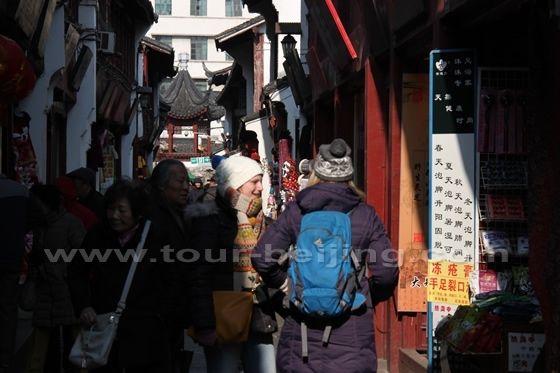
But once you are off the main street, you will have more personal space on your own. So duck into the side lanes for fresh air and leisure.
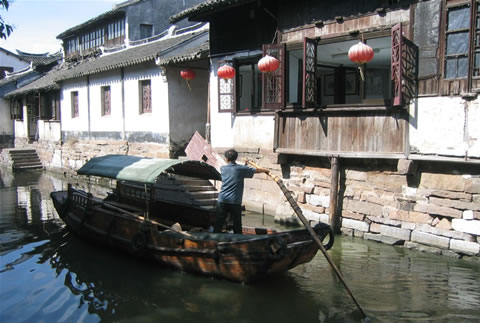
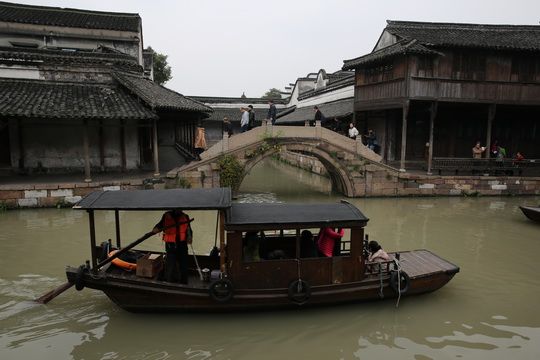
The Qibao old town is mainly divided by Puhuitang Rivder ( the canal ) into two parts - North Part ( North Street ) and South Part ( South Street ) . A charming stone bridge spans the canal, posting an impressive picture of traditional Chinese painting.
The Puhui Bridge spans the canal, giving you a feeling of a water town.
Standing on the Puhui Bridge, you do have a feeling of the small water town in the Yangtze River Delta.
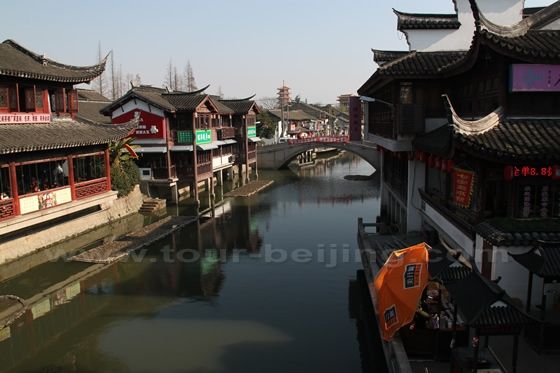
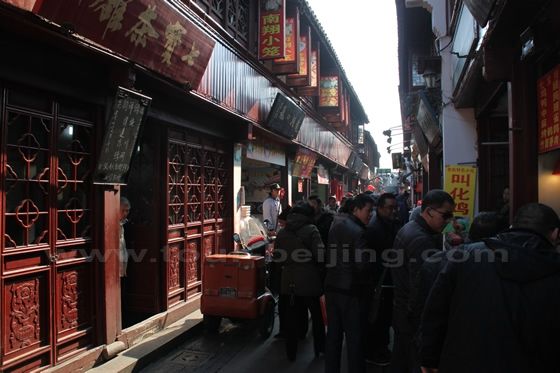
Crossing the Puhui Bridge, you enter the South Street ( 南大街). More or less the same as the North Street, the South Street is also packed with souvenir shops and food stalls.
The South Street offer many local flavor eateries.
Back to the city center using the same subway line 9.
If you don’t want to do a self-guided tour and prefer the hassle-free escorted tours, here are some options for guided tours to Shanghai:
Share a question or note for this guide. Comments are reviewed before publishing.
Hand-picked routes matched from this article's destination clues, tags, and categories.
Use these attraction notes to connect nearby sights with tours, destination guides, and planning articles.
Continue planning with practical Beijing guides selected from similar places, themes, and travel questions.
Subscribe to receive Beijing travel ideas and tour updates.