Call a local advisor
+86 186 1196 4400Email our team
[email protected]Tour Beijing Journal
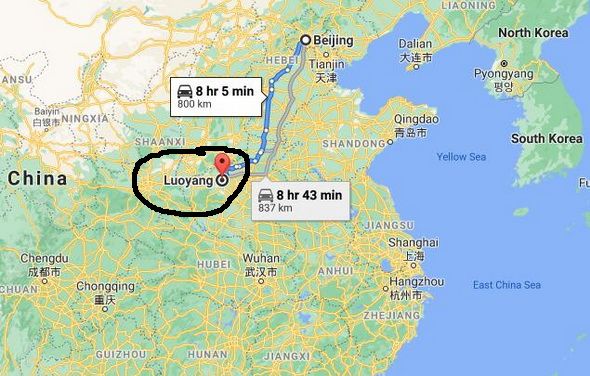
Plan your Luoyang tour? Situated on the central plain of China, one of the...
Plan your Luoyang tour? Situated on the central plain of China, one of the cradles of the Chinese civilization, Luoyang was one of the Four Great Ancient Capitals of China. Luoyang is endowed with countless historical sites and cultural treasures.
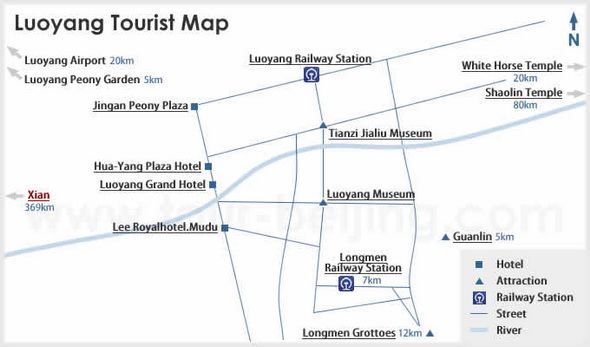
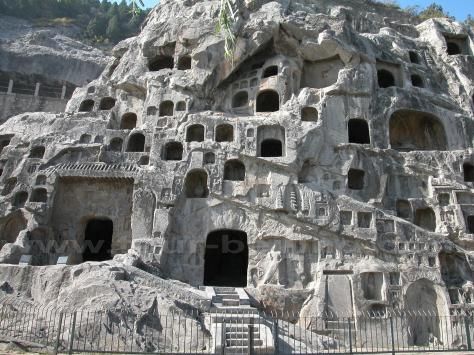
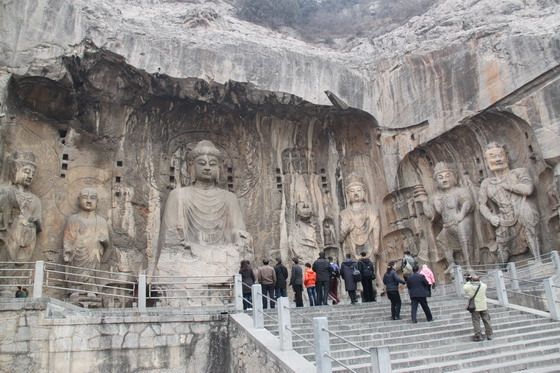
The Longmen Grottoes, which are a treasure house of ancient Buddhist cave art, are located sixteen kilometers south of Luoyang in Henan province, on the banks of the Yi River.
The grottoes and niches of Longmen contain the largest and most impressive collection of Chinese art of the late Northern Wei and Tang Dynasties.
These works, entirely devoted to the Buddhist religion, represent the high point of Chinese stone carving. On November 30, 2000, the Longmen Grottoes were approved by the 24th UN Heritage Commission to be put on the List of World Cultural Heritage.
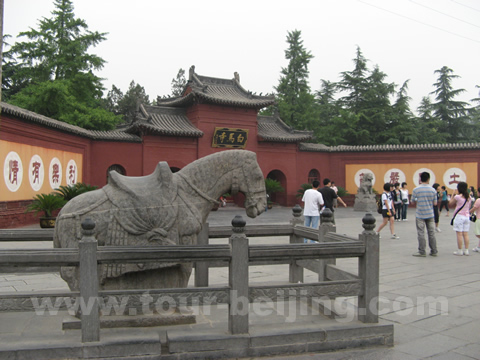
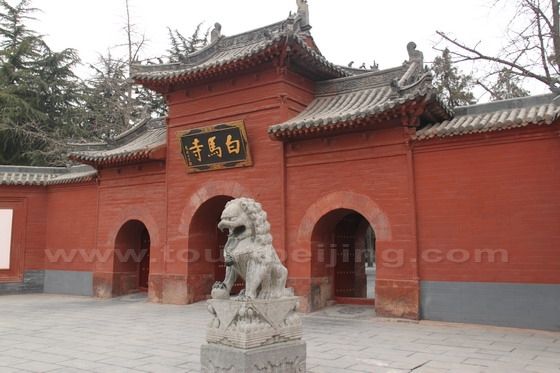
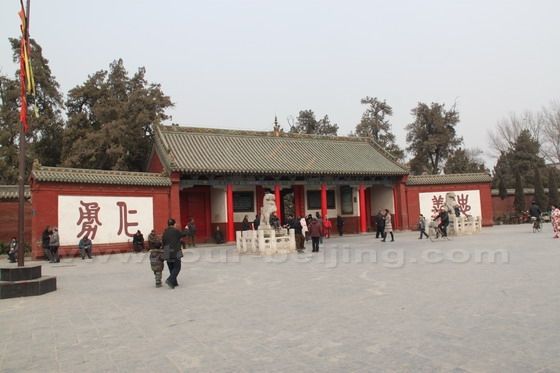
White Horse Templeis, according to tradition, the first Buddhist temple in China, established in 68 AD under the patronage of Emperor Ming in the Eastern Han capital Luoyang.
The White Horse Temple is located 12 kilometers away from the east of Luoyang City. The main temple buildings, a large complex, were reconstructed during the Ming and Qing dynastie.
It has numerous halls divided by several courtyards and manicured gardens, covering an area extending to about 13 hectares. Now the White Horse has become an attraction to domestic and foreign tourists.
Guanlin Temple, the temple and mausoleum of Guan Yu, was built to commemorate the great general Guan Yu who is the blood brother of Liubei in the Three Kingdoms Period.
Despite its military theme, this temple is strikingly beautiful; the elegant Ming buildings are highly carved and richly decorated. It is the divine district for palmers to pilgrimage, attracting more and more person from home and abroad.
The official name of the museum is called Museum of Luoyang Eastern Zhou Royal Horse and Chariot Pits, quite long, while it is colloquially called “Tianzi Jialiu Museum”. “Tianzi” means emperors while “Jialiu” means their chariots driven by 6 horses.
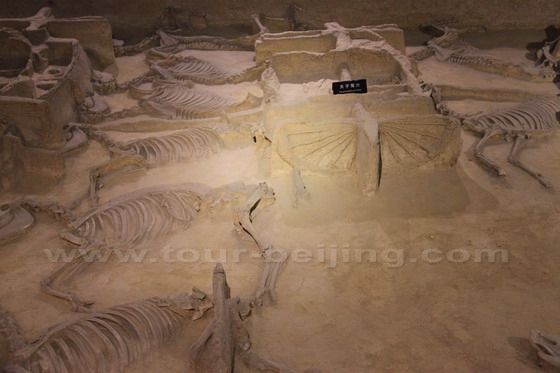
Tianzi Jialiu Museum covers an area of 1,700 square meters. It is located underground centrally in the Dongzhou Wangcheng Square 王城广场 (Eastern Zhou Emperor City Square).
The museum has three sections – One for the brief introduction of Eastern Zhou Dynasty; second for Eastern Dynasty Mausoleum the third for the pit itself. So the Tianzi Jialiu Museum is located centrally in the city of Luoyang.
It is walkable along the axis down south from Luoyang Railway Station. Many buses take you there including buses 6, 41, 50, 52, 56, and 86 and get off at Wangcheng Square (王城广场).
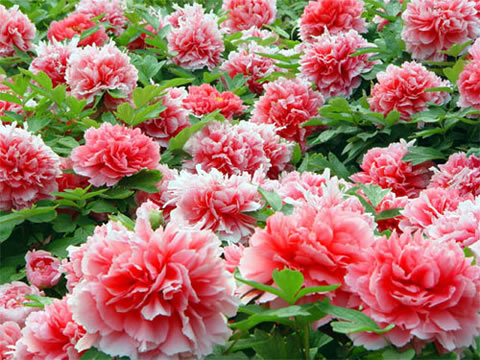
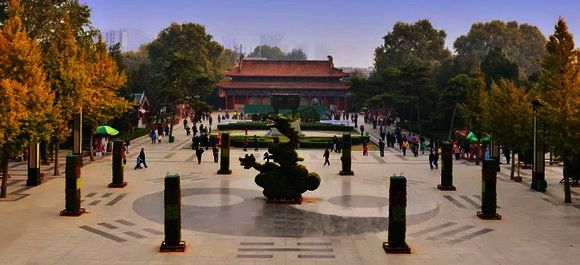
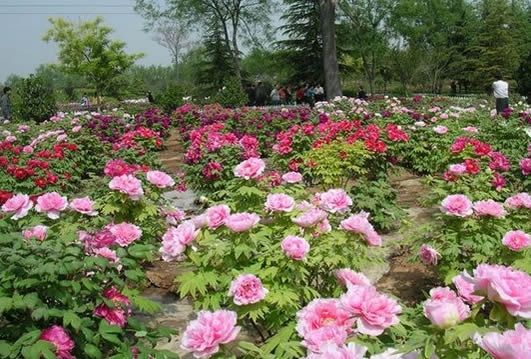
Covering an area of 67 hectares, Wangcheng Park is the largest public park in Luoyang. Wangcheng Park is located on the main road of Luoyang. Each April, during the Luoyang Peony Festival, hundreds of thousands of peonies bloom together in a majestic display of natural beauty.
Besides the Peony Garden, another two major attractions in the park are the Historic Area and the Peony Culture Area. The prime time to enjoy the peony flowers is from April 5 to 20.
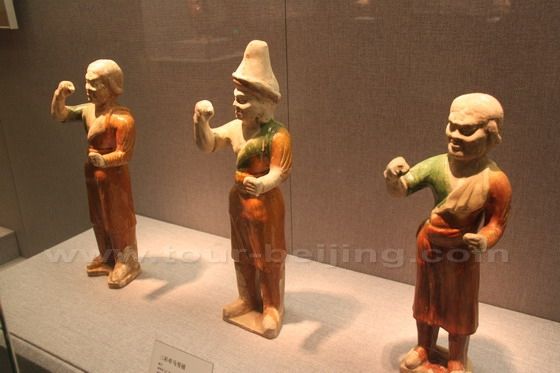
The Museum displays 1,700 cultural relics in five exhibition rooms, which is a reflection of five different social development stages such as the Primitive Society, the Slavery Society, and the Feudal Society. Besides the basic displays, the Museum also holds exhibitions of calligraphy and paintings and so on every year.
Read my another article How to Visit Luoyang Museum for more information.
Luoyang National Peony Garden covers an area of 700 mu and is divided into North Garden and South Garden. The peony is highly reputed for its big flower, flamboyant color, full-bodied aroma and lasting florescence.
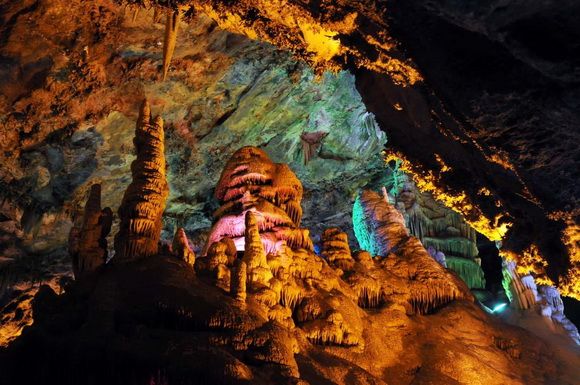
Cockscomb Limestone Cave, which is located at the small Shuangtang Gouge, was discovered during the reign of Qianlong Emperor in the Qing Dynasty.
The Cockscomb Limestone Cave is 1,800 meters long and the area for sight-seeing is about 23,000 square meters. It is divided into 8 sections respectively named Yuzhu Pond, Yicai Palace, Diewei Palace, Shilin Lane, Cangxiu Pavilion, Dongtian River, Yaochi Palace and Juxian Palace.
Baiyunshan National Forest Park, which covers an area of 168 kilometers, is located at the Funiu Mountain Ridge, Southern Song County, Luoyang.
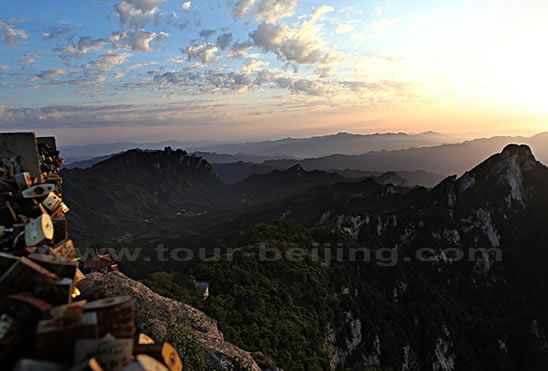
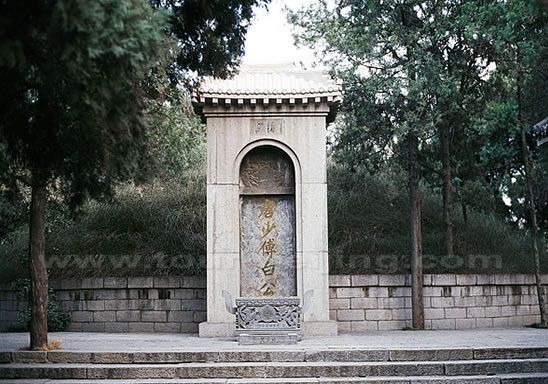
Bai Garden, situated on the Pipa Peak, refers to the mausoleum of Bai Juyi who a well-known Chinese poet lived during the Tang Dynasty.
Covering an area of 44 mu, Bai Garden consists of four parts: the Green Valley District, the Tomb District, Poem Corridor District, and Administration Region. Bai Garden not only offers us beautiful landscape garden, but also serenades the unusual lifetime of Bai Juyi.
If you don’t want to go the do-it-yourself route and prefer the hassle-free escorted tours, here are some options for Luoyang Guided Tours:
Share a question or note for this guide. Comments are reviewed before publishing.
Hand-picked routes matched from this article's destination clues, tags, and categories.
Use these attraction notes to connect nearby sights with tours, destination guides, and planning articles.
Continue planning with practical Beijing guides selected from similar places, themes, and travel questions.
Subscribe to receive Beijing travel ideas and tour updates.