
Call a local advisor
+86 186 1196 4400Email our team
[email protected]Tour Beijing Journal
As a first-time visitor to Beijing, you probably rely heavily on travel...
But if you have already crammed these above-mentioned great sites into your travel plan, or if you want to escape the hoards of tourists and or if you want to mix with the locals and see the authentic side of Beijing, you still have many hidden gems to discover in Beijing.
These non-mainstream things are good alternatives to the classic must-see sights, and equally significant in terms of enjoying and understanding the metropolitan city of Beijing.
Today, we've rounded up some of the top non-touristy things to do in Beijing to get you started. Hopefully these off-the-track treasures are useful in planning your Beijing tour.
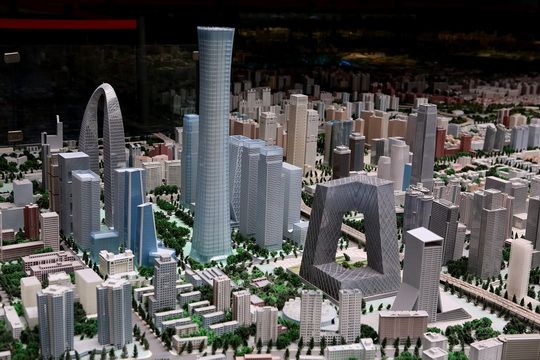
Before kicking off your visit to Tiananmen Square, why not start up a day of sightseeing by having a panoramic view of the city in miniature with vivid knowledge of the city you are going to visit.
Located just on the east of Tiananmen Square, Beijing Planning Exhibition Hall is designed to introduce the long history of the immortal city of Beijing, with 16,000 square-meter floor space distributed on 4 floor levels in the Hall, with 8,000 square meters for exhibits.
It has a large model of the entire Beijing metropolitan area, as well as multimedia exhibits depicting the history, present situation, and future of urban planning in Beijing.
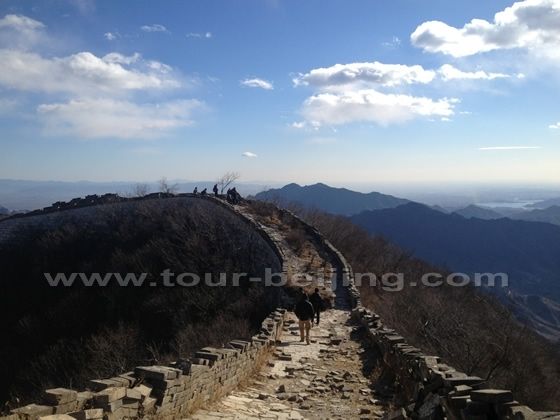
Most of international travellers would choose Mutianyu Great Wall when planning their trip to the Great Wall of China since it ranks as the Top 1 attraction in Beijing by Tripadvisor.
But it will be more gorgeous if you take a walk from Jiankou Great Wall to Mutianyu Great Wall instead of Mutianyu Great Wall only.
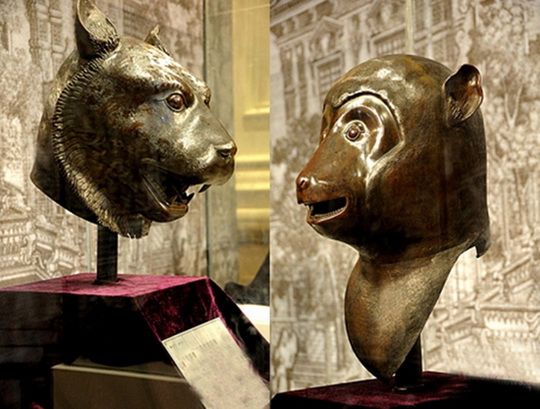
Poly Museum is designed to develop and display traditional national culture and art, and to rescue and protect Chinese cultural relics lost abroad. The museum mainly consists of two parts of the exhibition: bronze and stone carvings.
Most of the exhibits have been retrieved from abroad, and a considerable part has especially high historical and artistic value as they are quintessence or the only existing versions.
It is a well hidden gem in Beijing. Just do not expect any large museum shop or souvenirs, this small museum is really about the collection itself.
Do you fancy the idea of going to church in Beijing? The every 4pm English Catholic mass on Sunday provides the wonderful lyrics, chords and melody at St.Joseph’s Church or Wangfujing Church in Beijing.
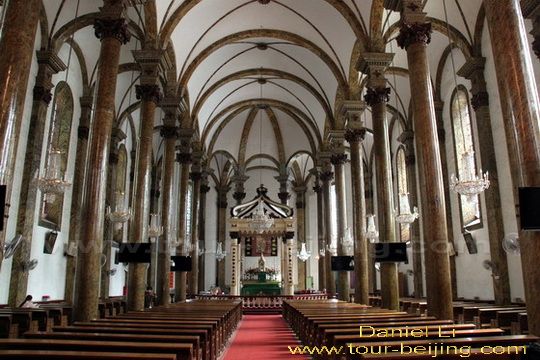
Mass Schedule at St. Joseph’s Parish
Exiting from the northern gate to Forbidden City, you will find the city moat circling the exterior wall. There used to 4 kinds of moat systems in Beijing - the city moats for the Palace (Forbidden City), Imperial City, Inner City and Outer City ranging from Yuan Dynasty (1271-1368), Ming Dynasty (1368-1644) and Qing Dynasty (1644-1911).
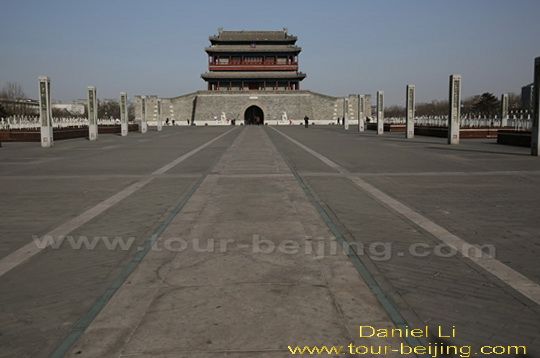
In 1950's, Beijing's moat system was still measured at over 40 kilometres. Today, parts of the inner city's northern moat system, the outer city's southern moat system, the imperial city's moat system and the forbidden city's moat system still remain, and the remaining moats total 31 kilometers.
The local governments have made great efforts in the recent years to protect and preserve the remaining city moats. A major preservation project for the city moats is still on the way, largely improving the walking trails along the banks of the city moats, especially on the Outer City's Southern Moat.
"Hutong" refers to the vernacular buildings ( the old narrow alleys and courtyards ) and traditional residential areas in Beijing.
With the fast urban development of Beijing, more and more "Hutong" is torn down, either going through gentrification or making way for new modern buildings.
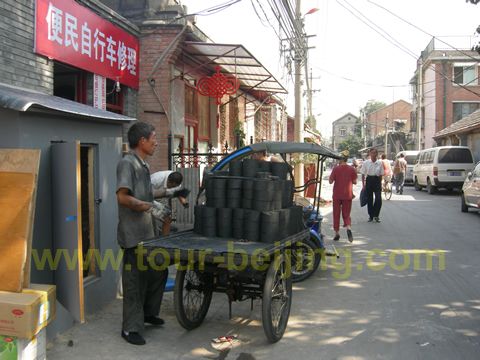
The people living in the real Hutong areas decrease, but currently still a decent proportion of the Beijingers live in crowded alleys and courtyard homes. Strolling though these hutong areas is an eye-opener for you to see a real Beijing.
The more gentrified Nanluoguxiang or Houhai hutongs are good choices for viewing the traditional life in Beijing. Another better alternative is the walk from Liulichang antique street to Dazhalan. See Old Beijing Walking Tour.
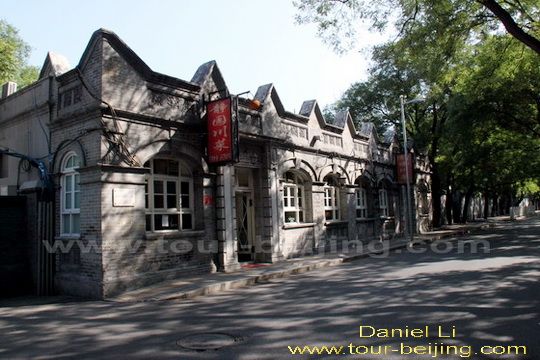
Dong Jiao Min Xiang is a historic site worth your short stroll and glimpse of the European-style buldings left over by the late 19th century and early 20th century foreign powers.
Dong Jiao Minj Xiang ( or Dong Jiao Min Alley ) literally means "East Foreign Residents Alley", which is the longest alley ( hutong ) in Beijing with a total length of 1550 meters.
After he came to the throne (Emperor Yongzheng), he changed his old residence into a temporary palace called "Yonghegong" in 1725. In 1744, his successor, Emperor Qianlong turned the palace into a lama temple. This Tibetan Buddhist Lama Temple is still popularly called Yonghegong.
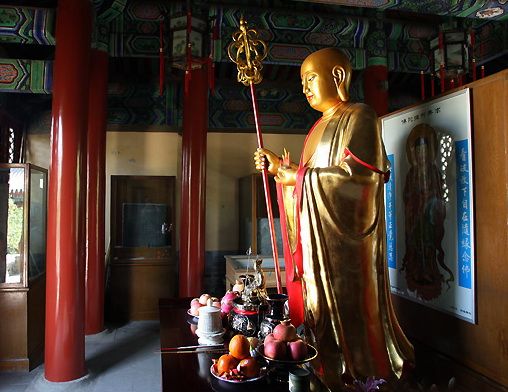
It is not only the oldest Buddhist temple, but also the location for the China Buddhism Institution and China Buddhism Library and Relic Centre, as well as an important venue for nurturing young monks and Buddhism research.
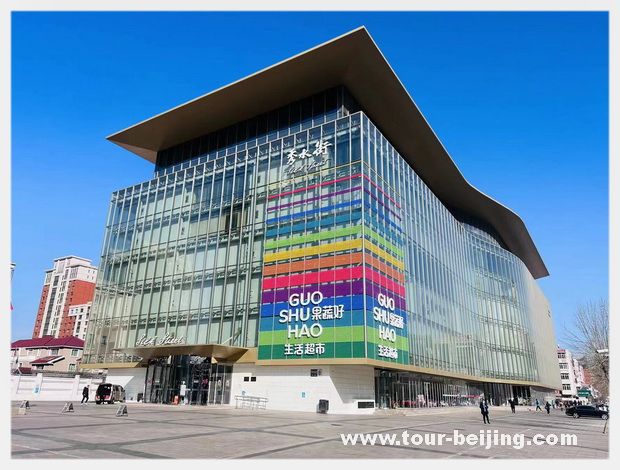
There are now over 500 booths in the building. According to the developer of the building, the advantages of the old market are still kept available in the present market, targeting the international tourists and local white-collar workers.
If you don’t want to go the do-it-yourself route and prefer the hassle-free escorted tours, here are some options for Beijing guided tours:
Share a question or note for this guide. Comments are reviewed before publishing.
Hand-picked routes matched from this article's destination clues, tags, and categories.
Use these attraction notes to connect nearby sights with tours, destination guides, and planning articles.
Continue planning with practical Beijing guides selected from similar places, themes, and travel questions.
Subscribe to receive Beijing travel ideas and tour updates.