
Call a local advisor
+86 186 1196 4400Email our team
[email protected]Tour Beijing Journal
Plan your Great Wall tour? The Great Wall of China is not a continuous...
Plan your Great Wall tour? The Great Wall of China is not a continuous wall. The wall exists in bits. These bits don't form a continuous line. Most of the bits of the remaining Wall have their own names. Usually their names are given with regard to their geographic location, historical factors or the necessity of the local tourism promotion.
It takes you 1 and half hours by car from your downtown hotel in Beijing to the Yunmengshan Great Wall Relic Park, which lies about 90km northeast of Beijing.
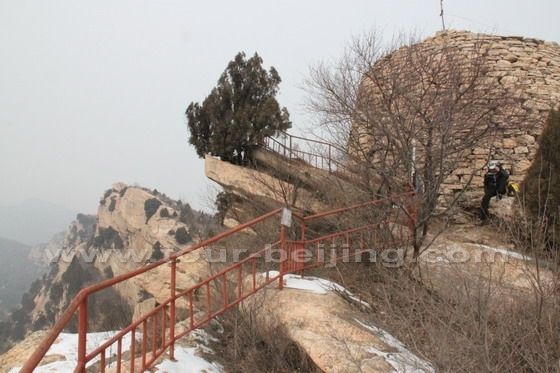
There still exists 3 forts (watch towers) and one beacon tower on the Yunmengshan Great Wall with the beacon tower on the top of the mountain, the final destination of the hiking trip.
To reach the beacon tower on the top, we have to clamber up, passing the 3 forts all the way. The first tower is called "Three Side Building" (altitude: 334m); the second tower "the General"s Tower" (altitude: 402.4m); third tower "Square Building"(altitude:504m) and the final beacon tower has the sea-level of 679.3 meters.
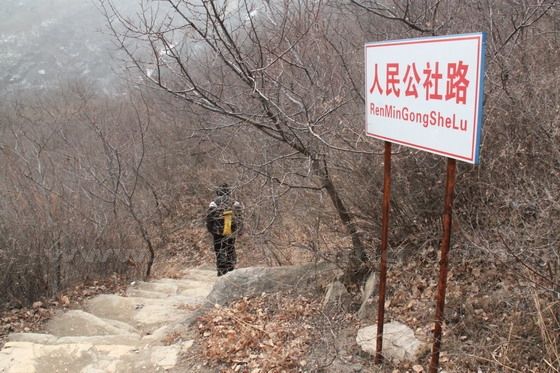
Normally it takes approx. 2 and half hours hiking to the top beacon tower. For most of the time we have to walk along the paved stone step path or a well-trodden walking path paralleling the Wall because Yunmengshan Great Wall is too wild, original and treacherous for you to walk.
In addition, most part of the Wall were built on the steep cliff. The most important is all the wild sections of the Wall around Beijing are protected and forbidden for hiking.
If you are not used to hiking, you can walk to the second tower ( The General's Tower ), then turn back. If you are physically fit for the whole trip hiking up to the beacon tower on the top, you are encouraged to trudge up to the round beacon tower since the view west of the signal tower is stunning - the steep Yunmengshan Ravine behind it!
Well, now follow us clambering up. There are three paths leading from the entrance to the Great Wall - left, middle and right. The right path leads to the first tower; the left path leads to the second tower and the middle path leads to the trail between the first tower and second tower.
We plan to walk along the right path going to the first tower and return along the left path which forks at the second tower to skip over the second and first tower.
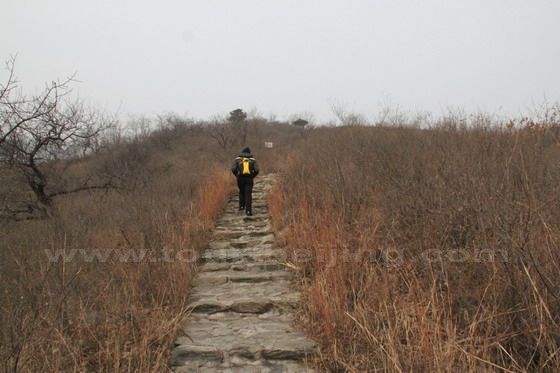
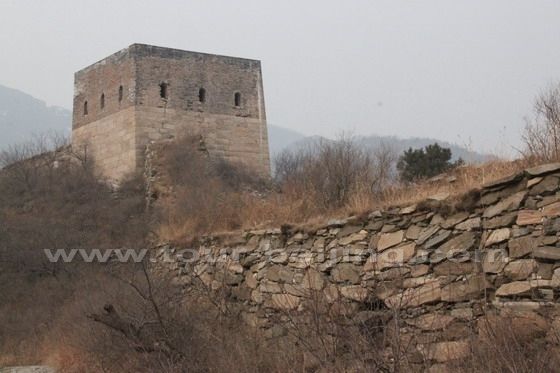
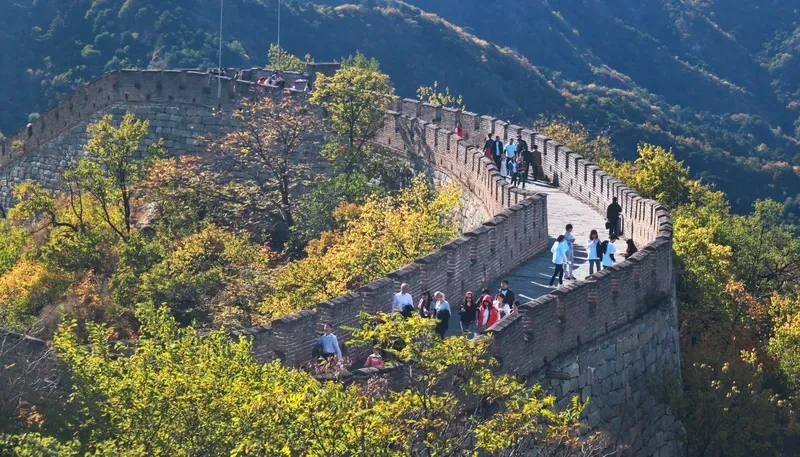
The wall is made of the rock stones used from the local mountain.
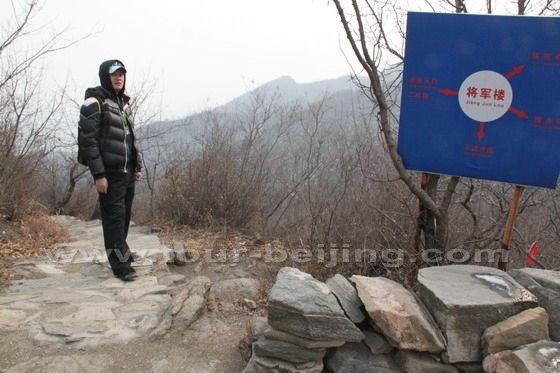
Now we walk from the first tower to the second tower - The General's Tower. The two towers are 450m apart.It is very dangerous walking on the wall.
The surface of the wall is overgrown with bushes and saplings. We jump on the wall and brave ourselves for a few minutes' walking on the wild and treacherous wall.
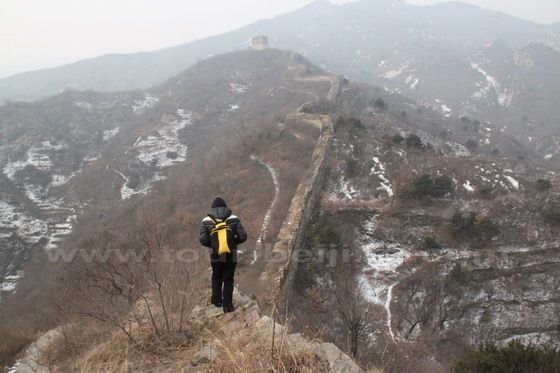
On the way from the first tower to the second tower, for most part, we have to hike along the path by the Wall.

The second tower is in sight. It takes 50 minutes walking from the first tower to the second tower.
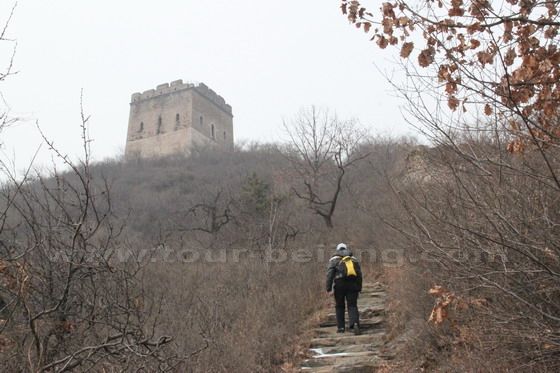
It was a general's tower (将军楼), the headquarters of the local military forces. In Ming Dynasty, each tower held 50 soldiers with a captain to in charge. Every 5 tower had a major and 10 towers had a general in charge.
This tower is square, 10 meters long and high.It has two arrow windows on north and south, three arrow windows on east and west. The lower part is made of stones and upper part made of bricks.
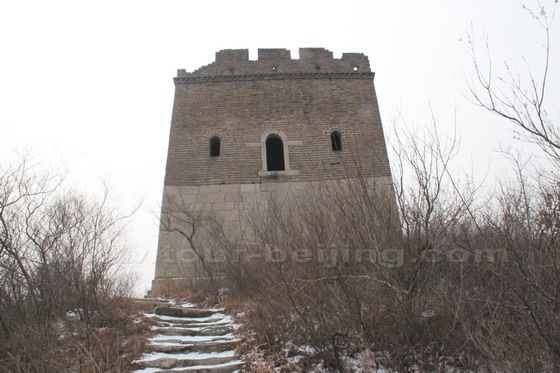
The second tower and the third tower are about 800m apart. This is the most difficult part of the hiking on the trip. It takes approx. 1 and 30 minutes hiking.This section of the Wall is only one fifth walkable on the wall starting from the second tower.
From the second tower to the third tower, for the most of the time, we have to walk on the path by the Wall. The third tower is in sight.
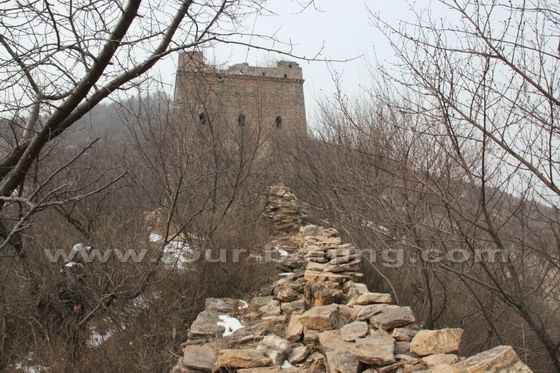
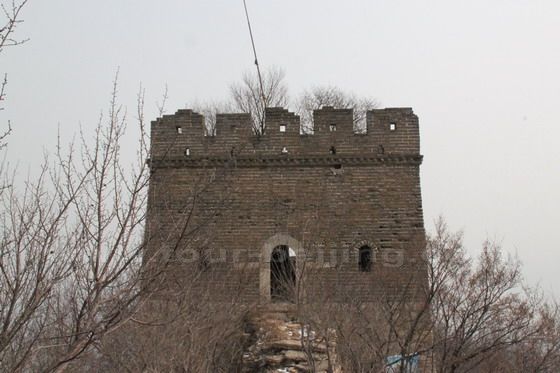
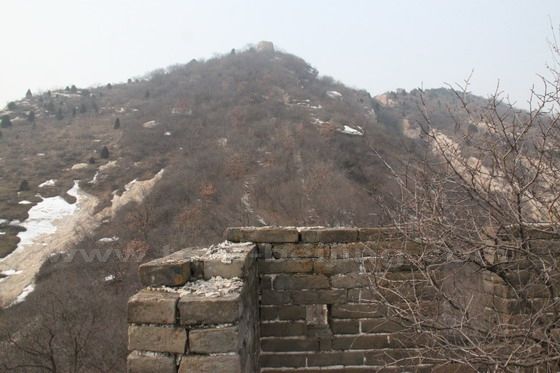
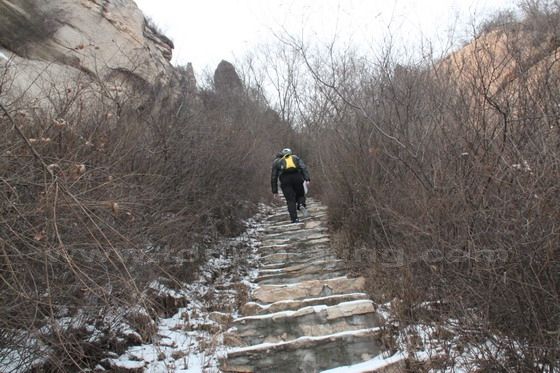
On our right side is the Chestnut Forest Valley with stunning view!

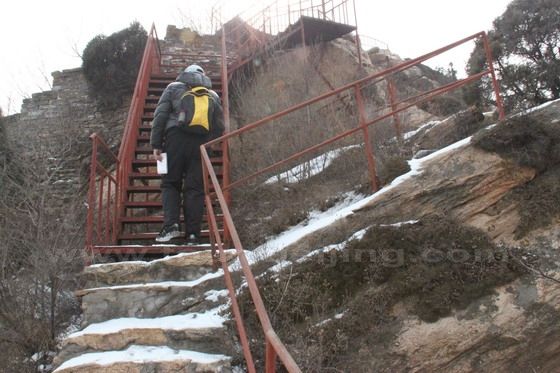
We are approaching the beacon tower.
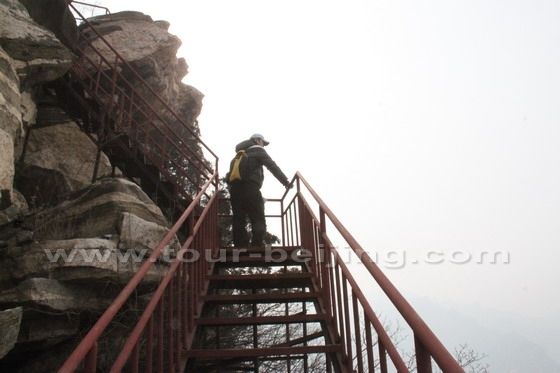
Its stunning view reminds me of my trip to Huangshaun.
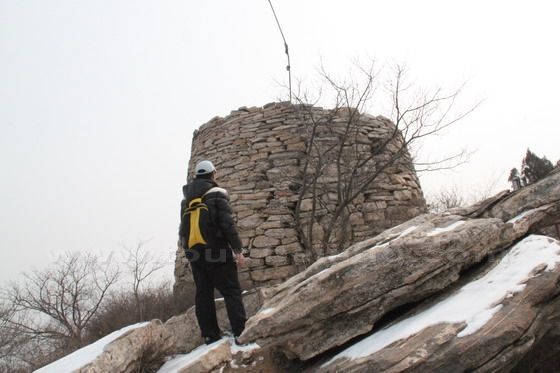
Behind the beacon tower is the Yunmengshan Canyon
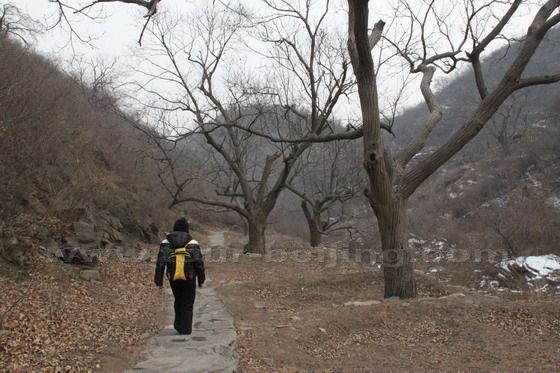
The total hiking trip takes about 4 and 30 minutes.
Share a question or note for this guide. Comments are reviewed before publishing.
Hand-picked routes matched from this article's destination clues, tags, and categories.
Use these attraction notes to connect nearby sights with tours, destination guides, and planning articles.
Continue planning with practical Beijing guides selected from similar places, themes, and travel questions.
Subscribe to receive Beijing travel ideas and tour updates.