
Call a local advisor
+86 186 1196 4400Email our team
[email protected]Tour Beijing Journal
Plan your Xinjiang Tour in autumn? Xinjiang is the largest province in...
Xinjiang is rich in natural resources with a splendor of varied landscapes featuring high mountains, basins, deserts, glaciers, clear lakes with a diversity of plants and animals. If you are going to explore Xinjiang in autumn ( September and October), we'd like to reveal you the top places to see fall foliage in Xinjiang.
The Tuwa people are legendarily the descendants of a Mongolian tribe. They lives on the south bank of the Kanas Lake. Believing Lamaism, Tuwa people are a brave ethic minority with a long history. Tuwa people speak Turkish, like the language of Kazakh, and live on hunting and graze. They also have their own unique folk custom.
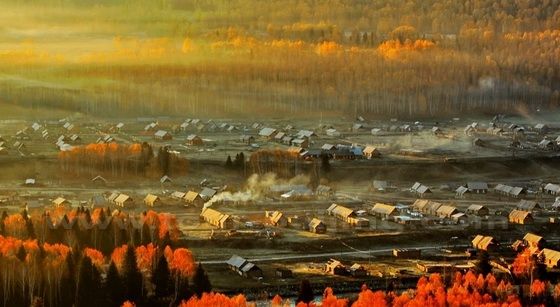
Hemu Village is located on the plain ringed by the mountains on all sides with Hemu River passing through. Outside the villages are rows of diversifoliu poplar trees and birch trees. When autumn comes, layer upon layer of trees" are dabbled with golden colors, a scene of typically primeval forest . Just walking up on the north bank, you look down at the village submerged in the fall foliage, a palette of colors.
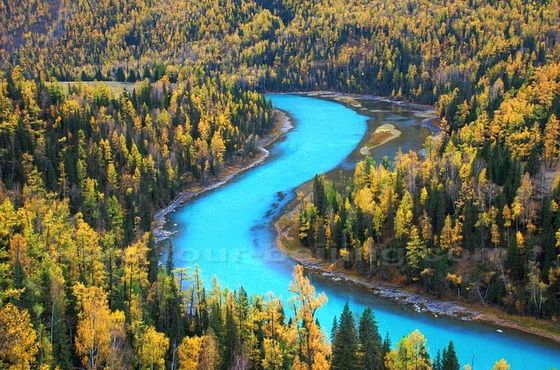
The long bean-shaped lake reflects the surrounding snowcapped mountains. The Kanas Lake in autumn is at its best with the beautiful foliage. Legend has it that huge monsters live in the lake. They often has take away horses and camels drinking into the water by the lake and later swallow them, a similar story of “Nessie Monster”.
Bai Lake features the mirror-like water surface surrounded by the mountains on all the sides with stunning views - glaciers shrouded peaks, flowery grasslands, floating clouds, a magic change of colors. This area has a well-preserved forest of Siberian Siberian Taiga. The rare Xinjiang five leave pine trees. When autumn comes, Bai Lake becomes a fairyland of colors.
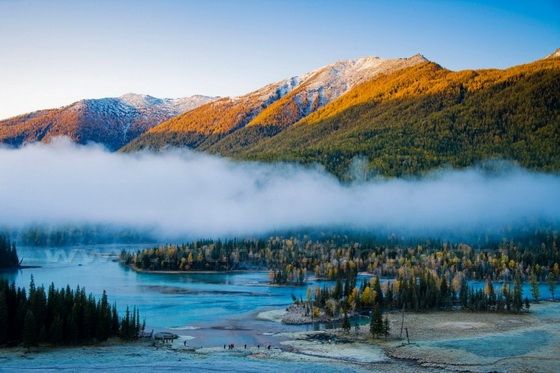
Baihaba Village is divided into three living areas - Mongols and Tuwa people area, Kazakhstan area and the special area for the frontier soldiers. This village features the largest population of Tuwa people with well-preserved Tuwa traditional buidlings and rich Tuwa folk customs. When winter comes, the whole area is blanketed by the mesmerizing autumn leaves.
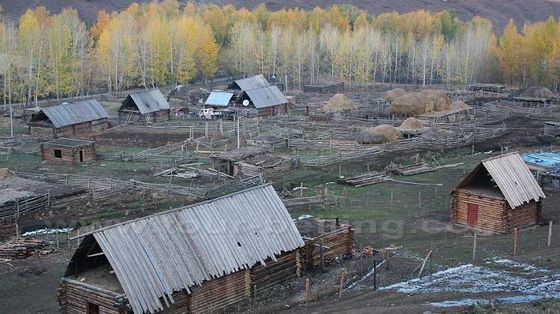
It is said that the poplar trees have an unusual vitality that enables it to survive for 3,000 years by living for one thousand years, standing still for another one thousand years after death, and remaining not rotten for one thousand years. Autumn is the best season to view the autumn hue of poplar trees at Luntai.
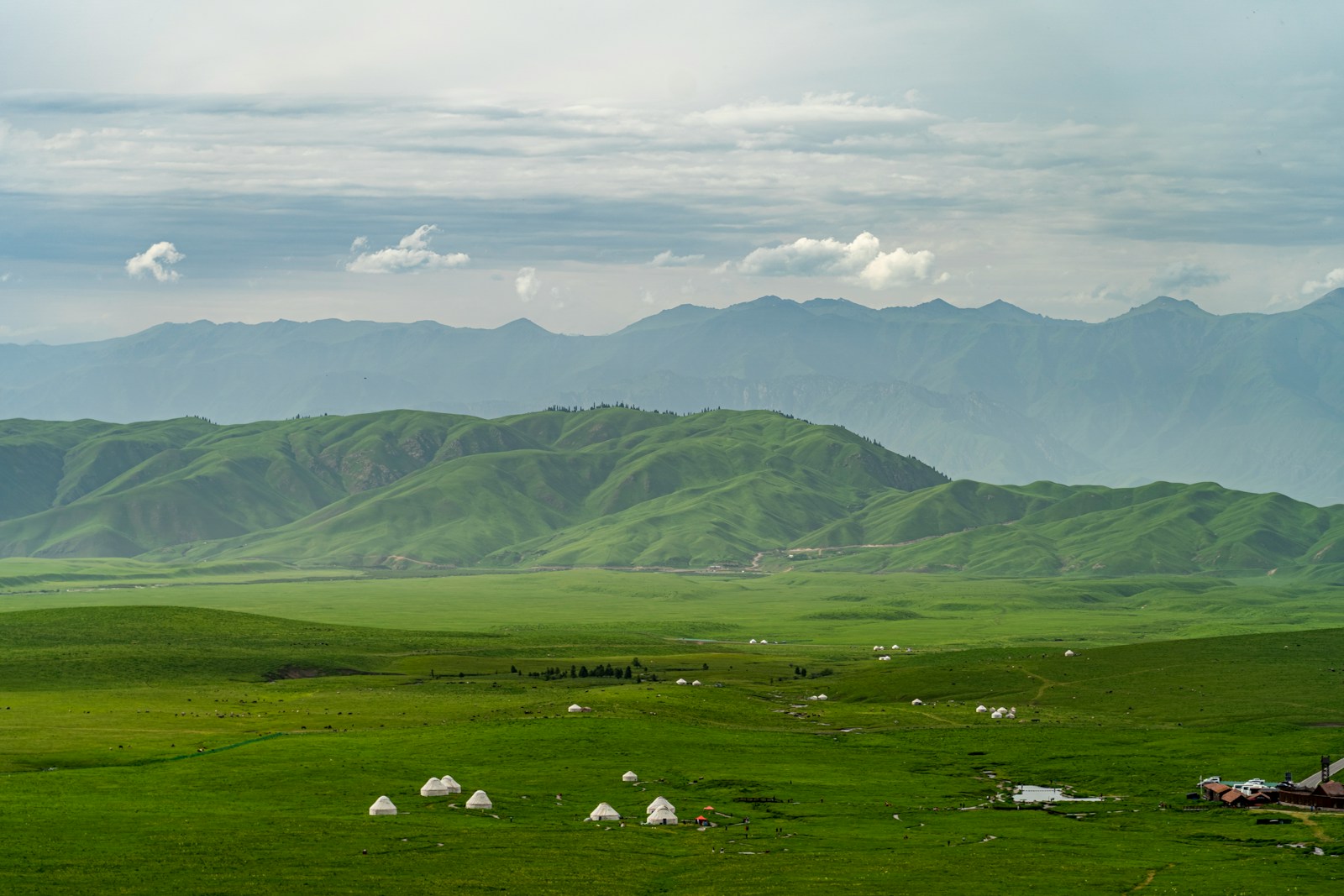
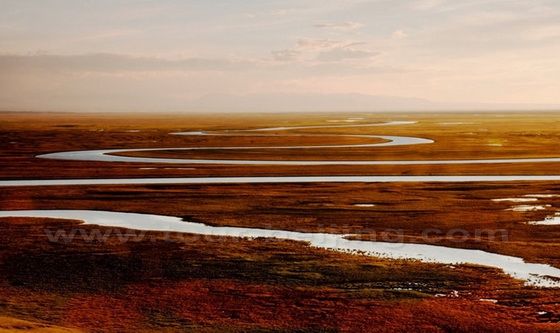
Bayinbuluke literally means “rich with springs” in Mongolian language. Bayinbuluke Grassland is typical of Grass meadow steppe, one of the most important herding and grazing area. The abundant rainfall,coupled by snow melting water, form zigzaging streams and lakes, making it one of the fast grass meadow growing place in Xinjiang. It is actually a huge swamp made up of many small connectedlakes, also a place for Nature Reserve for the swan in China. When autumn comes, the landscape is stunning!
Any questions, just a drop a line.
Share a question or note for this guide. Comments are reviewed before publishing.
Hand-picked routes matched from this article's destination clues, tags, and categories.
Use these attraction notes to connect nearby sights with tours, destination guides, and planning articles.
Continue planning with practical Beijing guides selected from similar places, themes, and travel questions.
Subscribe to receive Beijing travel ideas and tour updates.