
Call a local advisor
+86 186 1196 4400Email our team
[email protected]Tour Beijing Journal
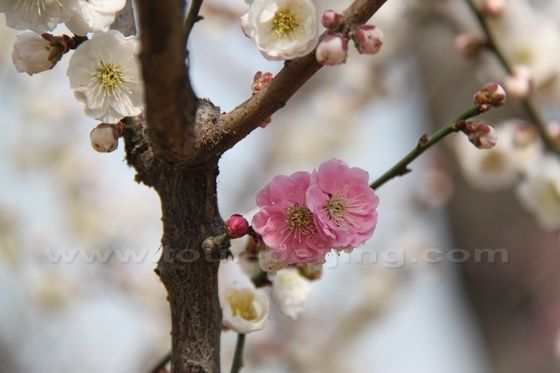
Spring flowers in Beijing start to bloom in late March till mid-May. The...
Spring flowers in Beijing start to bloom in late March till mid-May. The less than two-month spring flower blossoms transform Beijing from its cold and barren winter into a warm and flowery spring. People are out for their favourite spring flowers which are are blooming everywhere in and around Beijing.
If you happen to visit Beijing during the spring flower blooming season in Beijing, you are recommended to view the the following spring flowers whose blooming periods may match your Beijing tour time.
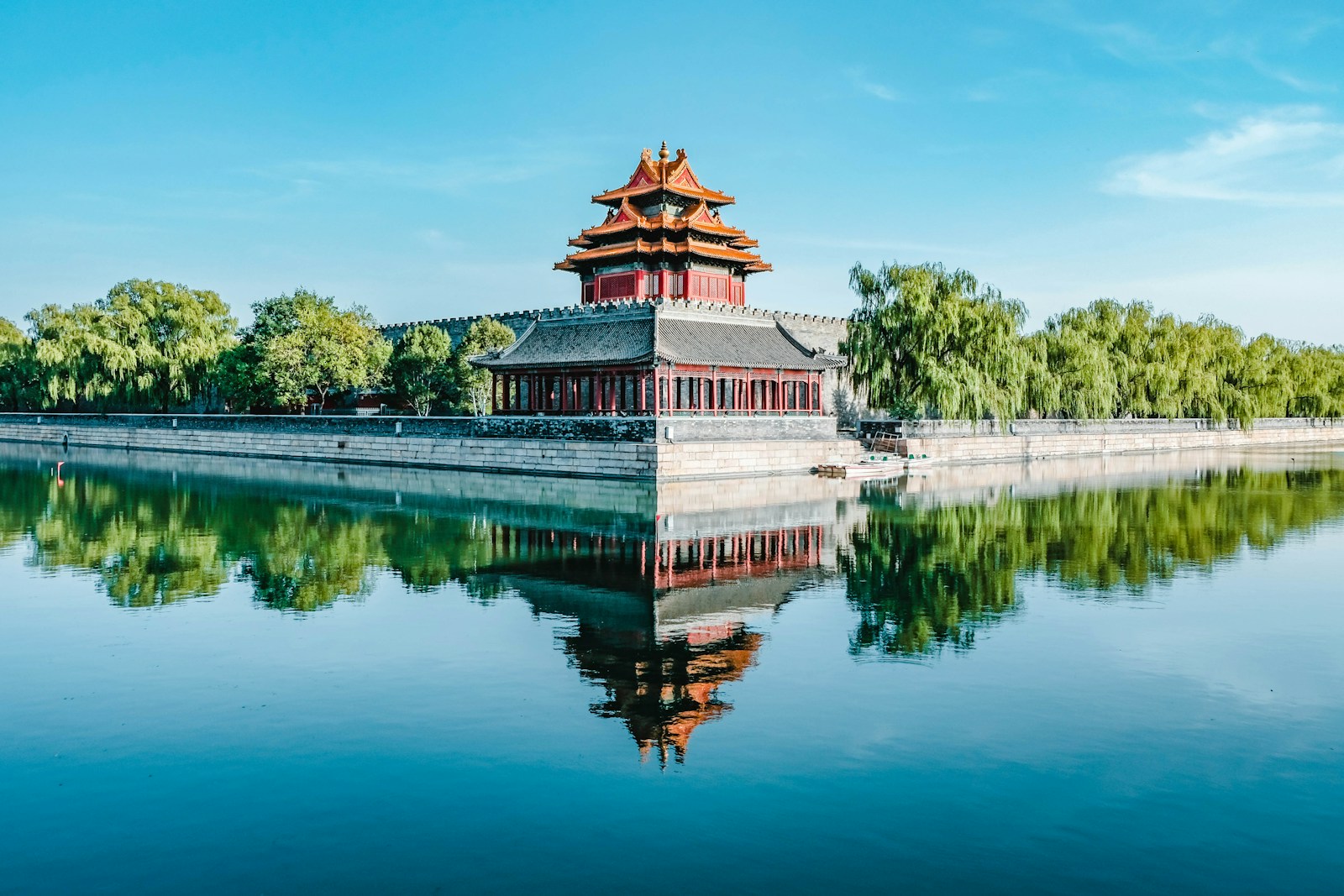
The park is the only remaining city wall relics built during the Ming Dynasty (1368-1644) in Beijing. The remnant city wall is about 1.5km in length, which is composed of the wall relics itself and the southeast corner tower of the former inner city in Ming and Qing Dynasties.
The Apricot was first cultivated in India in about 3000 BC. It is said that apricot had a wide native range including Armenia, Caucasus, the Himalaya, China and Japan.
The flowers have five white to pinkish petals 2–4.5 cm in diameter; they are produced singly or in pairs in early spring. The fruit is a drupe likening to a small peach, 1.5–2.5 cm diameter from yellow to orange. The single seed is enclosed in a hard stony shell.
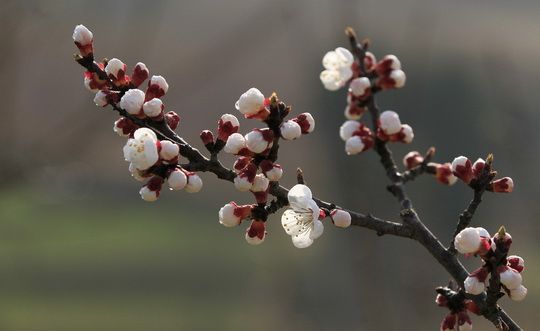
The Chinese people often associate the apricot with education and medicine. For example, the classical word “Apricot Altar” which means “educational circle”, is still widely used in written language. About 2500 years ago, the greatest Chinese scholar -Confucius often taught his students among the wood of apricot used as a forum, hence”Apricot Altar”.
Cherry flowers have a short blooming period – only two weeks. The Cherry Blossom Festival at Yuyuantan Park is very famous. The park almost becomes a temple fair every year at flowering time.
About 2,000 cherry trees were transplanted from Japan to China in the 1970s as a token of friendship between the two countries. There could be a lot of people, but you will find that it’s worth visiting when you view the stunning blossoms.
Yuyuantan Park is located in the western part of Beijing city proper, just next to Diaoyutai National Guesthouse in the East, the CCTV transmitting tower across the street and to Chinese Century Monument in the South.
Magnolia is an ancient genus. The Yulan magnolia, is native to central and eastern China. It has been very often cultivated in the buddhist temple gardens in China since 600 AD. It was also planted in the courtyards or the open fields within the Emperor’s palaces. Its flowers are regarded as a symbol of purity. The 10–16 cm white flowers are beautiful and thick with a citrus-lemon fragrance.
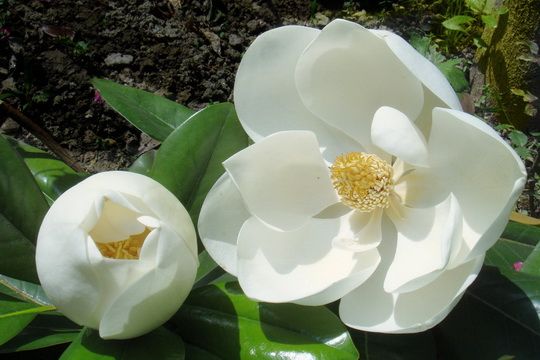
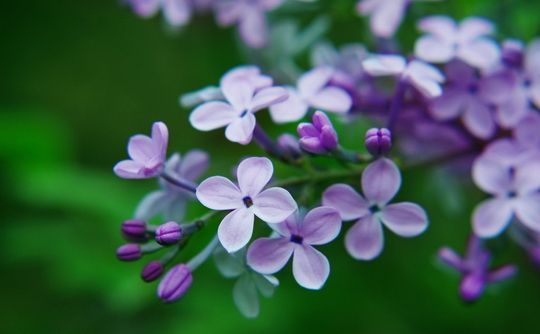
The lilac trees are in bloom in spring. The flowers are 5–10 mm in diameter with a four-lobed corolla. The usual flower colour is a shade of purple, but white and pale pink are also found. In China lilac flowers are often found in Buddhist temples, a symbol of purity.
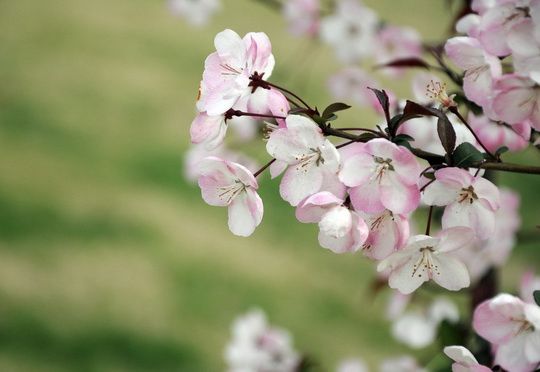
The elegant Chinese flowering crabapple blossoms are regarded as the famous flowers loved by people with both refined and popular tastes. In Chinese royal gardens, Chinese crbapple flowers are often accompanied by Yulan Magnolia, peony and Osmanthus, forming a artistic concept of “Wealth and Nobility”.
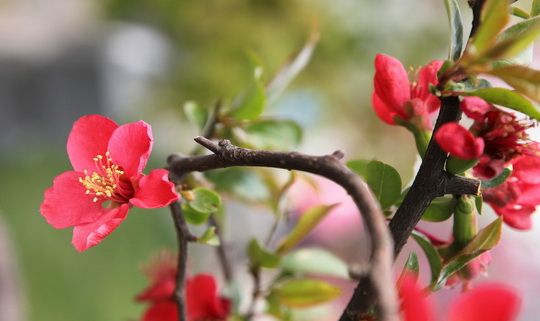
Yuan Dynasty City Wall Relics Park, built on the original city wall relics in Yuan Dynasty ( 1271-1368 ) is about 9 kilometers long crossing Haidian and Chaoyang districts from west to east. Every year the park will hold its Chinese Flowering Crabapple Festival, which will draw thousands of visitors to appreciate the grand view of over 2000 flowering Chinese Crabapple trees with a dozen of varieties.
The peach is known as a species native to China. It was introduced to Persia and the Mediterranean region along the Silk Road before Christian times. The peach trees are in bloom in early spring, solitary or paired, 2.5–3 cm diameter, pink, with five petals. The peach often plays an important part in Chinese tradition and is symbolic of long life.
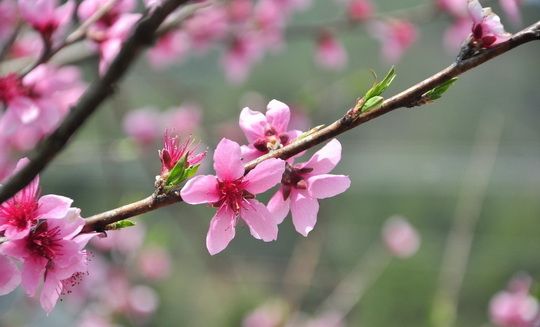
Pinggu District, northeast suburban district of Beijing, is the home of the world’s largest peach orchard. The orchard occupies about 20,000 hectares of trees that bear the crisp, sweet fruit, but the area also produces strawberries, plums, apricots and pears. The orchard’s stature is listed in the Guinness Book of World Records.
With a nickname of “heaven fragrance and national beauty”, Peony flowers are reputed as the most elegant and poised, the king of the flowers in China.
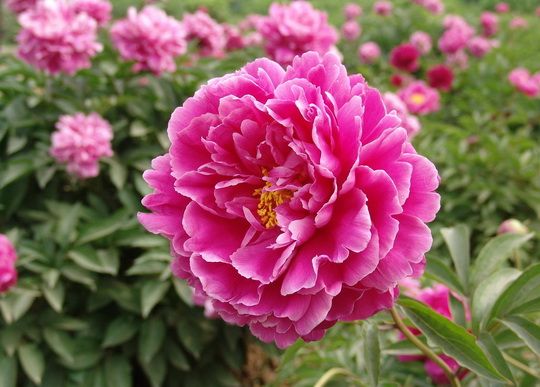
Jingshan Park has long been famous for its traditionally imperial peony blossoms as well as the those from Luoyang, Heze and many more with over 150 categories of peony flowers.
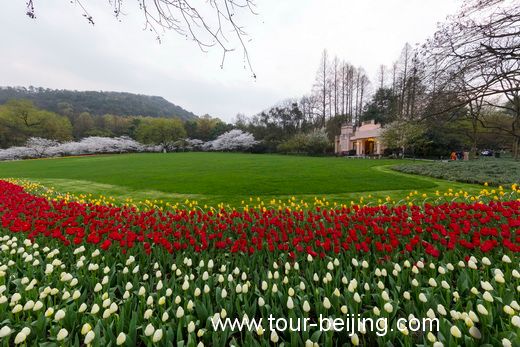
The is one of the world’s most easily recognized and loved flowers. Tulips are a comfortable flower choice and one that expresses perfect love. Tulip flowers have 3 inner petals and 3 outer sepals that look much like petals. A gift of tulips is a sure delight, enchanting in its beauty and simplicity. Different colors of tulips also often carry their own significance: Red – true love; purple – royalty; yellow tulips – cheerful thoughts and sunshine; white tulips – forgiveness.
Jinzhan Tulip Garden covers an area of 260,000sq.m. It is divided into 3 sections – production section, display section and service section. The production section the place where plants and flowers are nursed. Display section is the site for people to view tulips in bloom while service section is for people to have a break and have some drinks or meals in the restaurants. Some people call the place Beijing’s Garden of Eden.
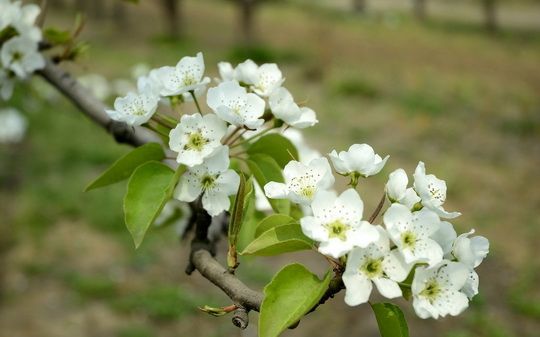
The pear flowers are white, rarely tinted yellow or pink, 2–4 cm diameter, and have five petals. The best place to view pear blossoms is Panggezhuang in Daxing District, the south suburban district of Beijing. Daxing is not only famous for watermelon but also pear planting.
If you don’t want to go the do-it-yourself route and prefer the hassle-free escorted tours, here are some options for guided tours to Beijing:
Share a question or note for this guide. Comments are reviewed before publishing.
Hand-picked routes matched from this article's destination clues, tags, and categories.
Use these attraction notes to connect nearby sights with tours, destination guides, and planning articles.
Continue planning with practical Beijing guides selected from similar places, themes, and travel questions.
Subscribe to receive Beijing travel ideas and tour updates.