
Call a local advisor
+86 186 1196 4400Email our team
[email protected]Tour Beijing Journal
Visiting Gansu Provincial Museum is a must for every foreign visitor coming...
Visiting Gansu Provincial Museum is a must for every foreign visitor coming to Lanzhou on their trip to the ancient Silk Road in China.
The Gansu Museum is a three-storey building with an area of 28000 square meters. The museum has an exhibition floor of 9000 square meters as well as a warehouse of 7600 square meters.
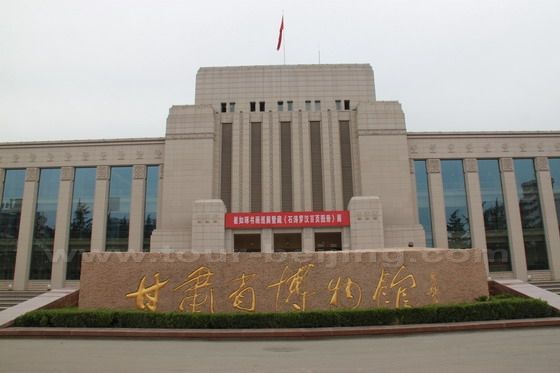
The museum is open from Tuesday to Sunday from 9:00am to 5:00pm. Entrance admission stops at 4:00pm. Though the entry into the museum is free of charge, you have to show your ID card at the ticket office by the gate to exchange for a free ticket.
Every morning (Monday closed) only 600 visitors and every afternoon ( Monday closed) only 400 visitors are allowed to enter the museum. If you travel on a group, your group have to reserve the tickets. So you travel independently, you are advised to go to the museum a little bit earlier to avoid the possible crowds of tourists.
Visitors have to go through security check before entry.
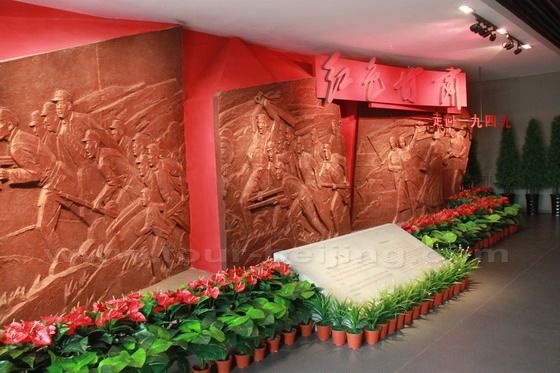
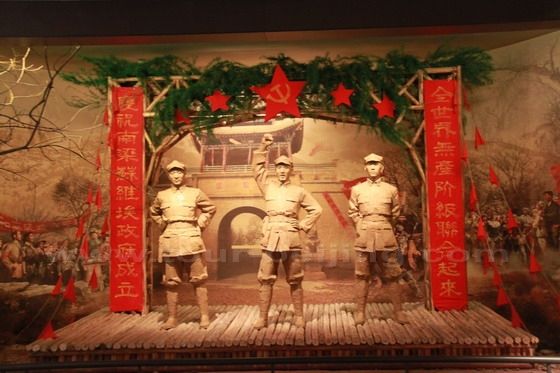
Gansu Museum is one of the big comprehensive museums in western China. It has three floors with the first mainly designed for makeshift exhibitions on display with different themes. At the time of my visiting, I found the first floor was allocated for the Red Army's Long March via Gansu.
This section gives you a chance to trace back the revolutionary history of Gansu, feel its rich historical and cultural commotions.
The second floor is largely focused on the ancient Silk Road along Hexi Corridor. The communication between the East and the West started from very early days and continued all the time. In the 2nd century BC, Wudi Emperor of the Han Dynasty dispatched Zhang Qian to the Western Region, such opend a trading road, and also a cultural corridor featured for the silk trade across Asia, Africa and Europe from Chang"an to Rome.
The real communication in the aspects of economy, politics and culture between China and Western countries began breaking through the geographical barrier, enriching and accelerating the development of the world civilization. This road was first named as "Silk Road" by German Geographer F. Von Richthofen 1870s.
With this blend, the nomadic tribes connected the various oasis in the desert and central Asia, played an important role as go-between of the cultural exchange between the East and the West.
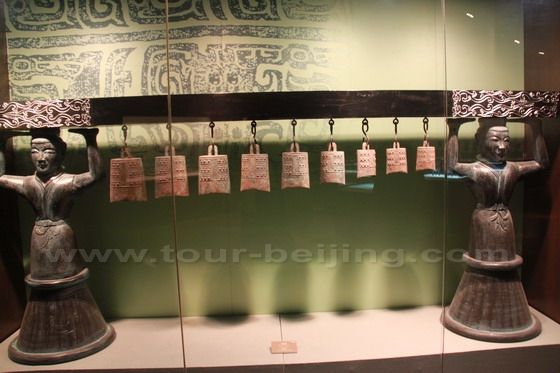
The ancient chime bells built in Han Dynasty unearthed
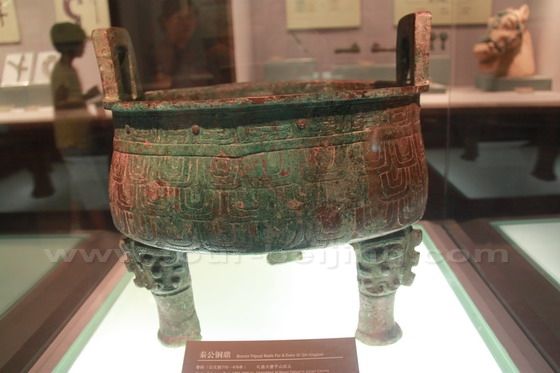
Bronze Tripod made for the duke of Qin Kingdom
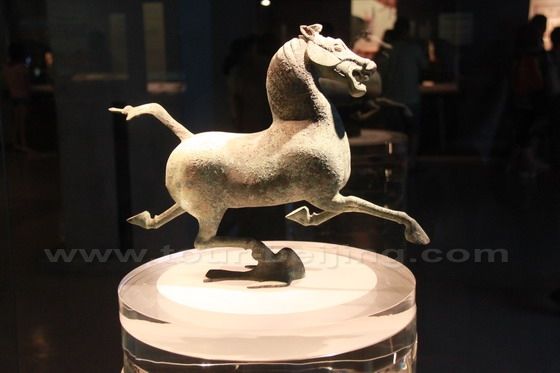
Bronze Galloping Horse Treading on a Flying Swallow is a bronze artwork of the Eastern Han Dynasty. In 1984 the National Tourism Administration chose the Galloping Horse Stepping on a Flying Swallow as a candidate of its logo.
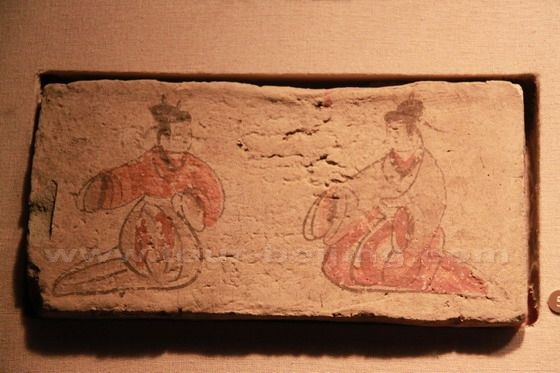
Mural paintings inside the Wei and Western Jin mural tombs around Jiayuguan in the Hexi Corridor.
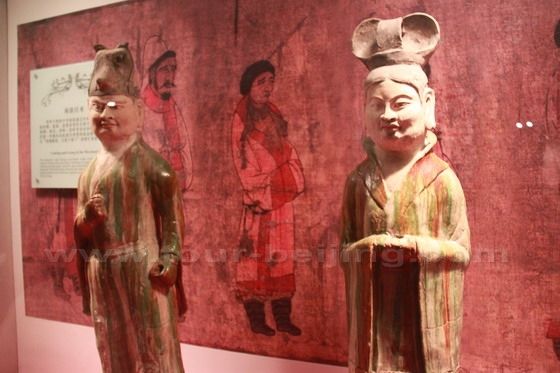
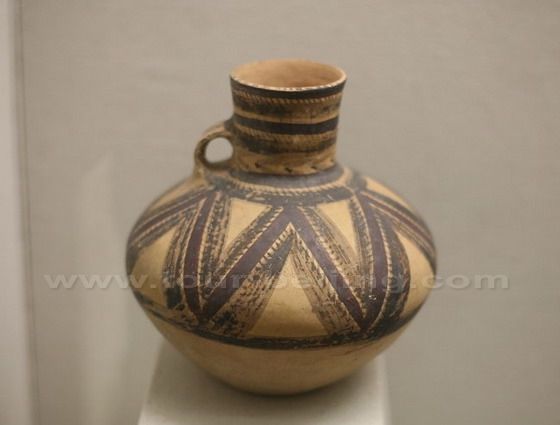
Tang dynasty triple colored porcelain.
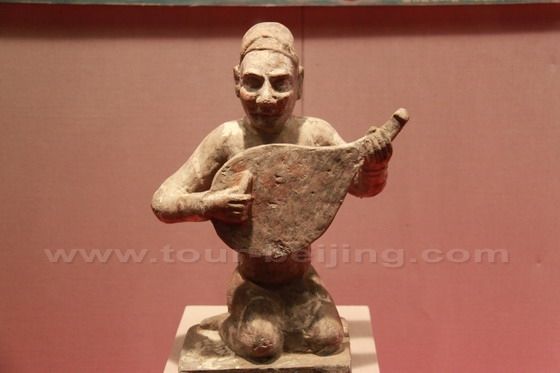
Musician from Western Region
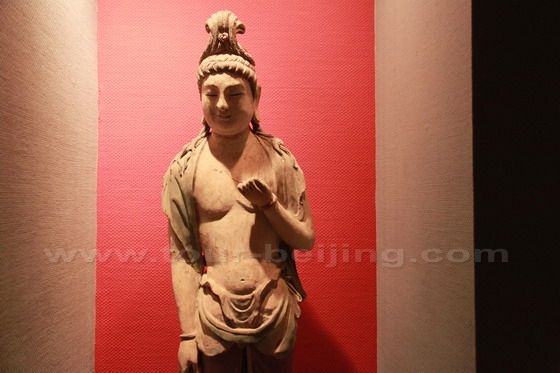
Buddha Statue from the grottoes built in the Tang Dynasty
The earth was formed 4.6 billion years ago and the intense shake ended 3.9 billion years ago, then an ocean appeared. Amicroorganism community based aminophenol came forth million years passed.
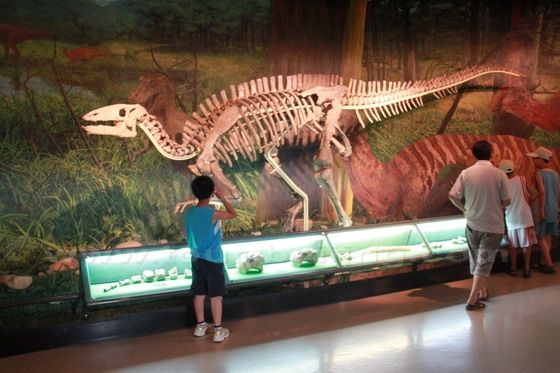
However, the appearance of human being is just a moment of the endless evolution of the earth. Fossils have recorded a history of the life evolution by various forms since the original lives appeared on the earth.
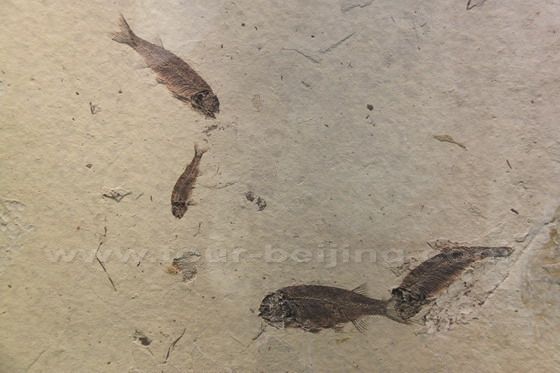
Fish Fossil
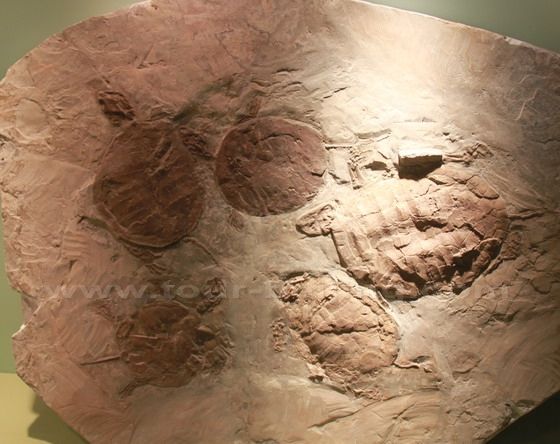
Turtle Fossil
Fossils
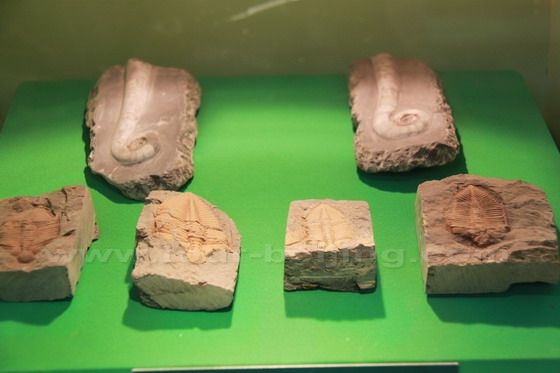
Dragon Skeleton
Share a question or note for this guide. Comments are reviewed before publishing.
Hand-picked routes matched from this article's destination clues, tags, and categories.
Use these attraction notes to connect nearby sights with tours, destination guides, and planning articles.
Continue planning with practical Beijing guides selected from similar places, themes, and travel questions.
Subscribe to receive Beijing travel ideas and tour updates.