
Call a local advisor
+86 186 1196 4400Email our team
[email protected]Tour Beijing Journal
Plan your Suzhou tour? Suzhou is just less than a 30-minute highs peed...
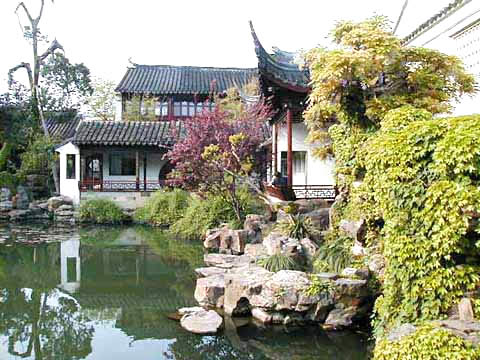
One of the must-see attractions in Suzhou is the Humble Administrator’s Garden (拙政园), crowned as the World Cultural Heritage Site along with other classical gardens of Suzhou.
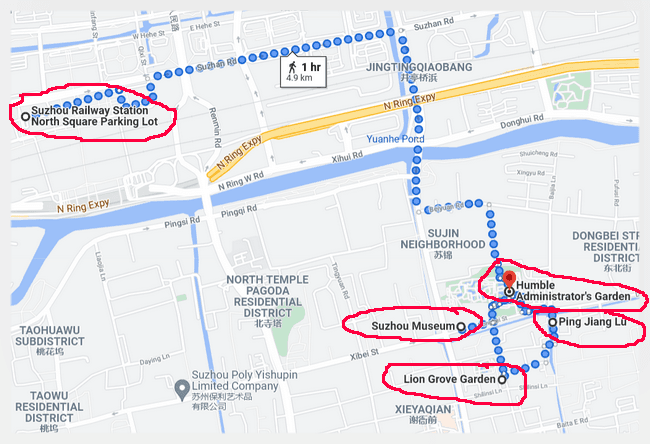
So basically you can cram these attractions together with the Humble Administrator's Garden on a day tour in Suzhou.
The Humble Administrator's Garden is easily accessible by public buses – Tourism Bus No.01, Tourism Bus No.02, Bus No.313 and get off at the stop of Suzhou Museum (苏州博物馆) since Suzhou Museum is very close to both the Administrator’s Garden and the Lion’s Forest Garden.
The Humble Administrator’s Garden is one of the four most famous private gardens in Suzhou together with the Lion’s Grove Garden, Canglang Garden and the Lingering Garden. The Humble Administrator’s Garden is typical of the classical gardens in Ming Dynasty.
The garden’s original site can be traced back to the residence and garden built by a scholar named Lu Guimeng in Tang Dnasty. In Yuan Dynasty, the site was turned into a temple called Dahong Temple. In 1509, a retired imperial envoy in Suzhou named Wang Xiancheng purchased the temple and began to build the garden.
Wang Xiancheng worked on the garden in collaboration with the local famous artist, his friend, Wen Zhengming. The garden was named “the Humble Administrator’s Garden to express his desire to keep from politics and enjoy a carefree life – planting trees, growing vegetables, building his own houses.
It took 15 years to complete. After his death, Wang Xiancheng’s son lost the garden to pay for his gambling debt. In the past 400 years, the garden changed many hands. In 1949 all the garden were rejoined and restored to its original site in 1952. In 1997 the garden was listed as UNESCO world heritage site.
The Humble Administrator’s Garden is mainly composed of three parts set about around a lake – East Part, West Part and Central Part. The East Part is called “Guitianyuanju” which literally means Living After Returning to the Countryside. The East Part features the pavilions, Pine trees and the lawn and Pinggangyuan Hill.
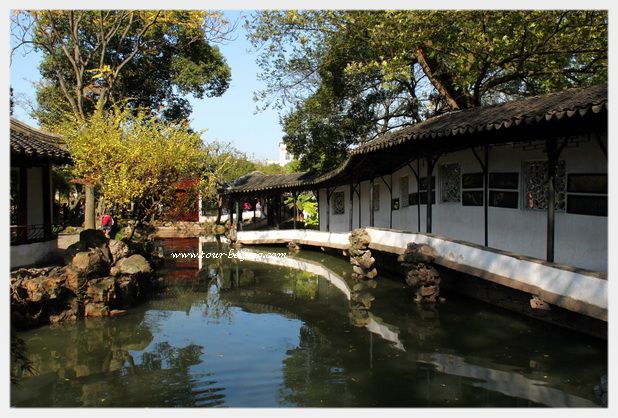
The West Part is known as “Subsidiary Garden”. It consists of the ponds, rockeries, the water corridor and the streams, the masterpiece of Suzhou classical gardening.
The Central Part is the main garden of the Humble administrator’s Garden set around a lake. The pavilions and the rockeries are built around the lake, featuring the water town in the Yangtze River Delta.
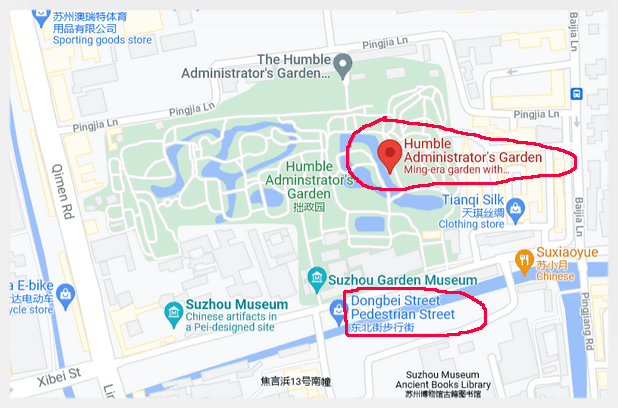
The Humble Administrator’s Garden is located along the Dongbei Pedestrian Street (178 Dongbei Jie).
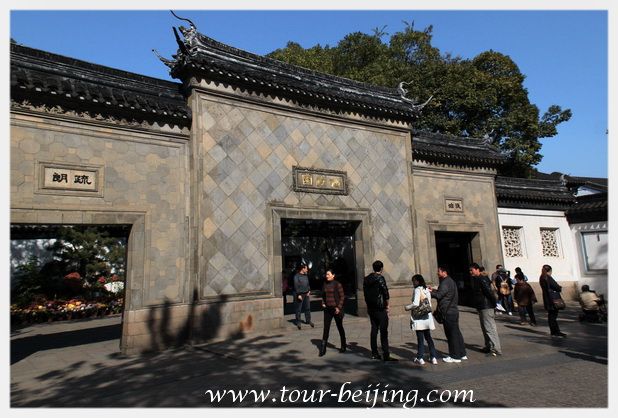
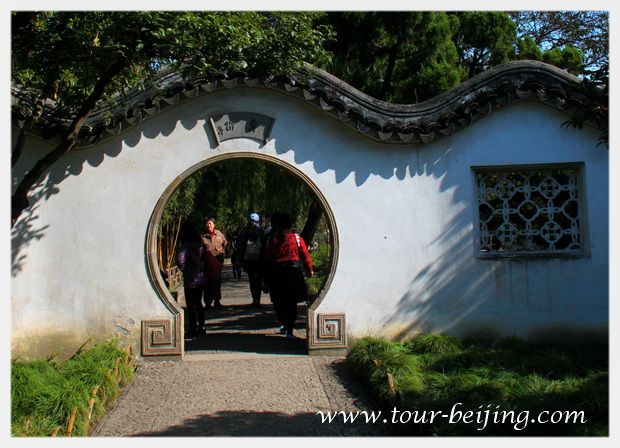
The main entrance (south) to the Humble Administrator’s Garden.
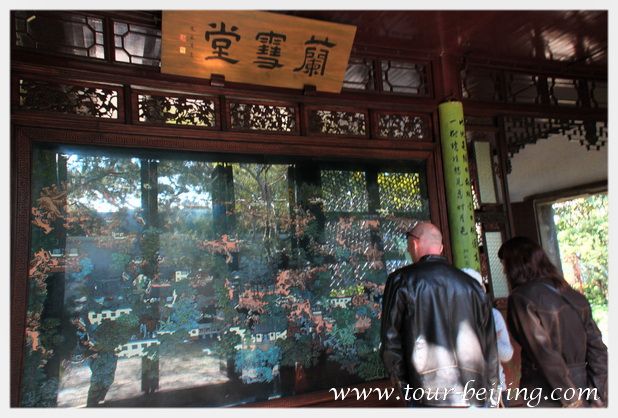
Entering the main gate, you are in the eastern part of the garden and you will first visit Lanxuetang Hall where there is a panoramic map of the the Humble Administrator’s Garden. Lan Xue Tamg Hall is the first scene of the garden tour.
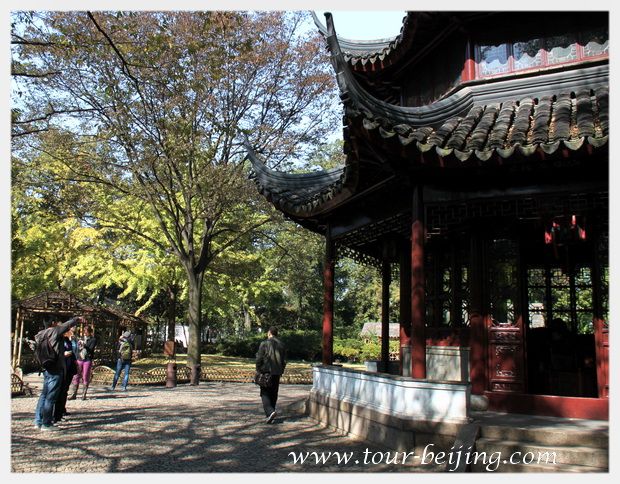
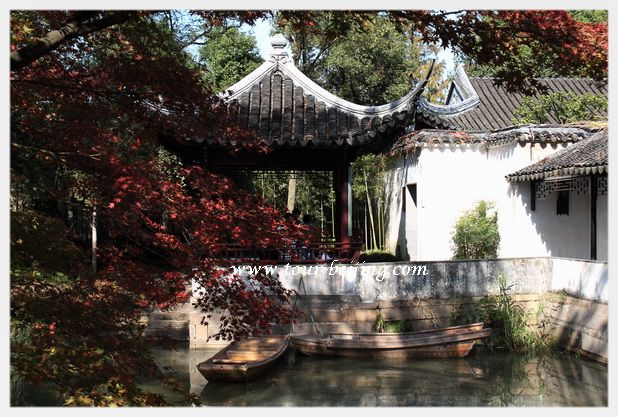
Furong Pavilion (芙蓉榭) is a square landscape building in the east of the Humble Administrator's Garden. It is located in the north of the main hall LAN Xue Tang and the east end of the big lotus pond.
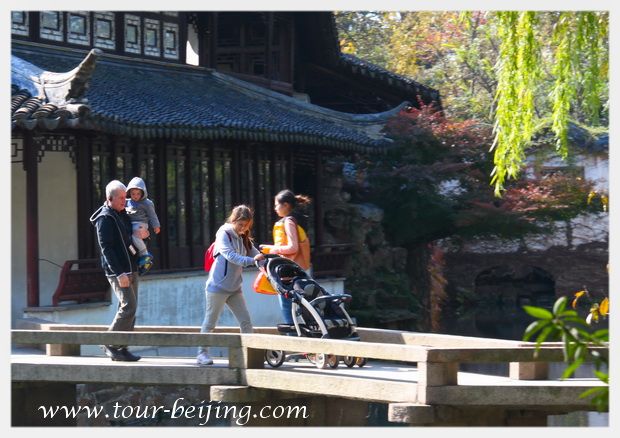
The lake view borrows the North Pagoda outside the garden. The zigzag bridge, the pavilions, weeping willows and the lake.
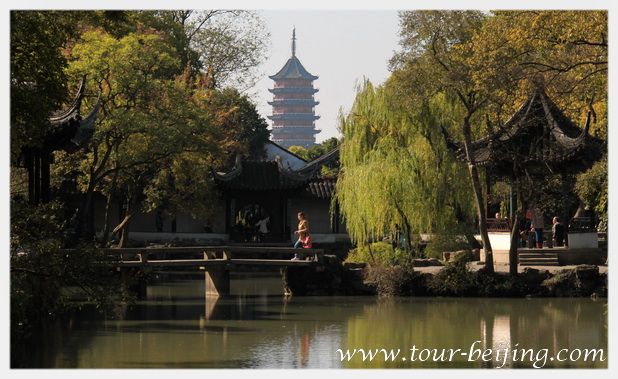
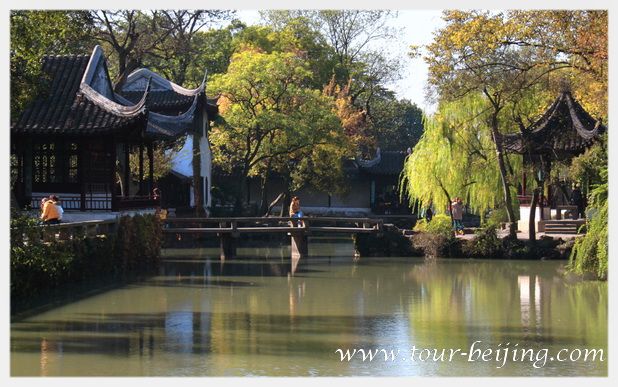
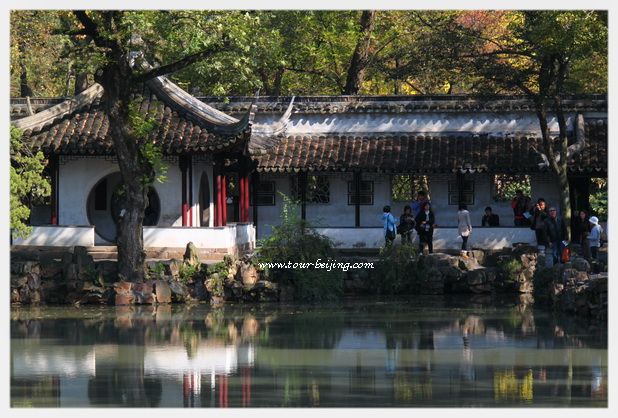
The central garden is set out around the lake. The long corridor runs along the lake and the willow trees with reflections the water.
If you don’t want to do a self-guided tour and prefer the hassle-free escorted tours, here are some options for organized tours to Jiangsu Province:
Share a question or note for this guide. Comments are reviewed before publishing.
Hand-picked routes matched from this article's destination clues, tags, and categories.
Use these attraction notes to connect nearby sights with tours, destination guides, and planning articles.
Continue planning with practical Beijing guides selected from similar places, themes, and travel questions.
Subscribe to receive Beijing travel ideas and tour updates.