
Call a local advisor
+86 186 1196 4400Email our team
[email protected]Tour Beijing Journal
Walking on the pathways of Colonel By Drive along the Rideau Canal in...
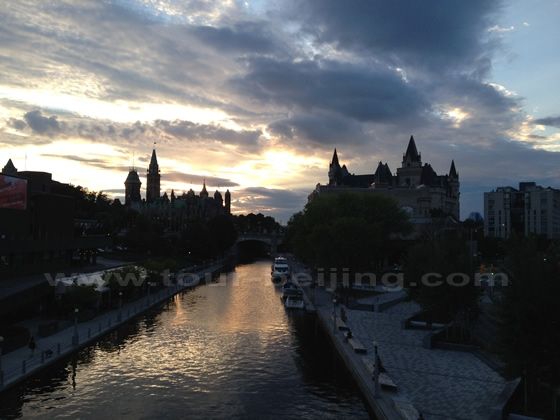
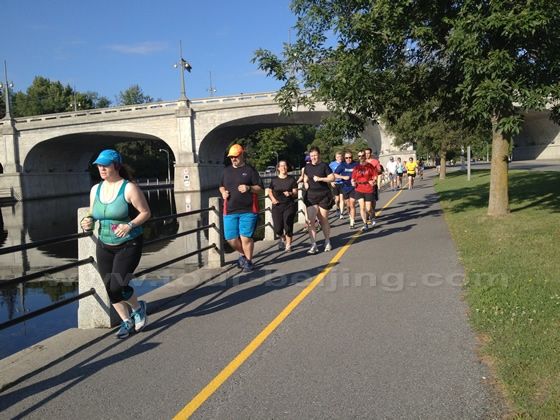
Walking on the pathways of Colonel By Drive along the Rideau Canal in Ottawa, Canada,I’m really amazed by the peaceful and harmonious scene between man and nature: with clear water, Rideau Canal is sided by the shared cycle and pedestrian pathways and green belts, which are enlivened by people jogging, biking, skating, canoeing, rowing, sightseeing cruise and fishing.
In winter, Rideau Canal will be turned into a skateway, the longest skate rink in the world. The skateway and the network of the recreational pathways of Rideau Canal traverse the capital city of Canada roughly from north to south, uniquely linking the green spaces, the urban core, which was created thanks to the vision of Douglas H.Fullerton (Chairman at National Capital Commission 1969-1973).
The initial purpose of the Rideau Canal was totally military, aimed at providing a secure supply and communications route between Montreal and the British naval base in Kingston to deter any American invasions of Canadian territory after the War of 1812, a 32-month military conflict between the United States and Great Britain.
Later the canal once also served a commercial purpose. The Rideau Canal was easier to navigate than the St. Lawrence River because of the series of rapids between Montreal and Kingston before the construction of a system of locks on Saint Lawrence Seaway. As a result, the Rideau Canal became a busy commercial artery from Montreal to the Great Lakes. Now Rideau Canal has long been lost its transportation function, perfectly switched to the recreational purpose.
The original construction of Rideau Canal was mainly supervised by Lieutenant-Colonel John By of the Royal Engineers. Much of the construction work was done by thousands of Irish and French-Canadian labourers.
The building of canal started in 1826, and it took a total of 6 years to complete by 1832. The 202 kilometres of the Rideau Canal incorporate sections of the Rideau and Cataraqui rivers, as well as several lakes, including the Lower, Upper and Big Rideau lakes. It is the oldest continuously operated canal system in North America, and it was listed as a UNESCO World Heritage Site in 2007.
The present day’s Grand Canal traverses 4 provinces of Zhejiang, Jiangsu, Shandong and Hebei as well as two municipalities of Beijing and Tianjin. The Grand Canal links 5 great water systems of Qiantang River, Yangtze River, Hui River, Yellow River and Hai River. It is the longest and oldest canal in the world with a total length of 1794km, 1442k,still navigable and 877km navigable all year round.
The purposes for the construction of the Grand Canal is multi-fold. 1.Strengthening the central control over the whole country by enhancing the north and south transportation and communications. 2. Further developing the economy in Yangtze Delta Area ( Jiangnan) 3. Culture cultural immersion between the central China and Jiangnan Area. 4. Convenience for carrying the grain from the south to the north.
The Grand Canal is now generally composed of 7 sections including 1) Tonghui Canal 2) North Canal 3) South Canal 4) Lu Canal 5) Mid-Canal 6) Inner Canal and 7) Jiangnan Canal. Except for the north two sections of Tonghui and North canals, all the other 5 sections still play an important role in waterway transportation and culture exchange.
Unfortunately, most part of the Grand Canal in Beijing, or popularly known as Tonghui River ( Tonghui Canal) is not navigable, only serving as sewage works. The recreational network of Rideau Canal sets us a perfect example of how to transfer a “dying canal” into a live and clean waterway to enliven and upgrade the urban life in Beijing.
Sightseeing cruise on Rideau Canal
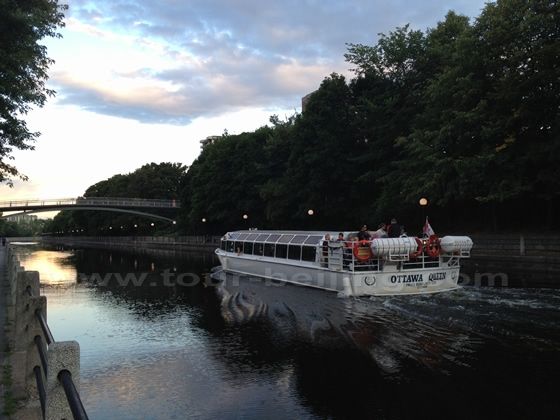
Rideau Canal at Sunset
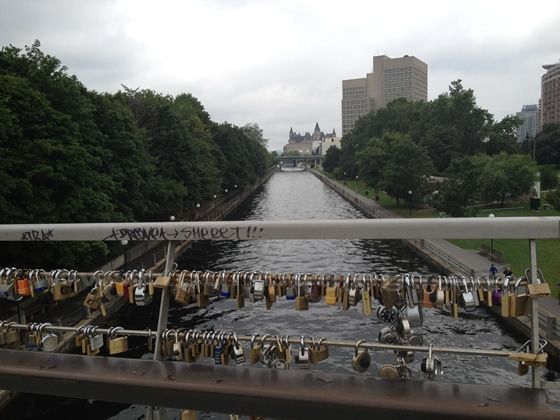
Love padlocks on the bridge over Rideau Canal
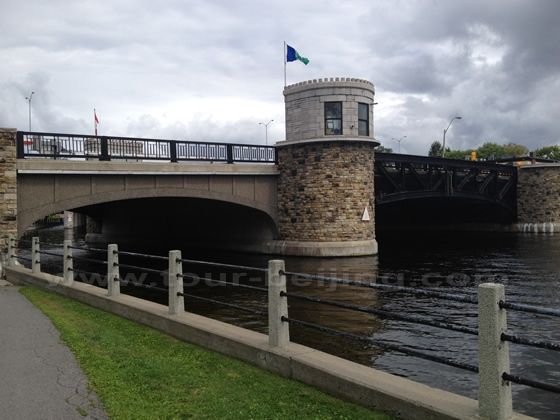
The heritage bridge was built in 1882
Jogging along the shared cycle and pedestrian pathways
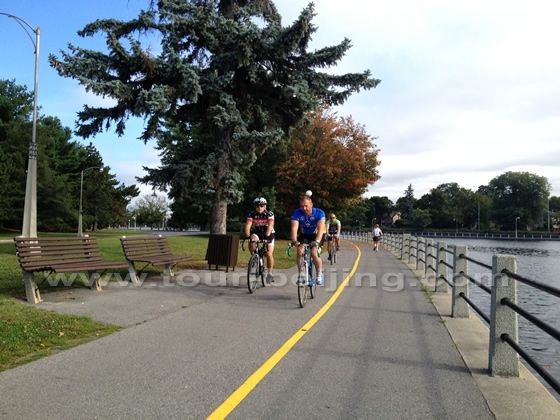
Cycling along the shared cycle and pedestrian pathways
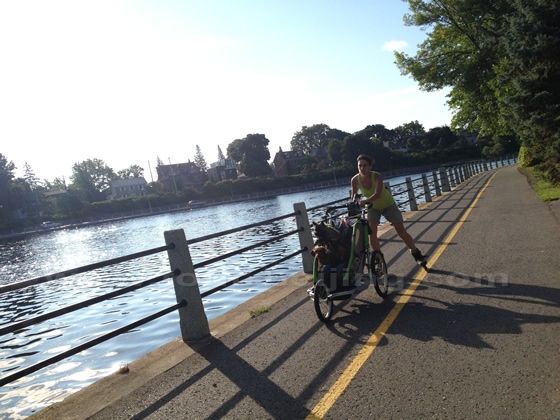
Skating with her dog along the shared cycle and pedestrian pathways
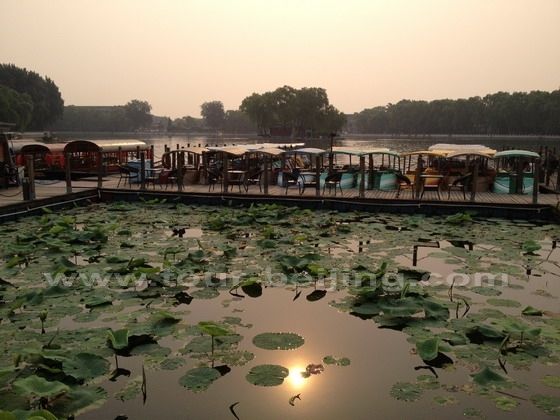
Sunrise over Houhai Lake, one of the three lakes in Shichahai in Beijing, the northern tip water system of the Grand Canal.
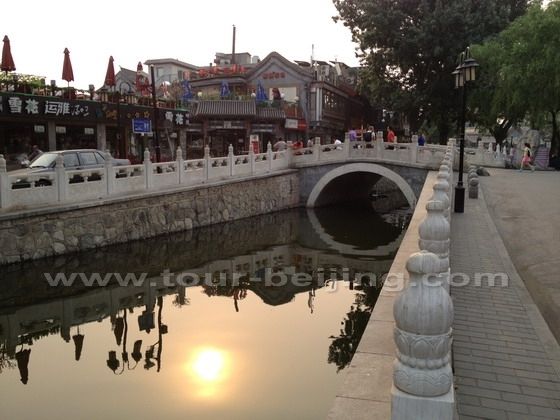
Qianhai Lake, one of the three lakes in Shichahai in Beijing, the northern tip water system of the Grand Canal
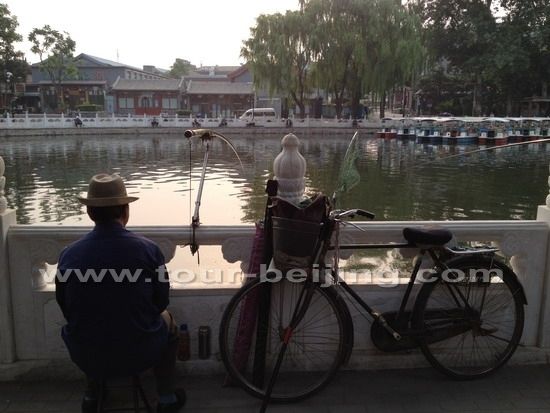
Fishing at Qianhai Lake
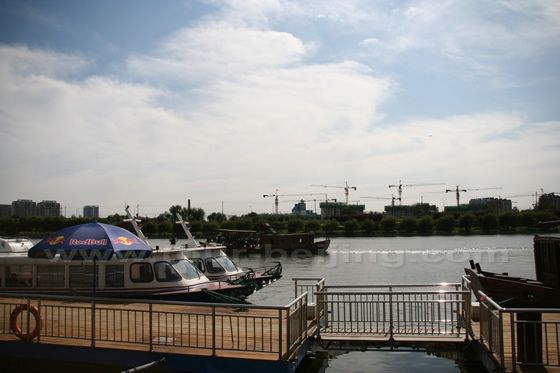
Boating on Tongzhi Grand Canal in Beijing.
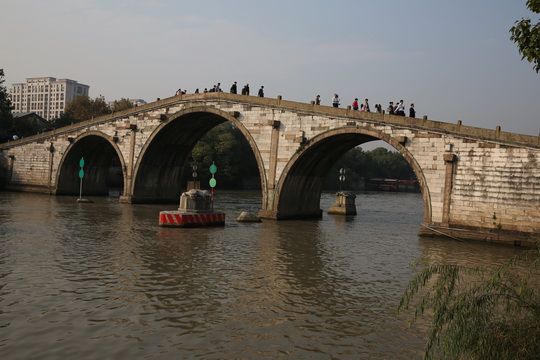
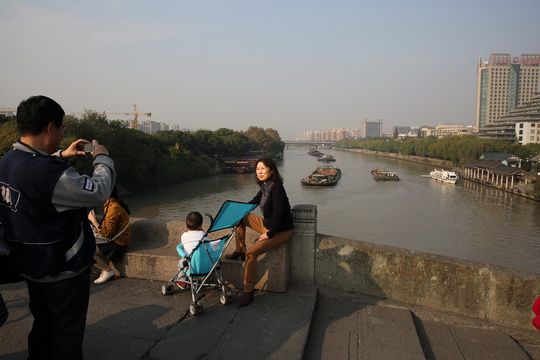
The Grand Canal ends at Gongchen Bridge over the Grand Canal in Hangzhou.
If you don’t want to go the do-it-yourself route and prefer the hassle-free escorted tours, here are some options for Beijing guided tours:
Share a question or note for this guide. Comments are reviewed before publishing.
Hand-picked routes matched from this article's destination clues, tags, and categories.
Use these attraction notes to connect nearby sights with tours, destination guides, and planning articles.
Continue planning with practical Beijing guides selected from similar places, themes, and travel questions.
Subscribe to receive Beijing travel ideas and tour updates.