
Call a local advisor
+86 186 1196 4400Email our team
[email protected]Tour Beijing Journal
Planning for Tibet Tour? Looking for top things to do in Tibet? So here is...
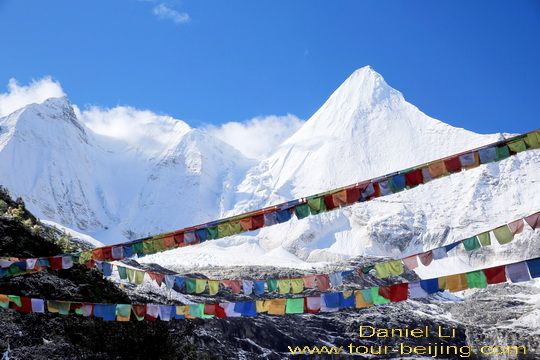
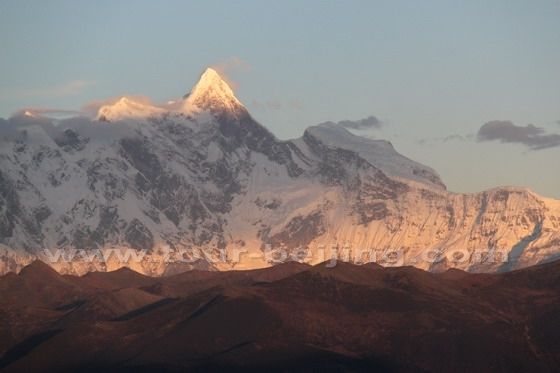
At the distance of 457km west of Lhasa, you reach the Serjila Pass (the Seche La Pass) at the elevation of 5020m where you will be lucky to see the golden summit of Namcha Barwa Mountain (or Namchabarwa and the Namjiagbarwa Peak). Mt.Namcha Barwa is famed as “the father of icebergs”. The foot of the peak is teemed with a number of hot springs and rich vegetation, which is an ideal place for both leisure and exploration.Its colossal triangle body is capped with snow and mists all year around and people find it hard to see its true face. In 1992 that the Sino-Japan Mountain Climbing Team conquered Mt.Nanjiabawa. Today it has become a very popular and challenging destination for leisure travelers and professional mountain climbers from both home and abroad. Namchabarwa (7787 m) is selected as the most beautiful mountain in China.
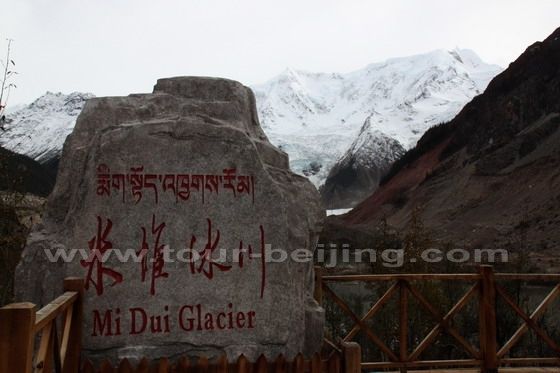
About 30km to the west of Ranwu, you turn to the south driving along the mountain road, then change for a horse ride and get to the foot of the most beautiful glacier in China – Midui Glacier with various styles and beautiful conformation.It is a rare natural wonder. The most beautiful glacier in China – Midui Glacier, about 700 km southeast of Lhasa.
The moment we touched on the mountain road, we realized that why the 100km Everest Base Camp Road would take 5 or 6 hours for a bus trip. The dirt road condition was terrible, tough, harsh, bumpy like a washing board with a corrugated surface and some full of potholes!
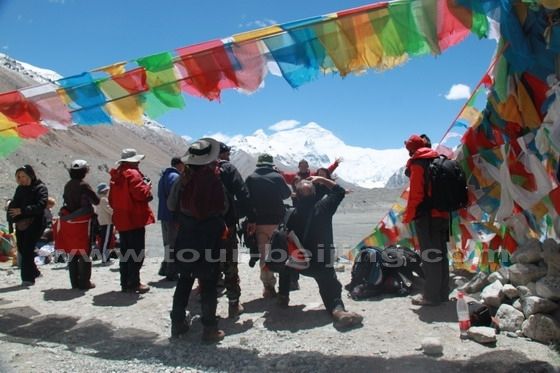
Just over the Gula Pass 5200m, there was a open platform for people to park and view the magnificent Mt.Everest and other peaks. All of us were amazed by the view unfolding before us and couldn’t belive the beautiful views of the snow mountains were real! It was so beautiful!
The Mt.Everrest Base Camp is about 8km south of Rongbuk Monastery. In the middle of the way between the Camp and the Monastery, there is a “Tent Community”, also known in the tourist book as “Za-Rombuk”. The “tent community” is set up by locals for 6 months of each year. The tents in Za-Rombuk seems cozy and warmer, and friendly. Climbers or leisure travlers share their temporary home. The tents are windproof, spacious. Heating comes from the stove in the middle of the room which burns yak and goat dung.
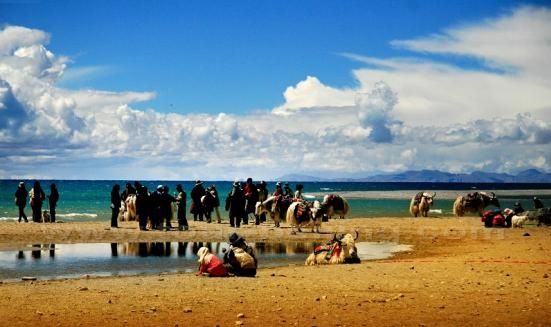
Namtso Lake literally means “the heavenly lake”, a mountain lake perched on the north of the Nyainqêntanglha range with a sea-level of 4,718m and a surface area of 1,920 square kilometres. It is often quoted as the second largest salt lake (after Qinghai Lake) in China and the highest salt lake of the size in the world. Accompanied by the massive Nyainqêntanglha range, Namtso Lake appears like a charming lady, the most stunning body of water in Tibet.
The best season to visit Namtso Lake is between June and September. Normally starting from October and November, Namtso Lake will be closed to tourists due to heavy snow. You may hire a SUV car with the help of the staffers from your hotel or inn.
The cheapest way is to join in a shared coach organized by the local travel agencies. You will find the coach tours of visiting Namatso Lake from most of the youth hostels or hotels in Lhasa. In addition, each morning, the seat-in coach will start from the area by the White Pagoda on the east gate of the Potala Palace around 7:00am.
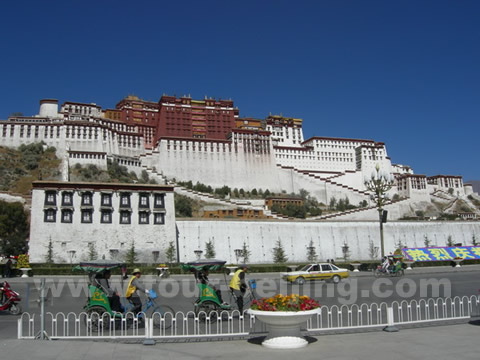
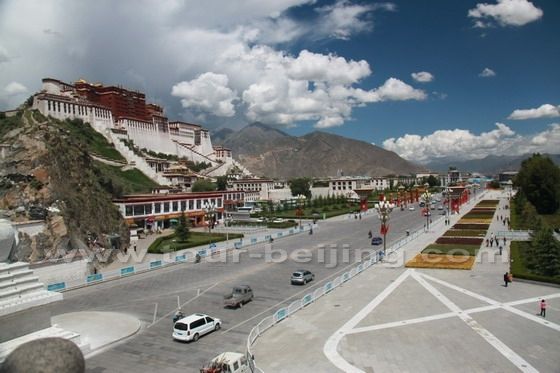
There two best places to have an overview of Potala Palace for pictures taking – the Medicine King Hill and Palubuk Rock Temple both to the southwest of the palace. It takes you 2 yuan to take photos on the viewing platform on the hill. The entrance to Palubuk Temple costs you 20 yuan.
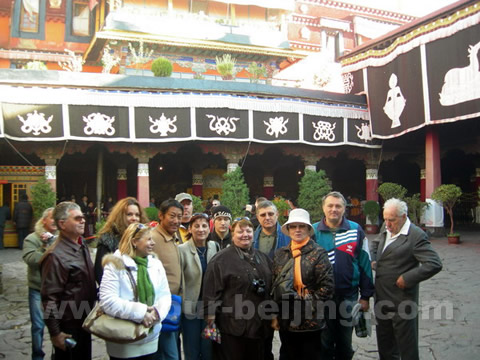
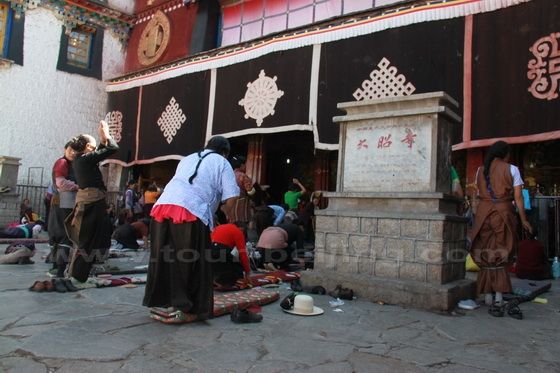
The Jokhang Temple, a massive building consisting of three floors and an open roof all filled with chapels and chambers, has undergone extensive reconstructions and additions since the 7th century. The architectural style is based on the Indian design, and was later extended resulting in a blend of Nepalese and Tang Dynasty styles.
The main hall of the temple houses the Shakyamuni Buddha Statue, besides there are also famous statues of Chenresig, Padmsambhava and King Songtsan Gambo and his two famous foreign brides, Princess Wencheng of China and Princess Brikuti of Nepal.
Now it has been the most popular attraction in Lhasa and part of the UNESCO World Hentage Site "Historic Ensemble of the Potala Palace" and a spiritual center of Lhasa.
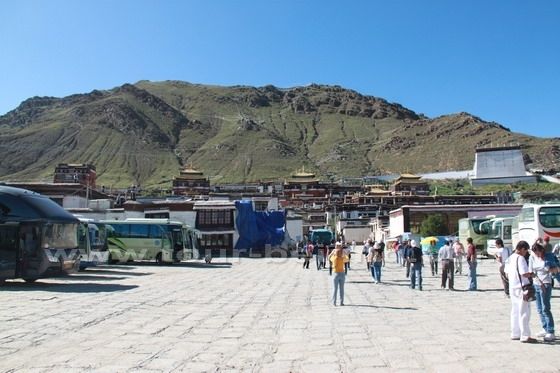
Located on the east side of the hill in the west of the city of Shigatse, Tashilhunpo Monstery is the seat of panchen Lama and one of the six great Gelugpa temples along with Sera Temple, Drepung Temple, Gandan Monastery, Taer Monastery and Labrang Monastery. Built 1447 by Gendun Drup, the First Dalai Lama, the temple once housed over 4000 monks, now there are about 1,000.
Yamdrok Yumtso Lake is a kind of low salt lake formed by the snow melted water from the snow capped mountains nearby. The lake looks like a holy sapphire. Under the clear azure sky, the clean water of the lake is as smooth as the surface of fine blue jade. Every year, many local Tibetans and visitors from Lhasa and from other places would come here for pilgrimage or sightseeing.
This is the first monastery in entire Tibet built between 775 and 779. It comprises of the three Buddhist idols, Buddha, Dharma and Sangha. This monastery is hugely popular with all Buddhist pilgrims from around the world. And the beauty of its construction beckons tourists who come to Tibet.
Any questions, just drop a line.
Share a question or note for this guide. Comments are reviewed before publishing.
Hand-picked routes matched from this article's destination clues, tags, and categories.
Use these attraction notes to connect nearby sights with tours, destination guides, and planning articles.
Continue planning with practical Beijing guides selected from similar places, themes, and travel questions.
Subscribe to receive Beijing travel ideas and tour updates.