
Call a local advisor
+86 186 1196 4400Email our team
[email protected]Tour Beijing Journal
Planning for Hebei Tour? Looking for fun things to do? What are the top...
Hebei (河北) is a unique province in that almost circles Beijing and Tianjin with its east area extending to the Bohai Sea. "Hebei" literally means "North of the Yellow River", named after its location north of the second longest river - the Yellow River in China.
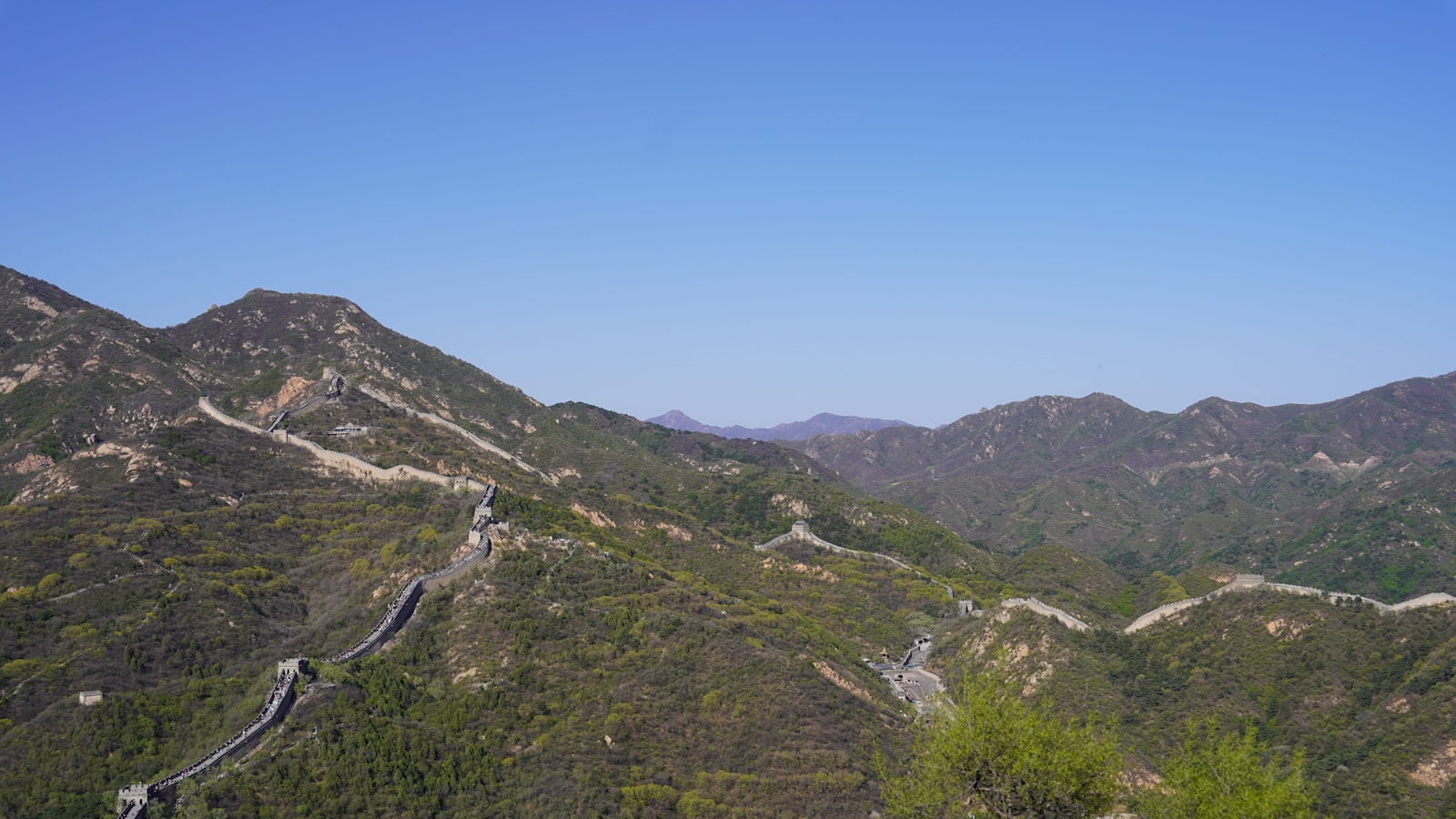
Check out the links for more information on the Great Wall within Hebei Province:
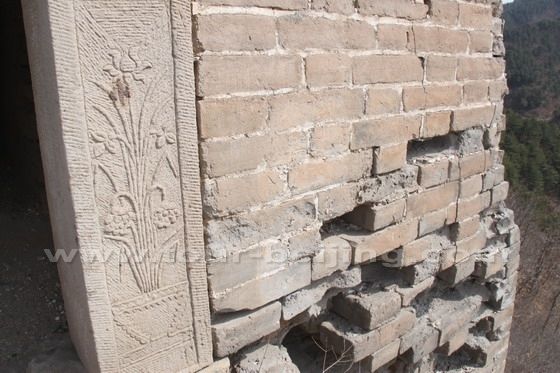
Most of the eight outlying temples ( located on the north and east outside Mountain Resort ) were built in Tibetan style after the palace and temples in Lhasa during the reign of Qing Dynasty ( 1644-1911 ) as a smart policy of reconciliation with the hope of strengthening the unification with the minority nationalities like Tibetan, Mongolian and more who believed in Lamaism.
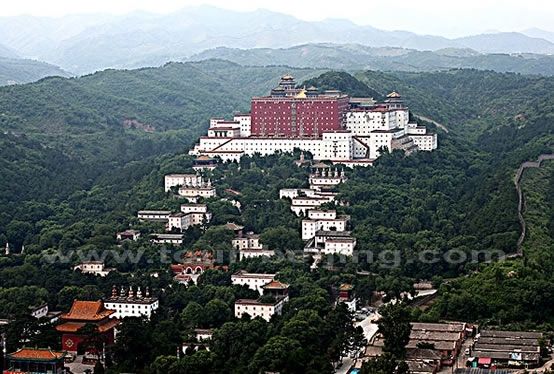
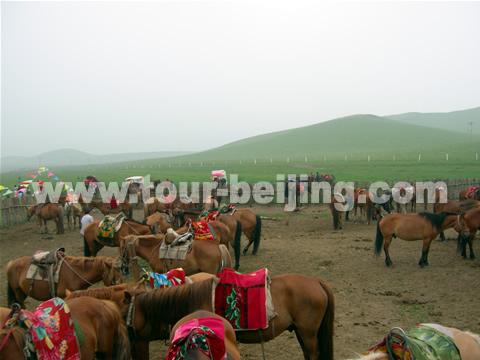
The period from June through September is the best time to visit, and in this period the average temperature rages from 17 degrees to 19 degrees, very cool. Horse riding, camping, watching local wrestling competitions, or staying in farmers’ Mongolian yurts to eat roast whole sheep and other plain foods, are the main attractions for visitors.
Mulan Weichang in ChengdeVast lakes, and sunrise and sunset over the grasslands great views for city dwellers who have grown tired of the urban sprawl.
Mulan Weichang was built in the 20th year of Emperor Kangxi’s region (1681). The three emperors of Kangxi, Qianlong and Jiaqing all held hunting activity here every autumn, which was make a rule for the imperial family.
The Mulan Weichang has majestic mountains, gorgeous scenery and delightful weather. It boasts plenty of water, lush grass, flock of birds and packs of animals, an ideal place for hunting. There are flowers in full bloom brilliant as brocade in spring; a boundless stretch of lush grassland in summer; a riot of color all over the maintains and plains in autumn; and a white world covered with silver snow in winter.
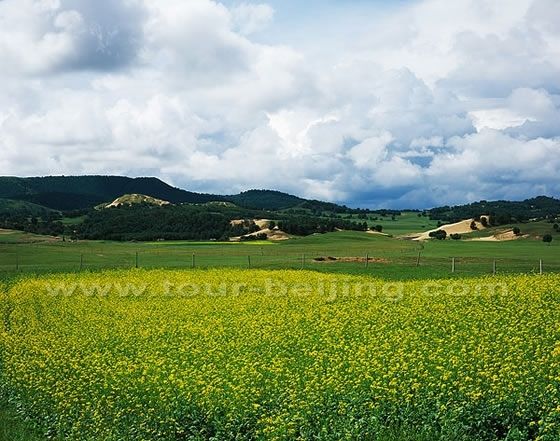
Beidaihe is one of the three urban districts under the jurisdiction of Qinhuangdao City. The other two districts are Haigang District and Shanhaiguan District. The Beidaihe District is famous for the beautiful beaches and sunshine. The Beidaihe beach resort stretches 10 km. It is is also known as a birding haven, a perfect spot for bird watching. Beidaihe is one of nine famous sun-rise watching spots in China!
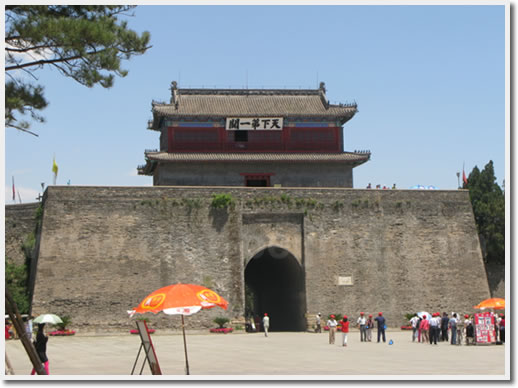
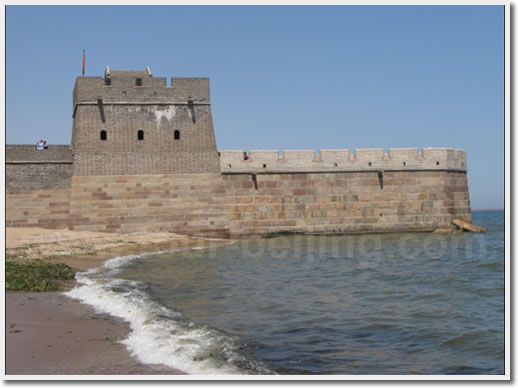
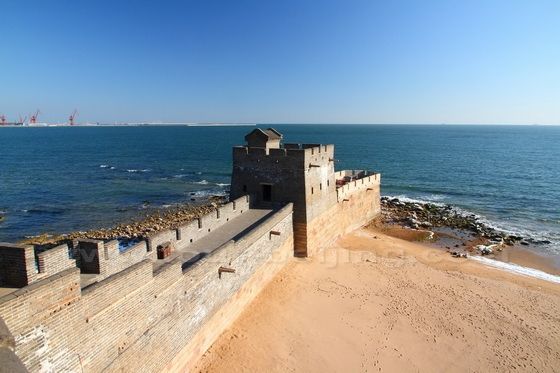
Shanhaiguang District is well known for the "First Pass Under Heaven", considered the No.1 pass of the Great Wall and the eastern end of the Great Wall, stretching 23 meters into the sea like a dragon drinking water, hence its name - the "Old Dragon's Head." Shanhaiguan's most exciting activity is a hike up the Great Wall's first peak - Jiaoshan Great Wall. Check out the link for more information: Qinhuangdao Trip
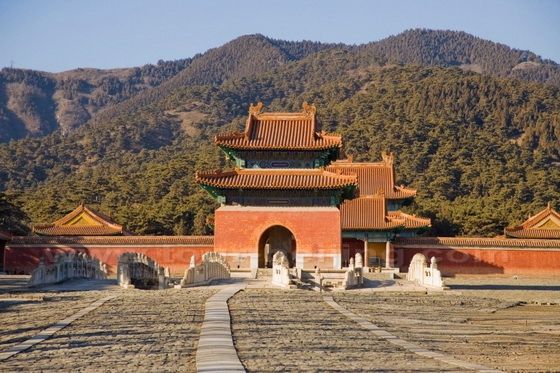
These two day tour take you to Zunhua ( 120km northeast of Beijing ) and Yixian ( 190km south of Beijing ) to visit both the Eastern Tombs of Qing Dynasty and Western Qing Tombs.
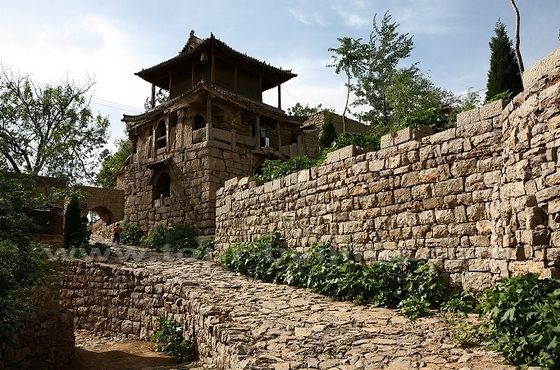
Yujia Village is also known as Stone Village simply because the village is built with various kinds of stones. There are over 40,000 stone houses, stone pathways of over 3,700 meters, more than 1,000 stone wells and kiln pools and over 200 stone tablets. You also can find everything is made of stone - stone buildings, stone courtyards, stone stools, stone desks, stone mills, stone balusters and more. The most impressive is the stone multi-storey courtyard built in Ming Dynasty. The courtyard compound occupies an area of 650 meters with a hundred of rooms.
Entrance fee: RMB20 Opening Time: all day Location: In Jingxing Conuty, 60km west of Shijiazhuang How to get there:| First take the long-distance bus from Shijiazhuang’s Xiwang Bus Station (西王客运站) to Jingxing County (井陉县), then connect the local bus for Yujia Village
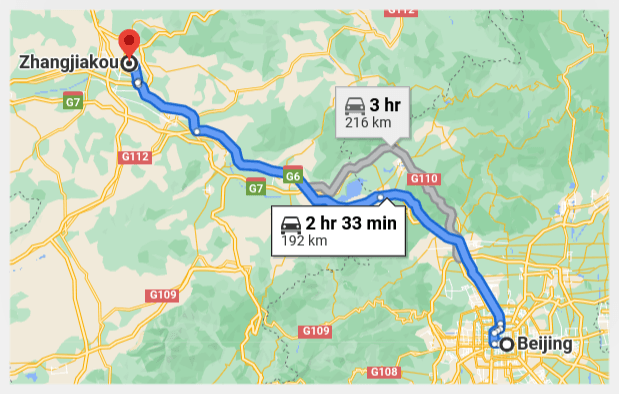
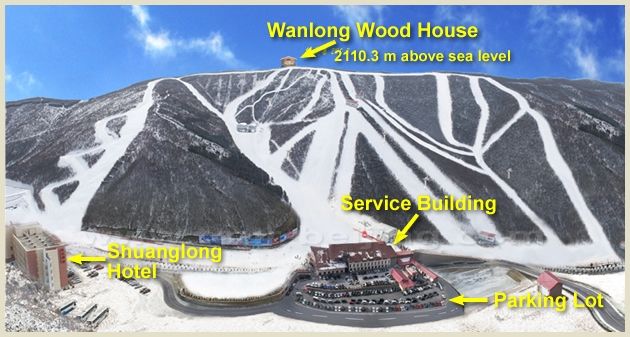
The Beijing - Wanlong Resort drive takes about 3 hours if there is no traffic jam, no foggy day or no roads blocked due to heavy snow. Taking a fast train from Beijing to Zhangjiakou is a good standby if Jingzhang Expressway is difficult to drive due to the traffic congestion provided that you should prearrange your trasnport from Zhangjiakou to Wanlong Ski Rrsort.
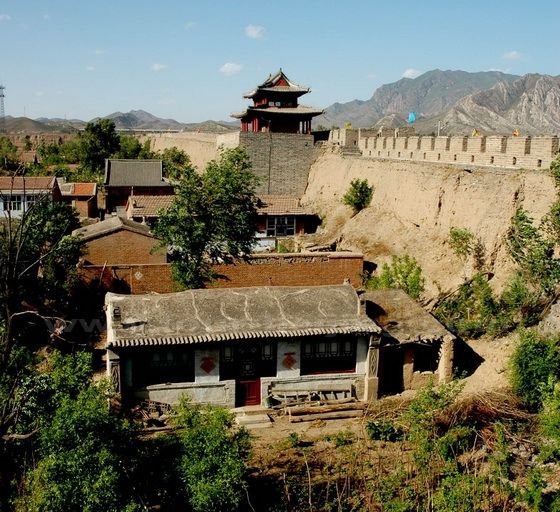
The ancient post station still retains its original layout. It is a square-shaped town with a 2 km long wall and two gates, one in the east and the other in the west. In recent years, the State has invested a big sum of money in restoration of the post station. The the local government sets up the Jimingyi Relic Site Administration Committee to strengthen its protection of it.
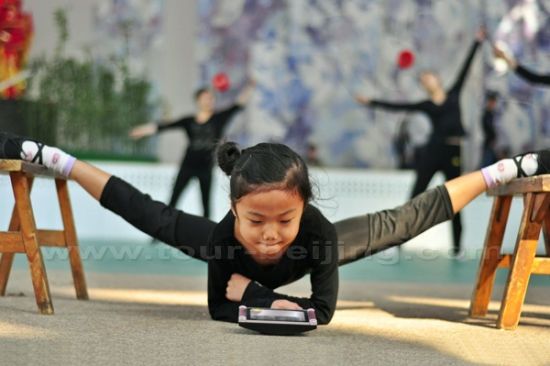
The history of Wuqiao acrobatics dates back to about two thousand years ago. It is said that the local people from doddering grand parents to toddling infants can all perform some incredible acrobatics!
Wuqiao has a population of over three hundred thousand people, 10% of the population engaged in acrobatics related work. The county boasts of 100 circus troupes, 44 acrobatics training schools with over 20 students each, and a few acrobatics villages. The number of acrobatic actors and learners combined can reach 20,000.
Located 350km to the southeast Beijing, Wuqiao County in Hebei province is recognized internationally as the birthplace of Chinese acrobatics.
The history of Wuqiao acrobatics dates back to about two thousand years ago. It is said that the local people from doddering grand parents to toddling infants can all perform some incredible acrobatics!
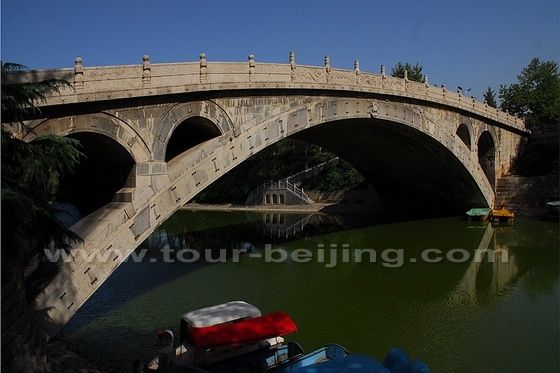
The Zhaozhou Bridge was designed and built by the famous Li Chun. The bridge is about 50 meters long, 7.3 meters tall with a width of 9 meters. The span of its large stone arch in the middle measures 37.37 meters – the world’s largest arch at that time. The bridge spans over the Xiaohe River.
The bridge remains in good shape, with carefully supported stone structures beneath, and elegantly carved balusters, crowned with stone guardians, making this a highly valued piece for modern architects.
Entrance fee: RMB40 Opening Time: 08:00-17:00 Location: in Zhaoxian County, 45km to the southeast of Shijiazhuang How to get there: First take the long-distance bus from Nanjiao Passenger Bus Station of Shijiazhuang (石家庄南焦客运站) to Zhaoxian County (赵县). You get off at Zhaoxian County ( one hour bus ride ). Then take the local taxi to Zhaozhou Bridge ( RMB 5-10, over 10 minutes ).
Share a question or note for this guide. Comments are reviewed before publishing.
Hand-picked routes matched from this article's destination clues, tags, and categories.
Use these attraction notes to connect nearby sights with tours, destination guides, and planning articles.
Continue planning with practical Beijing guides selected from similar places, themes, and travel questions.
Subscribe to receive Beijing travel ideas and tour updates.