
Call a local advisor
+86 186 1196 4400Email our team
[email protected]Tour Beijing Journal
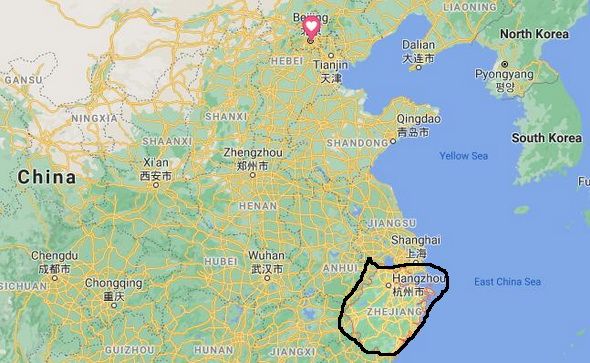
Plan your Zhejiang tour? Hangzhou as its capital, Zhejiang is a coastal...
Plan your Zhejiang tour? Hangzhou as its capital, Zhejiang is a coastal province south of Shanghai and Jiangsu Province. It is one of the smallest, but one of the most developed provinces in China. Hangzhou itself is a most-sought-after tourist destination as well as the transport hub jumping off for exploring further in the province.
Zhejiang has much more to offer beside the garden city of Hangzhou, which is only a half-hour high speed train ride from Shanghai. There are the old world charm in the north of the province - the old arched stone bridges, a network of rivers and canals that crisscross a slew of water towns; the most well known lush island off the east coastline, the famous Buddhist island - Putuoshan, the abode of Guanyin, the Goddess of Mercy, one of China’s four sacred Buddhist mountains.
The list can be much longer. Now I have compiled a top 10 list of the best things to do in Zhejiang. Hope my Top 10 List helps to guide you into the smart decisions about what to see on your trip to Zhejiang.
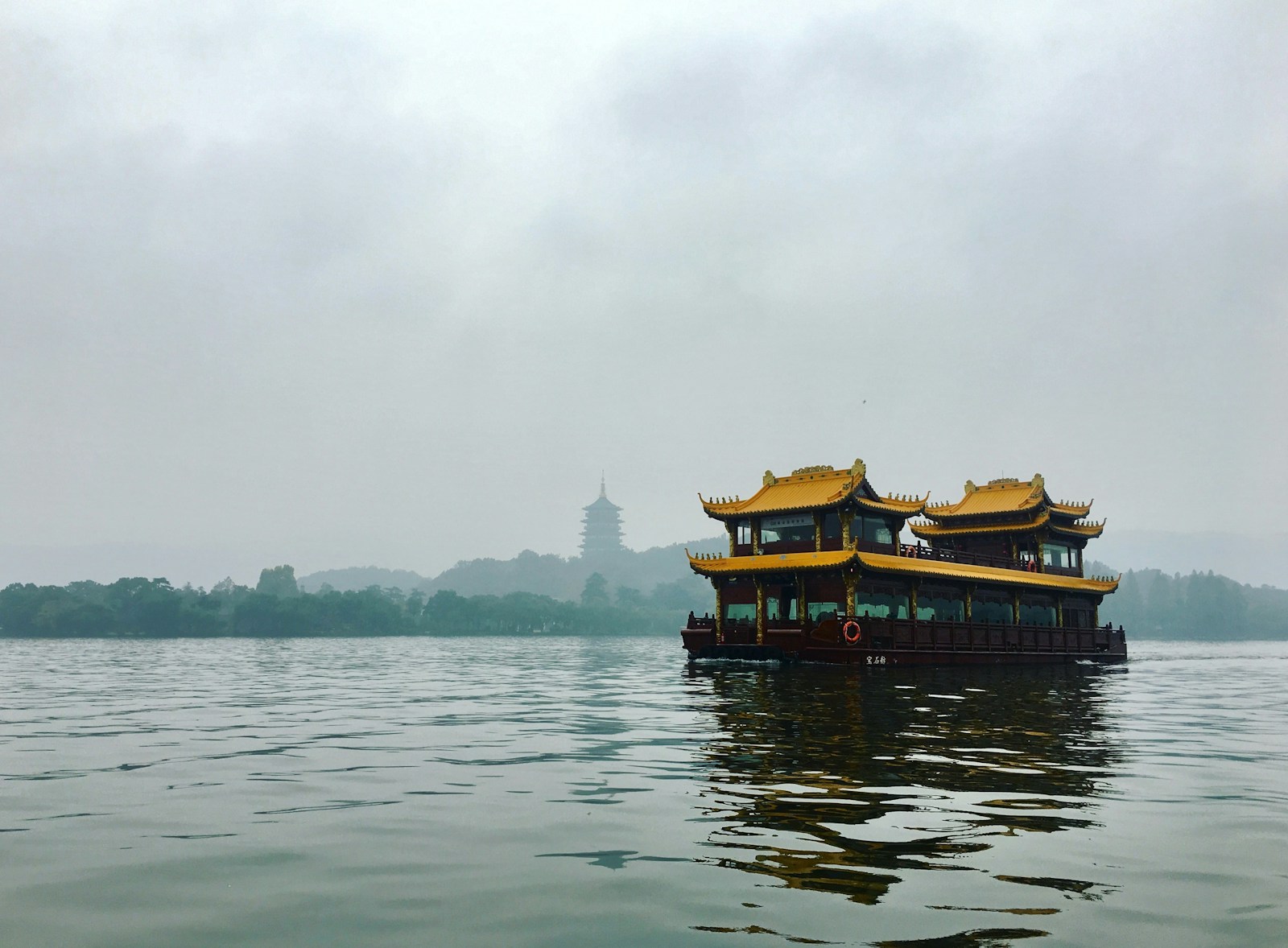
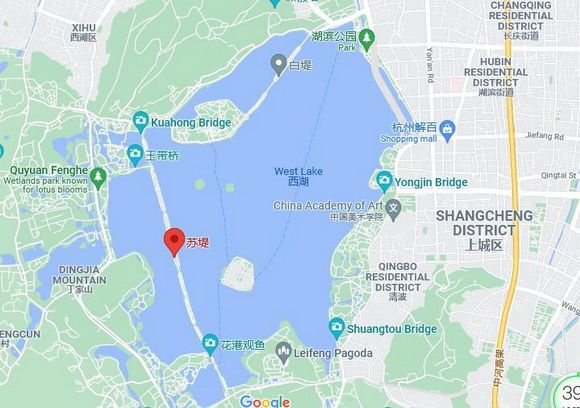
West Lake is Hangzhou's front running highlight. West Lake Landscape was crowned as UNESCO World Heritage in 2011, a classical beauty of China - willow-lined banks, half-moon bridges and pagoda-topped hills.
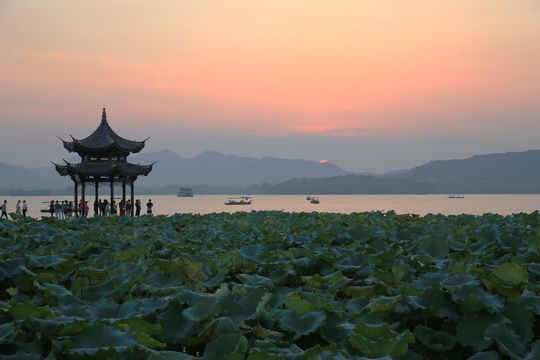
The best part about the lake is that it well fuses with the downtown of Hangzhou, and you don't have to pay or go very far to visit the lake. You take a 3-4 hour walk around West Lake, or you hire a bike from the lakeside bike rental booths and cycle around lake. The third choice is to take the Tourist Bus No.Y1 and Y2 that run around the lake.
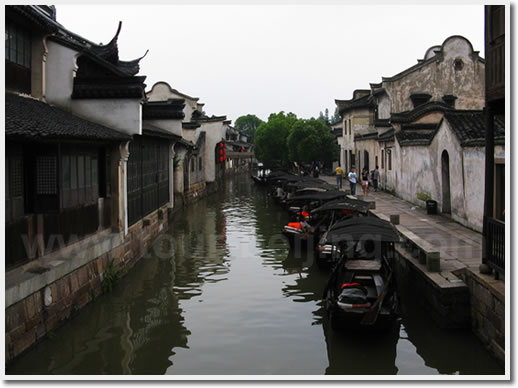
Wuzhen Water Town is one of the best preserved ancient water towns in the Yangtze River Delta. Wuzhen Water Village have two zones which are open to tourists: Wuzhen Dongzha (East Scenic Zone) and Wuzhen Xizha (West Scenic Zone). Both the two zones are charged separately. Most people choose to visit East Area which is getting very crowded and commercialized. Some local residents still live in Wuzhen Dongzha (East Area).
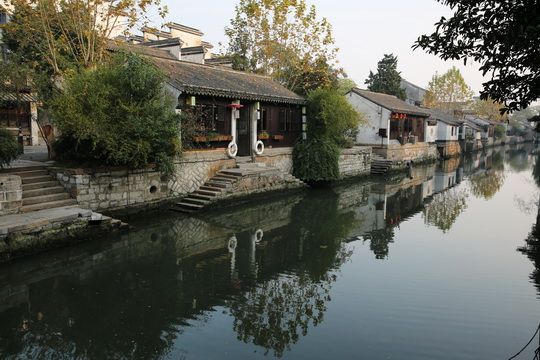
Nanxun Ancient Town was once the most affluent among the water towns in Yangtze River Delta Area. Nanxun was once the silk production and trade center in the ancient China and home to many wealthy Chinese businessmen. These elite Chinese constructed many typical Chinese traditional buildings along rivers and canals with typical water town features. What sets it apart from other water towns is the interesting blend of European style and Chinese style architectures.
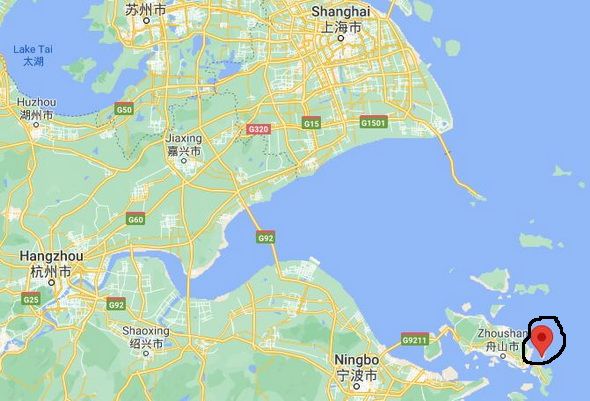
Mount Putuo is the abode of Guanyin, the Goddess of Mercy, one of China’s four sacred Buddhist mountains. Putuoshan is the most well known lush island attached to Zhoushan Archipelago off the east coastline of Zhejiang.
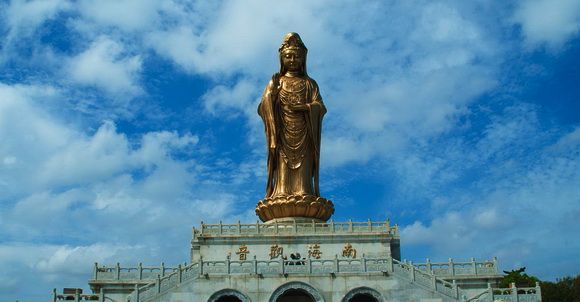
Now Putuoshan ( Mount Putuo Island ) can be easily reached from Shanghai and Hangzhou by air, road and boats. If you take air or drive overland, you first get to Zhoushan Island and then connect a 20-minute ferry to Putuoshan; if going by boat, you may reach Putuoshan directly or via Shengjiamen Wharf at Zhoushan Island where change for regular boats for Putuoshan.
Situated 60 km from Hangzhou and 200 km from Shanghai, Mount Mogan is in the same name national park - the Moganshan National Park.
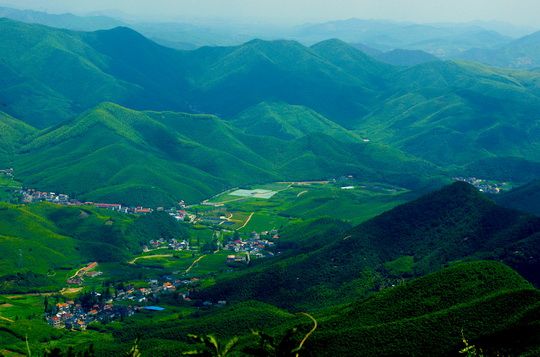
Moganshan Town is the base for Mount Mogan. The mountain is well known for its cool temperatures during the hot summer and a perfect summer resort.
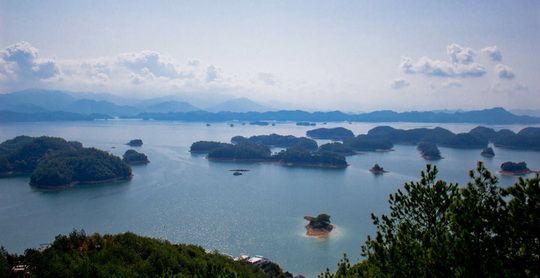
The islands in the lake include Bird Island, Snake Island, Monkey Island, Lock Island and more, a hot tourist destination.
Guoqing Temple is a Buddhist temple on Mount Tiantai in the east Zhejiang Province, about 220 km from the city of Hangzhou.
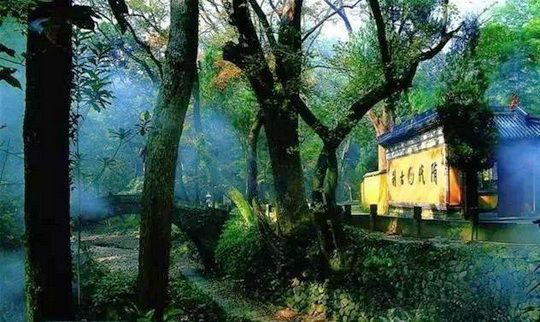
Originally built in 598 AD during the Sui Dynasty, it was the initial site for the creation of the Tiantai school of Mahayana Buddhism.
Yandang Mountains (or Yandangshan) is a coastal mountain range in southeastern Zhejiang province. In the mountain areas there are also plentiful temples and shrines with a long history.
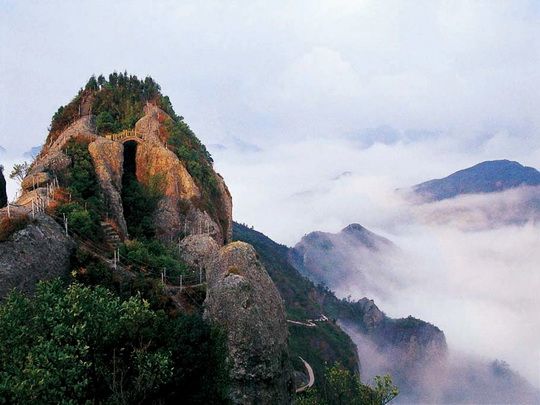
Yandang is well known for its natural beauty - vertical rock faces and pinnacles, mountain slopes with green forests and bamboo groves, placid streams, gushing waterfalls and mysterious caves.
Xinye is a historic Chinese village in Jiande, about 175 km southwest of Hangzhou. Formed in the Southern Song Dynasty(1127–1279), Xinye is well known for its well-preserved Ming and Qing era architecture and ancient residential buildings.
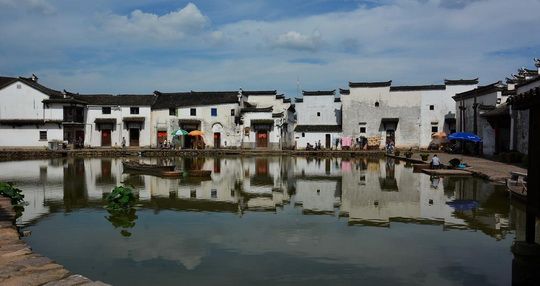
Zhuge Village is also a historic Chinese village located in Lanxi, about 12 km south of Xinye Village. The village residents are the descendants of the famed Shu Han chancellor Zhuge Liang of the 3rd century AD, hence the name of the village - Zhuge Village. The village is noted for its architectural composition arranged in an orderly fashion, according to the bagua principles of feng shui, earning it the moniker of Zhuge Bagua Village.
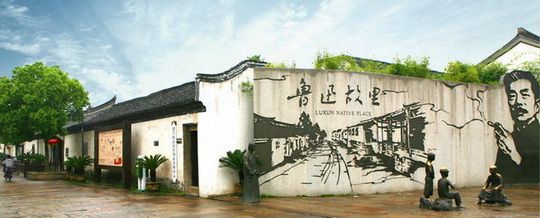
Lu Xun was the pen name of Zhou Shuren (25 September 1881 – 19 October 1936), a leading figure of modern Chinese literature.
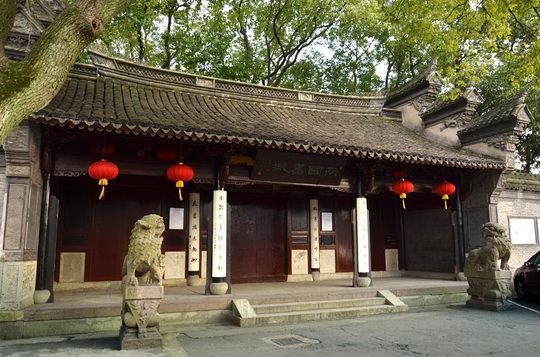
Located in Ningbo, Tian Yi Pavilion ( or Tianyi library ) is the oldest existing library in China. Set up in 1561 by Fan Qin during the Ming dynasty (1368 - 1644), it once had a collection of over 70,000 volume of antique books during its prime time.
Don’t want to go the do-it-yourself route? No worries, We at Tour Beijing have some options for guided tours to Zhejiang:
Share a question or note for this guide. Comments are reviewed before publishing.
Hand-picked routes matched from this article's destination clues, tags, and categories.
Use these attraction notes to connect nearby sights with tours, destination guides, and planning articles.
Continue planning with practical Beijing guides selected from similar places, themes, and travel questions.
Subscribe to receive Beijing travel ideas and tour updates.