
Call a local advisor
+86 186 1196 4400Email our team
[email protected]Tour Beijing Journal
Plan your Beijing Muslim tour? The history of the mosques in Beijing dates...
Plan your Beijing Muslim tour? The history of the mosques in Beijing dates back to the year 996 when two Arabic elders started the construction of Niu Jie Mosque ( Ox Street Mosque ), the first mosque in Beijing.
The Yuan Dynasty (1279 - 1368 ) saw the fast development of Islamism after the influx into China of a great number of Muslims. The famous Dongsi Mosque was established in Yuan Dynasty. Islamism developed greatly in Ming and Qing dynasties, adding to over 30 mosques in Beijing.
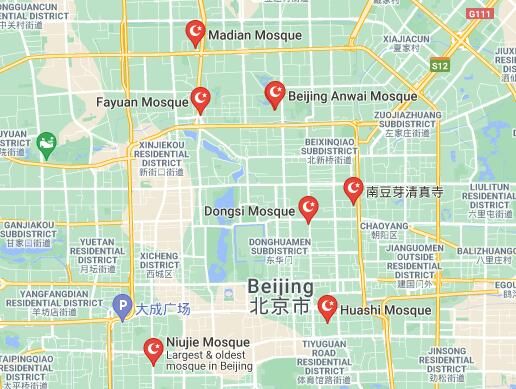
Today there are estimated to be over 200,000 Muslims and 72 mosques in Beijing. We've rounded up the top 10 list of the most popular mosques in Beijing in no particular order. Leave your comments and share with others.
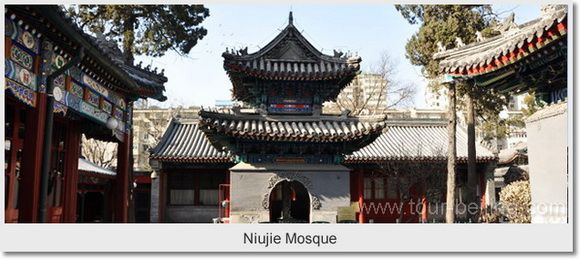
Niu Jie Mosque is located in the largest muslim community in Beijing. The Niujie Mosque takes an area of approximately 10,000 square meters. Its architecture is a blend of Islamic and Han Chinese cultural and architectural influences.
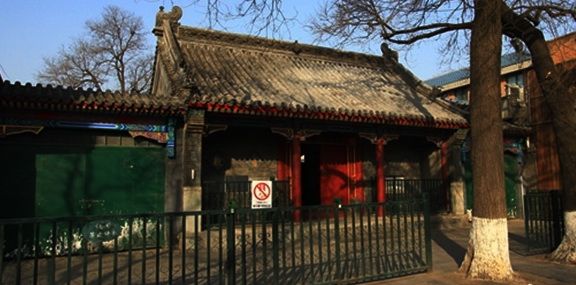
The Dongsi mosque is one of the oldest mosque in Beijing. It was originally built in 1356 during the Yuan Dynasty (1271-1368). It is located at No.13, the Dongsi South Street, Dongcheng District.
The present mosque is mainly composed of two gates, a minaret, a worship hall and a library. The worship hall can house 500 people praying and there is a separate area in the main hall for women.
It has been restored and renovated many times. The library houses valuable manuscripts of the Quran, the Hadith. The mosque is the headquarters of the Islamic Association of Beijing.
Huashi Mosque was first built in 1415 during the reign of the emperor Yongle in Ming Dynasty (1368 - 1644). It is located on the west side of the Huashi Street in Dongcheng District.
It underwent several renovations and expansions.The present Worship Hall is the largest architecture in the mosque. The other buildings in the mosque include the Stele Pavilion, the Jingu Hall, Xunyue Platform, the Sermon Room, and bedrooms.
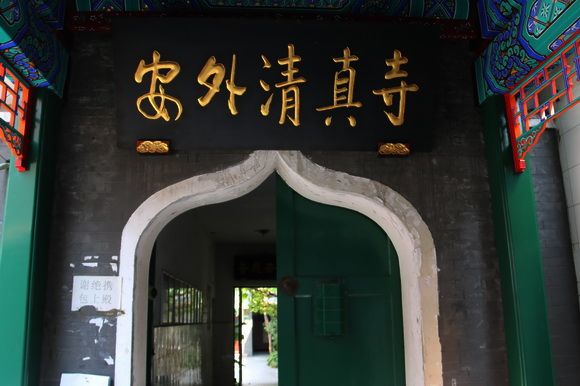
Anwai Mosque is also known as Anding Menwai Daguan Mosque. Originally it was built during the Jiaqing period of the Qing Dynasty. It was reconstructed and reopened in 1990. It covers an area of more than 500 square meters. There are the prayer hall, lecture hall, men and women bath room. There are ancient cypresses in front of the hall
The present mosque is a building complex of Ming and Qing dynasties. On the axis lie the temple, the Wangyue Tower, the screen door, and the hall in turn.
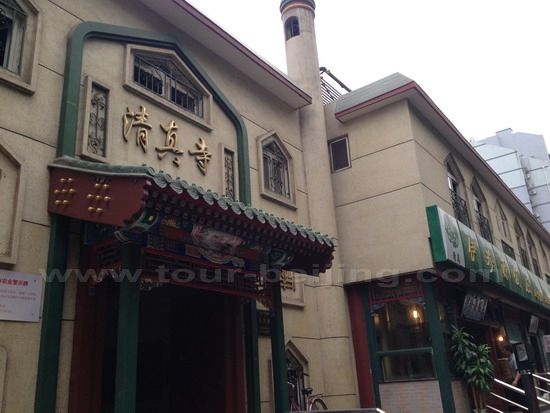
Nan Douya Mosque was originally constructed during the Yuan Dynasty (1279–1368). The present mosque was reconstructed in 2000 with a direct government grant of more than $8.3 million yuan.This mosque mainly serves the Hui community that lives in the area, but it now receives thousands of foreigners each year.
The Nan Douya Mosque has no entrance fee but it encourages donations from visitors. It is located not far from Dongsi Shitiao Station subway station of Subway Line 2.
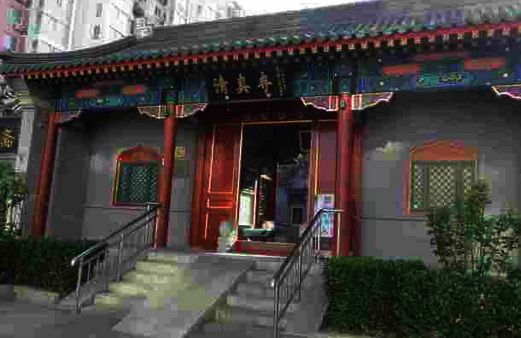
Haidian Mosque was originally built in the late Ming Dynasty and the early Qing Dynasty. It is a three-hall courtyard layout. The prayer hall is in the center of the mosque with the kiln hall at its back and the Baishi platform at its front.
A square corners pavilion is atop the prayer hall telling the Islamic architectural style.The teaching rooms are in the south and north of the yard. The north of the mosque houses a vegetable garden and the west has the Yidi place (a cemetery).
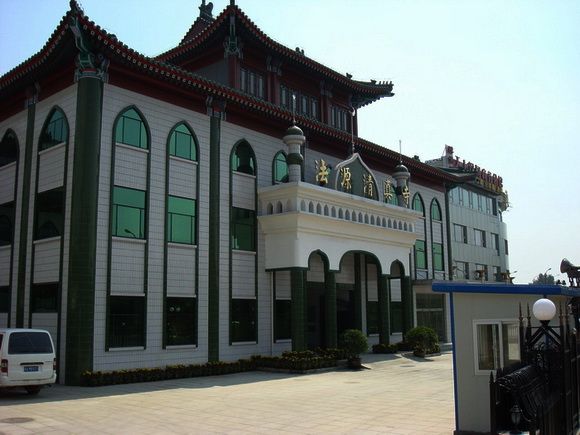
Fayuan Mosque, also known as Dewai Mosque. It is located 200-300m to the northeast of Desheng Gate, hence the name of Dewai Mosque, meaning “outside Desheng Gate Mosque”. It was origailly constructed in late Qing dynasty.
In 2003, the local Xicheng District government allocated 8 million yuan and collected 2 million yuan for the renovation of the old mosque. Now the upgraded Fayuan Mosque coveres an area of 4,000 square meters, 3 sizes of the original mosque.
The mosque entrance faces the street to the west. The Fayuan Mosque is a mix of Chinese architecture and Arabic Islamic architectural style.
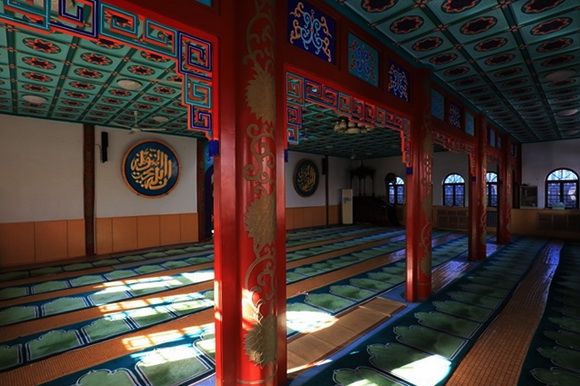
To the southeast corner of the main 200 square meter prayer hall is the smaller prayer hall for female. Every day many Muslims come here to pray and some non-muslim vistors visit th mosque as well.
Jinshifang Street Mosque is named after the street in the west of Beijing where the mosque is located. The mosque is also known as “Pushou Mosque”. It was originally built in the year of the 4th year of Xuande in Ming Dynasty ( 1429 ), one of the four major 4 mosques in Beijing. It was rebuilt and renovated several times in the past.
In 1982, the old mosque was reconstructed with a construction area of 1373 square meter. The main prayer hall covers an area of 200 square meters in the style of Chinese classical palace architecture.
The buildings inside the mosque is spectacular with its shape and colorful design in the Ming style.There are over 2500 muslim households of over 11,000 muslims using the mosque. There are over 150 rolls of Arabic classics and over 100 Persian rolls of classics. The Xicheng Muslim Association is located inside the Mosque.
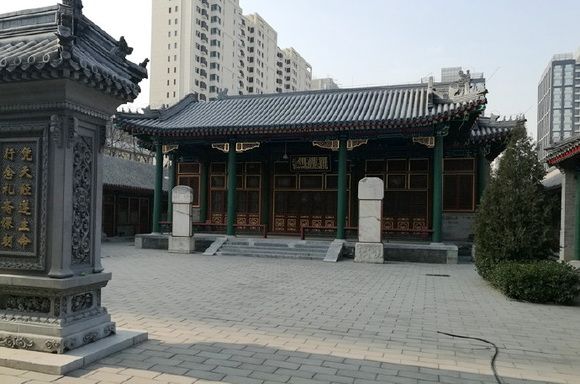
Changying Mosque is named after the same name village where the mosque is located. Changying Mosques was originally constructed in the Zhenge period in Ming Dynasty (1368 – 1644) and was largely reconstructed in the Jiaqing period in Qing Dynasty (1644 -1911).
It was the largest mosque in the suburbs of Beijing. Today it is still an important religious site for nearby muslims to pray.In the years of in 1983, 1993 and 1998, the Changying Mosque was renovated and repaired for several times.
Built on an axis from east to west, Changying Mosque faces the east and it is a three-hall courtyard with Chinese characteristics of black bricks and green tiles. In recent years there newly constructed a separate hall of women, designed for female Muslim to pray.
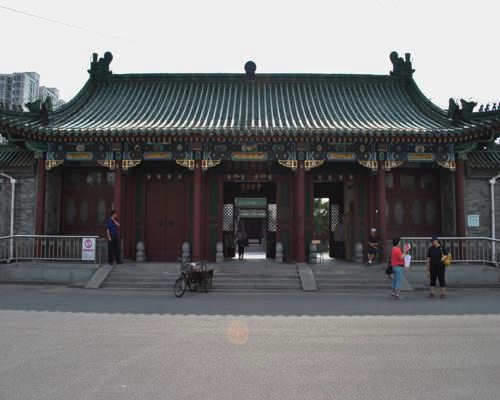
Beijing Madian Mosque takes an area of over 3,800 square meters. It has the style of a traditional Chinese courtyard. The main structures include the prayer hall, teaching rooms and the hall for female muslims.Historically, the Madian area has been inhabited by numerous muslims, another big muslim community after Niujie community.
Beside the local muslims, there are many muslims coming from the universities and expats and muslims from all parts of the world, especially from Arabic countries and people from the Southeast countries in Asia.
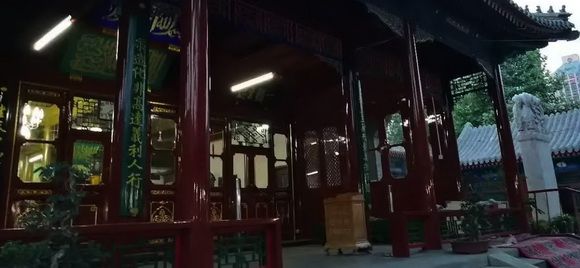
Dongzhimen was originally constructed during the Yuan Dynasty (1271-1368). but the present building was reconstructed in the late Qing Dynasty (1644-1911).
Now, the mosque is laid out the shape of a traditional quadrangle courtyard of Chinese characteristics.The mosque includes such buildings as the prayer hall, and other houses and the wing-room and other facilities.
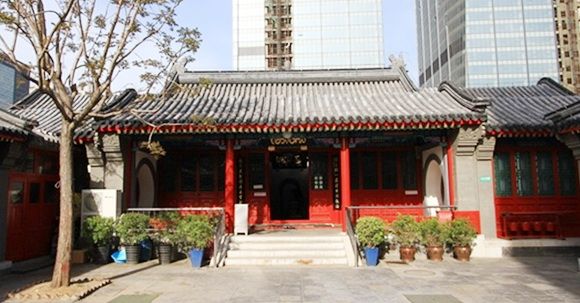
If you don’t want to go the do-it-yourself route and prefer the hassle-free escorted tours, here are some options for guided tours to Beijing:
Share a question or note for this guide. Comments are reviewed before publishing.
Hand-picked routes matched from this article's destination clues, tags, and categories.
Use these attraction notes to connect nearby sights with tours, destination guides, and planning articles.
Continue planning with practical Beijing guides selected from similar places, themes, and travel questions.
Subscribe to receive Beijing travel ideas and tour updates.