
Call a local advisor
+86 186 1196 4400Email our team
[email protected]Tour Beijing Journal
Planning for Shanxi Tour? Looking for top things to do? What are the major...
"Shanxi" literally means "West of the Mountain" since Shanxi Province is located on the west of Taihang Mountain which forms the boundary between Shanxi and Hebei provinces.
Shanxi Province is also on the east of the middle stretches of Yellow River which forms the boundary between Shanxi Province and Shaanxi Province (Xian as its capital). So don't confuse Shanxi Province with Shaanxi Province.
In the year of 398 AD, Datong was set up as the capital city of Bei Wei Dynasty. In 439 AD, Bei Wei Dynasty moved its capital city to Luoyang. The 97-year as a Bei Wei capital has left huge cultural heritage of that time to Datong.
Bei Wei Dynasty was established by Tuoba, a group of minority people coming from north-east China. It was the longest lived and most powerful of the northern Chinese dynasties that existed before the reunification of China under the Sui and Tang dynasties. It lived 149 years (AD 386–534) with 14 emperors in succession.
The buddhist grottoes were cut along the slope at the foot of Zhoushan, 16 km west of Datong. On the one-kilometer carved area, now there are still 45 caves preserved with over 51000 carved buddhist statues.
The early period includes the five huge caves from Cave No.16 to Cave No.20. All the five caves were the blend of the buddha and the five emperors in Bei Wei Dynasty. Each Carved Buddha represented an emperor during that time.
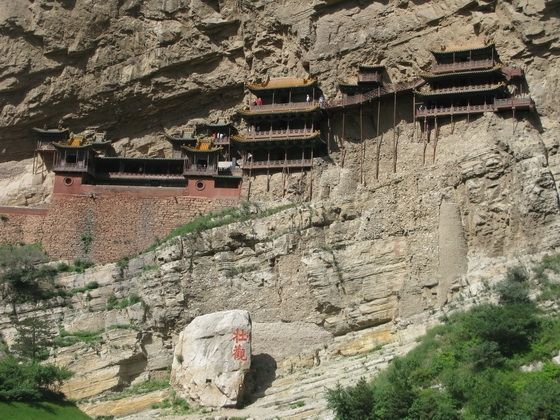
The Hanging Temple was built in 491 in the reign of Beiwei Dynasty, has survived more than 1,500 years. This extant monastery was rebuilt in Ming Dynasty and Qing Dynasty. There are now about 40 rooms and structures linked by a creative system of pillars, walkways and posts.
There are totally over 80 religious statues of copper, iron, rock and clay. The Hanging Monastery is famous internationally both for its architecture and religious heritage. The Hanging Monastery is itself an architectural wonder! The most uniqueness of the the Hanging Monastery is its combination of Buddhism, Taoism and Confucianism! They live happily together, rarely seen in the world.
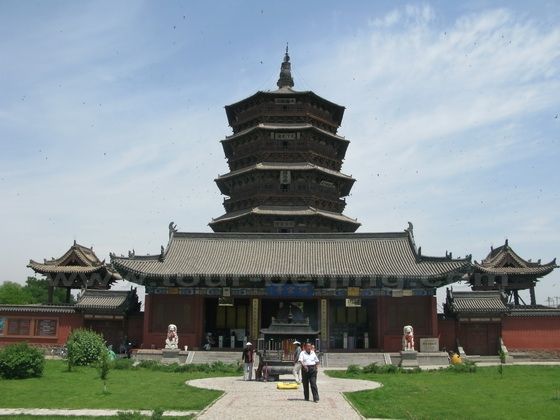
The pagoda is 67 meters high the pagoda with a 9 story octagonal building. It was was buit without using any nails. It is admired as one of the Three Wonders of Pagoda in the world" together with Eiffel Tower in France and leaning Tower of Pisa in Italy.
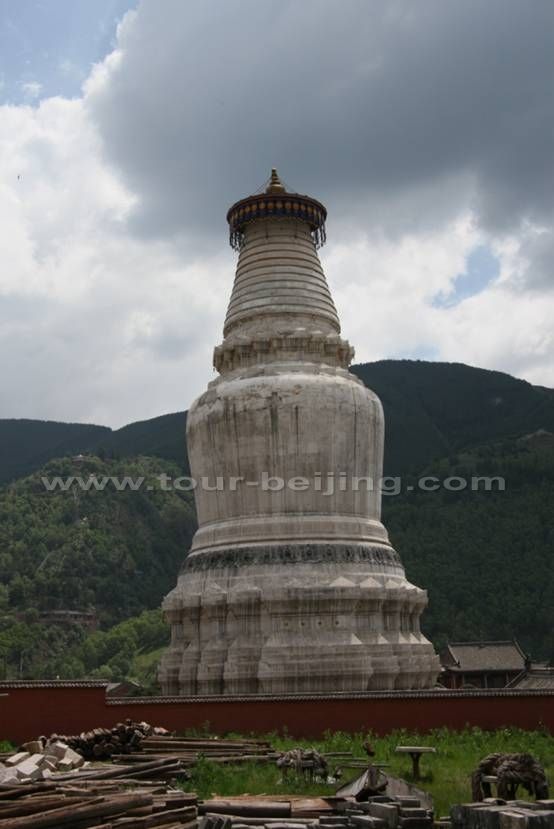
Located 115 km southeast of Yingxian Wooden Pagoda with an altitude of about 9,000 feet. It is surrounded by five peaks up to 11,000 feet high. There are dozens of temples in the town itself and dozens more on the surrounding peaks. The major sights at Wutaishan are rather spread out, forcing one to indulge in the gorgeous scenery that surrounds the five terraces.
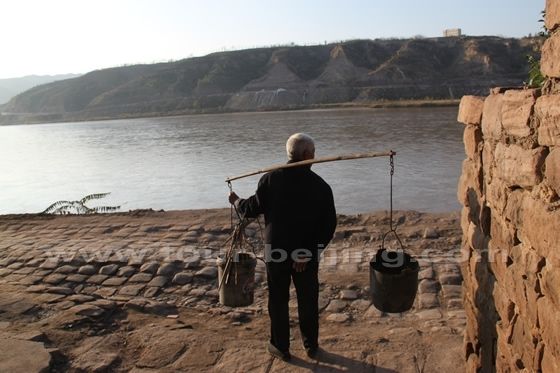
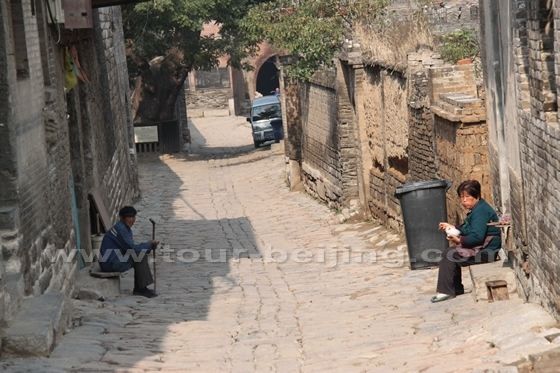
Qikou Town is a rarity of well-preserved ancient town in the style of Ming and Qing Dynasty (1368 – 1911). Unlike the noisy and a bit commercialized ancient Pingyao City, Qikou has kept much of its original outlook, mainly owing to its remoteness and inaccessibility.
“Qi” in Chinese literally means “sand and rock in water”. “Qikou” is a place where the massive Yellow River suddenly narrows its riverbed to 80 meters wide with submerged sand and rocks from the upper 500 meters wide riverbed, a bottleneck which challenged the waterway transportation on the Yellow River.
Lijiashan Village and Xiwan Village are the two villages well known for their cave houses hugging the hillsides with terraces of crops, a great charm for travelers who want to experience the vernacular dwellings in Shanxi.
How to get there
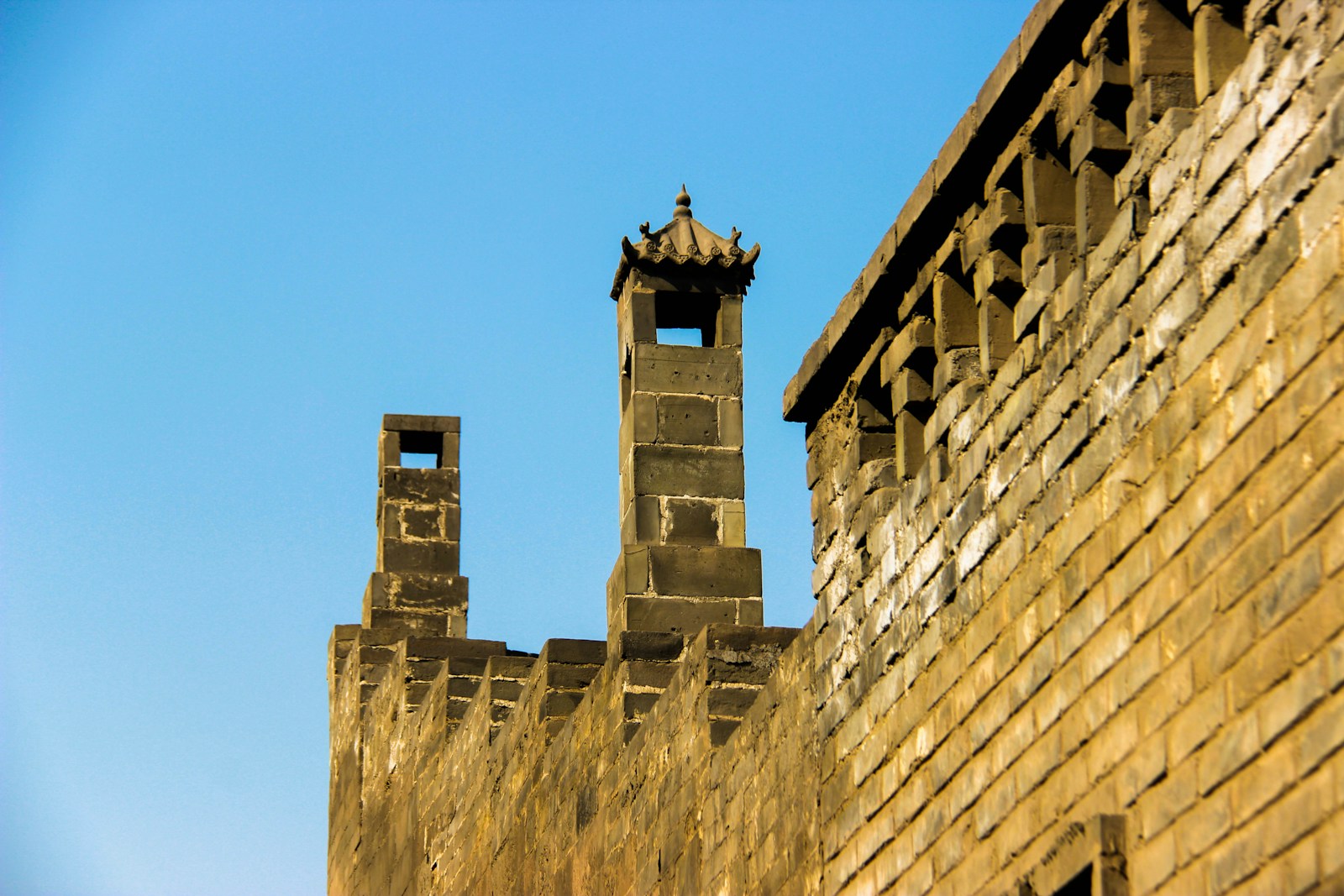
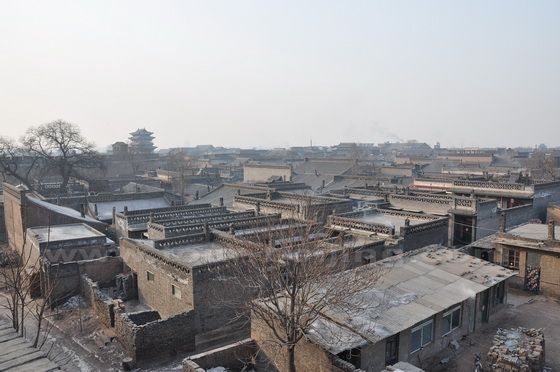
Pingyao is a small town in central Shanxi Province,near Taiyuan. Pingyao boasts plenty of cultural relics. The city wall was first built during the Zhou Dynasty (11th century - 256 B.C.) and was expanded in 1370, the third year of the reign of Ming Emperor Hongwu.
Situated on the trade route between Beijing and Xi'an, Pingyao developed into a business center with the use of the nation's earliest banks. These organizations were the first in China to use checks, and business came up in the 19th Century, when the city was the financial center of the Qing government.
You may visit Hukou Waterfall coming from Xian, Yan'an, Pingyao, Taiyuan and Beijing. Take a morning bus at 8:00am from Yanan South Bus Station and you will arrive at Hukou Waterfalls around 11:00am. Again the return bus will take you back to Yanan.
Yanan has plentiful trains going to Beijing, Taiyuan and Xian. Yanan also has a medium-sized airport which has flights for Beijing, Shanghai, Guangzhou and etc.
Zhangbi Village is located about 16km to the east of Jiexiu and 56km to the south of the ancient city of Pingyao. People visiting Pingyao often take a side trip to Zhangbi ancient village and Wang Family Courtyard.
Many guesthouses in Pingyao arrange join-in or a private day tours bringing you to this castle-like ancient village. You may also use public transport from Pingyao Bus Station to Jiexiu Bus Station, then from Jiexiu, try to find a local bus running for Zhangbi Village. The entrance is RMB 60. Basically people need approx. 2 hours to visit the ancient castle of Zhangbi.
With high walls and castles above the ground and the three layers of tunnels underneath, Zhangbi Village (Zhangbicun) is often nicknamed as “Zhangbi Ancient Castle” or “Zhangbi Underground Castle.
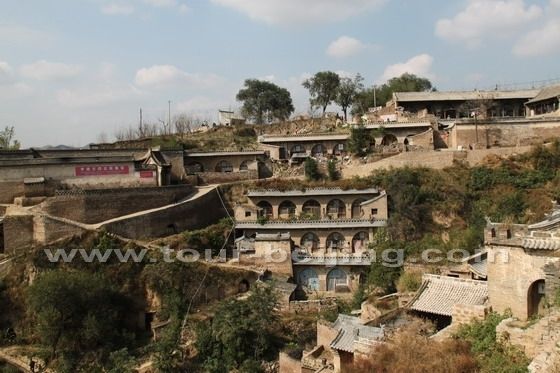
Lijiashan ( Li Family Mountain), a long-forgotten ancient settlement of cave dwellings. Lijiashan Village sits on the both sides of the valley in Lijiashan Hill, about 10km south of Qikou Town across Qiushui River, a tributary of the Yellow River.
Lijiashan is a village now. But in the ancient time, the villagers in Lijianshan were not farmers and they were rich merchants’s families living on the income from the port trading business in Qikou Town.
If you understand this, you won’t be surprised if you see the faded, but still seemingly magnificent cave houses. These are not earth caves dwellings, they are brick, stone and tile cave dwellings built deep into the hillsides at theirs backs, but have front courtyards of bricks and tiles, just like a Chinese traditional courtyard.
Beside its exquisite courtyard architecture, Wang family grand compound boasts delicate and ornate brick, wood and stone carvings. Carving works can be seen almost anywhere in the compoud of the Wangs and each piece of the work is fine and ingenious. As an important part of the courtyard’s architecture art, the carvings demonstrate the artistic level of the time.
Open hours: 08:00 – 19:30 ( summer ); 08:00- 18:00 Open all year
Entrance Fee: RMB 66
Two diret buses go from Pingyao Bus Station starting 8:50am and 1.10pm for Wang Family Courtyard and returning at 12:40pm and 4:00pm from Wang Family Courtyard. Or you may first go to Jiexiu from Pingyao, then connect the local buses from Jiexiu to Wang Family Courtyard. A taxi rental costs about RMB 300 from and to Pingyao.
Share a question or note for this guide. Comments are reviewed before publishing.
Hand-picked routes matched from this article's destination clues, tags, and categories.
Use these attraction notes to connect nearby sights with tours, destination guides, and planning articles.
Continue planning with practical Beijing guides selected from similar places, themes, and travel questions.
Subscribe to receive Beijing travel ideas and tour updates.