
Call a local advisor
+86 186 1196 4400Email our team
[email protected]Tour Beijing Journal
While you are planning either Beijing tour or Xian tour, the two places...
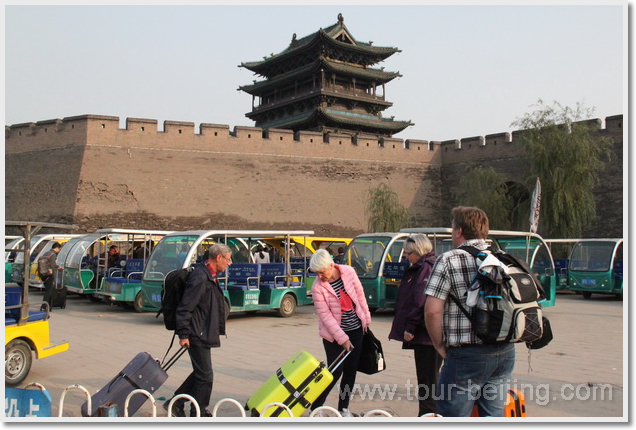
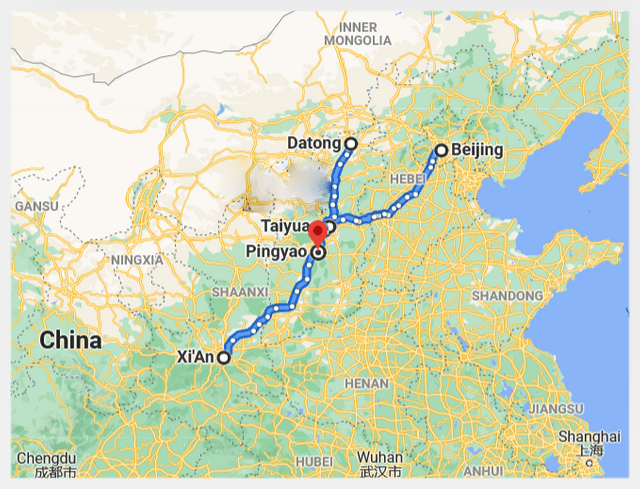
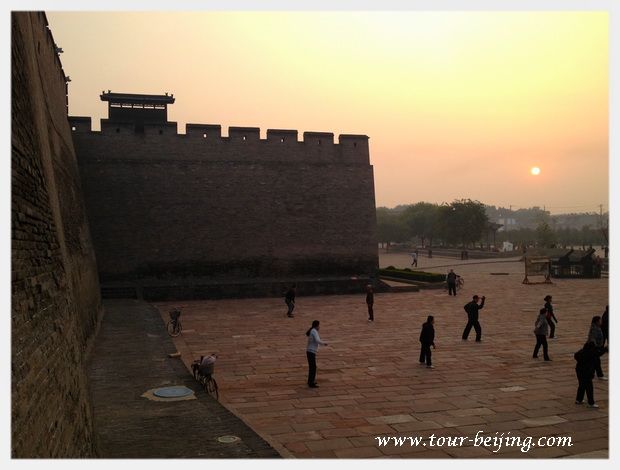
While you are planning either Beijing tour or Xian tour, the two places sought after by most of the oversea first-time visitors coming to China, one gem you maybe should not miss, which lies between Beijing (610km to the southwest of Beijing) and Xian (543km to the northeast of Xian) – that’s Pingyao, officially Pingyao Ancient City (平遥古城), the most well-preserved ancient city in China.
The Ancient City of Ping Yao was listed as a World Heritage Site in 1997, including the outlying Zhenguo Temple and Shuanglin Temple.
The original city construction of Pingyao goes back to Xuanwang in Xizhou Dynasty (827 BC – 782 BC). The present ancient city wall was built during the 3rd year of Hongwu in Ming Dynasty (1370).
The ancient city of Pingyao retains the basic layout of a county-level city in the Ming and Qing dynasties (1368-1911), the most well-preserved ancient city built by Han people.
In the late Qing Dynasty (1644 -1911), Pingyao became the financial center of China. There were as many as over 20 financial institutions (Exchange Shops) within the city, making up more than half of total in the whole China. Rishengchang was founded in Qing Dynasty(1824) and well known as the first bank in China, the birthplace of China’s “Wall Street”.
You may be disappointed at the fast pace of the urban and rural developments in China. Much of the rural areas have been urbanized with the rapid decrease of arable land; urban areas have been overdeveloped with high-rises booming and influx of rural migrants.
Today’s China is probably a world of difference from what you expect. Pingyao is one of the few places where you are able to see, feel and touch the real and authentic China in the past, thus allowing you to understand the real china in the mix of glorious past the the rapidly revolving modernity.
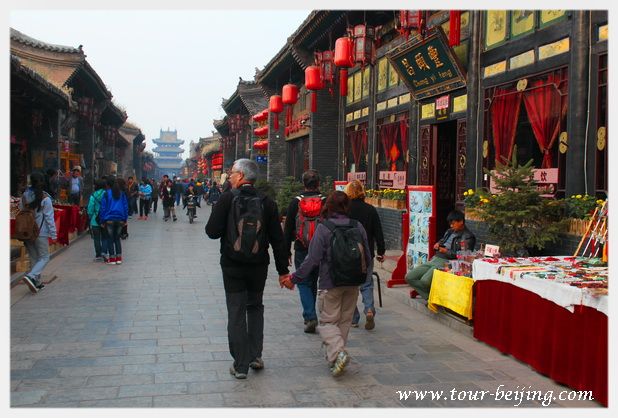
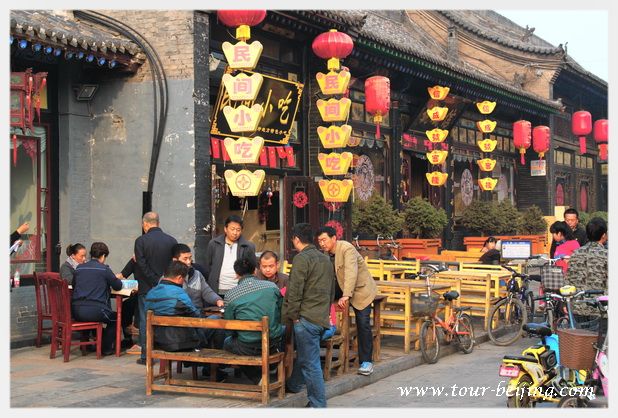
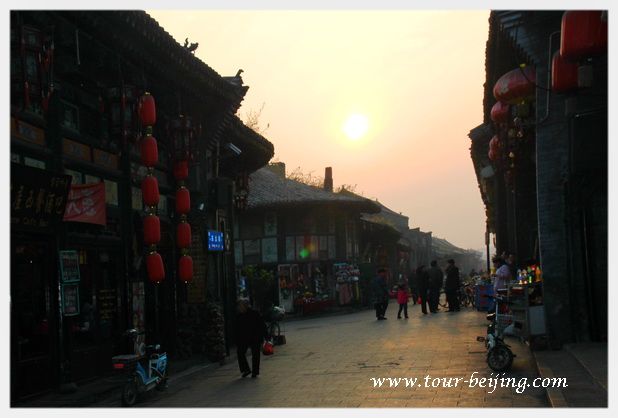
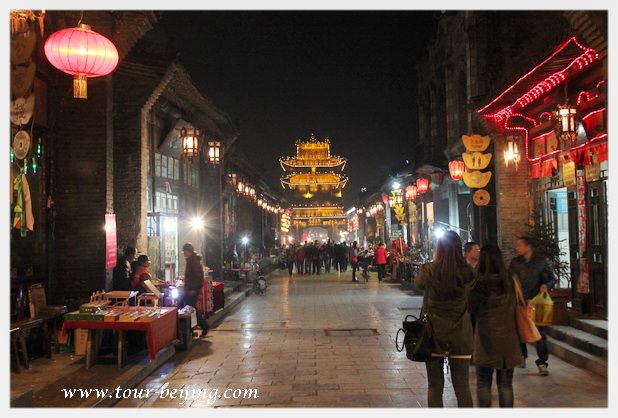
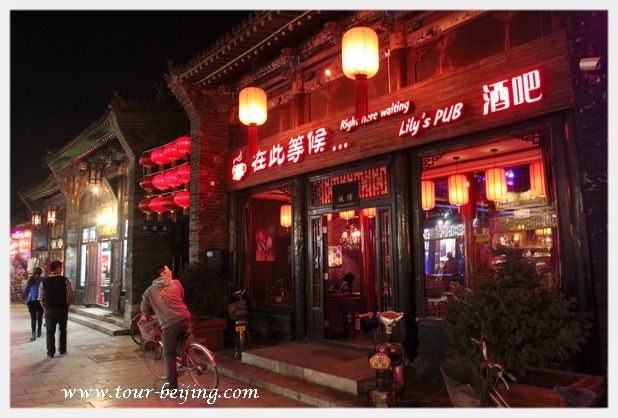
There are still over 4,000 Ming- and Qing-style residences remaining in the old city. The main streets are rife with storefronts which still largely retain their historical appearance.
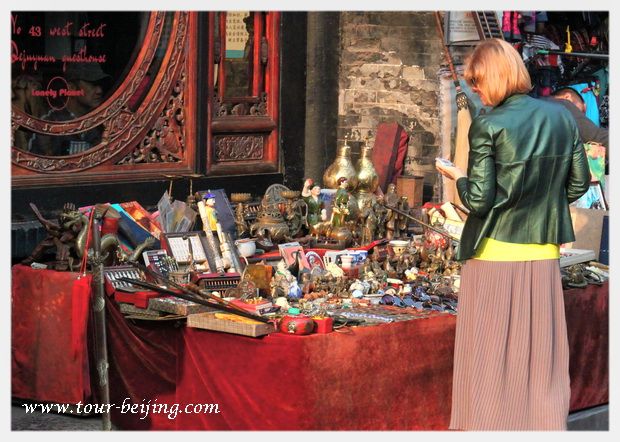
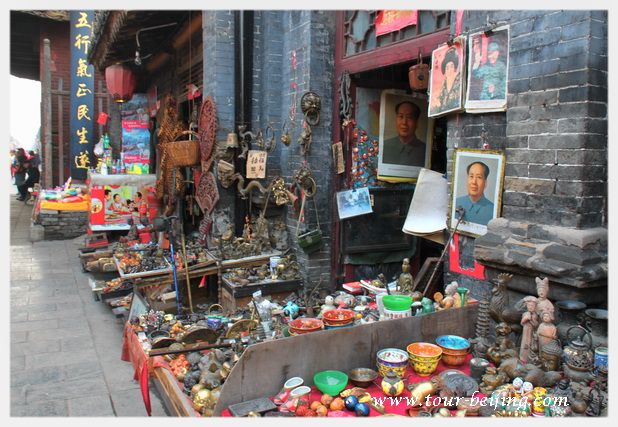
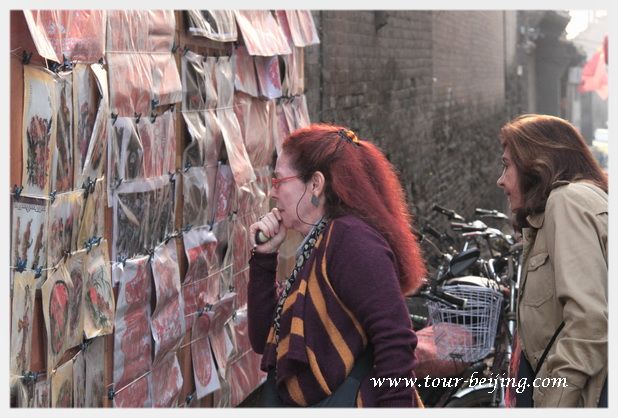
Strolling along the old streets and looking for a souvenir is feeling like going along the time passage, like paper cuts, shoe soles, combs, and the list could be much longer. If you are a curio expert, maybe you can encounter a “real antique”.
Pingyao is now accessible by high speed trains (apart from the regular trains) coming from Taiyuan, Datong, Beijing and Xian, making it an even hotter travel destination.
There are two railway stations in Pingyao. If you take the high speed train, you will arrive at Pingyao Ancient Railway Station (a new station); if you take the regular train, you will arrive at Pingyao Railway Station ( the old station).
Pingyao Ancient Railway Station is located about 8 km to the southwest of Pingyao Ancient City; Pingyao Railway Station is located about 1000 meters to the northwest of the ancient walled city of Pingyao.
Taiyuan, the regional capital city of Taiyuan Province, 80km north of Pingyao, is also a good springboard for those who have a Pingyao tour since Taiyuan is a transportation hub in Shanxi Province. You can take the long-distance bus or trains ( high speed or regular trains ), even take a taxi going to Pingyao.
For busing from Taiyuan to Pingyao, you should take the buses from Taiyuan Jiannan Passenger Coach Station (太原建南车站)going to Pingyao, and it takes about 2 hours with plenty of buses leaving every 20 minutes.
The buses from Taiyuan arrive at Pingyao Bus Station which is just next to Pingyao Railway Station, Pingyao Bus Station is 1000 meters to the northeast of the west gate of the ancient walled city of Pingyao. Check out How to get Pingyao by Bus for more information.
The best time to travel to Pingyao is autumn and winter, since the landscapes of Pingyao are most beautiful during the two seasons. But different seasons give the ancient city different appearances.
Spring in Pingyao is quite short with cool and dry climate. The continental monsoon half dry climate makes Pingyao a large temperature difference between day and night in spring, and strong wind but little rainfall. What’s more, the windstorm is commonly taking place in this season, so remember to take sunglasses and sun cap and avoid wearing light color clothes. Drink as much water as possible in case of becoming dry lip.
In summer, it is usually very hot and lots of rain in Pingyao. The temperature stays quite high, and most of the rain falls in this season.
There are a plethora things to do or see in Pingyao, keeping you busy day and night for a few days, or you just do nothing, sitting out front to watch the world go by.
Rishengchang Draft Bank, located in the west street within the ancient city of Pingyao, has been renamed “the museum of Chinese Piaohao. Here we can see the complete managing business of Rishengchang, lots of valuable materials and material objects, well known as the first bank in China, the birthplace of China’s “Wall Street”.
Unlike other big cities bestowed with big lavish hotels, Pingyao features small guesthouses, hostels and hotels, most of them offering over 20 some rooms. Almost all hotels are built based on the traditional courtyards, old houses in the northern China.
These old courtyards turned guesthouses and hotels hold a great interest for western travelers, sipping tea or coffee in an elaborated courtyard, sleeping on stone beds ( Stone Kang Beds), and immersing themselves in traditional Chinese atmosphere. There are over 20 courtyard turned guesthouses and hotels available for your choose.
If you have no fancy for stone kang beds and prefer to stay in a splurge hotel with modern facilities, Pingyao will not let you down. The Kylin Grand Hotel is a 5 star hotel with spacious rooms equipped with luxury facilities.
Follow us to have a virtual tour of Pingyao Ancient City.
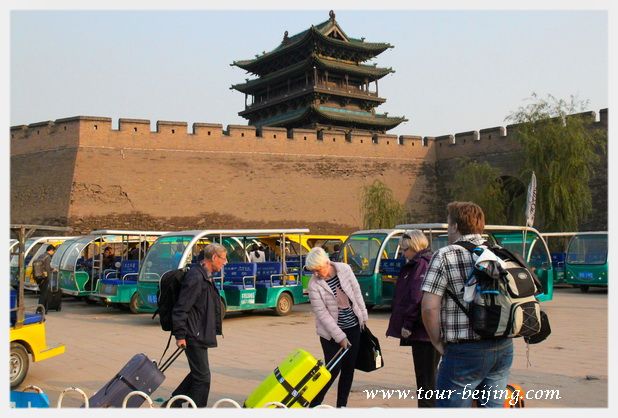
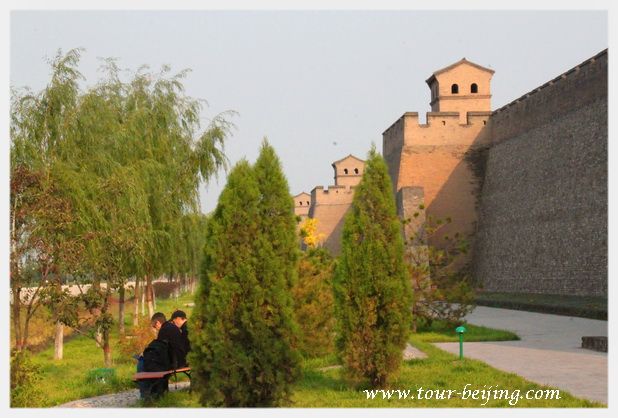
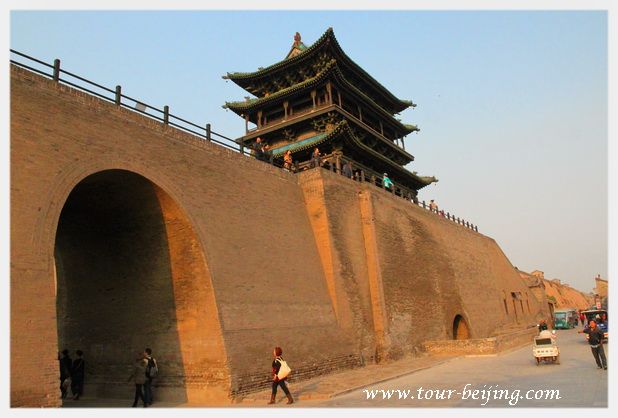
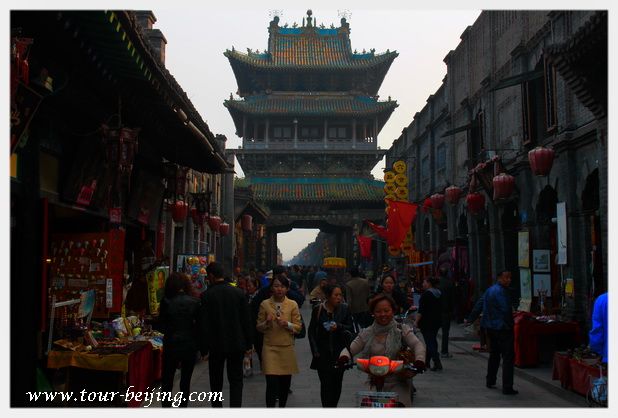
If you don’t want to do a self-guided tour and prefer the hassle-free escorted tours, here are some options for organized tours to Pingyao and Shanxi Province:
Shanxi Tour
Share a question or note for this guide. Comments are reviewed before publishing.
Hand-picked routes matched from this article's destination clues, tags, and categories.
Use these attraction notes to connect nearby sights with tours, destination guides, and planning articles.
Continue planning with practical Beijing guides selected from similar places, themes, and travel questions.
Subscribe to receive Beijing travel ideas and tour updates.