
Call a local advisor
+86 186 1196 4400Email our team
[email protected]Tour Beijing Journal
Plan your Pingyao tour? The Ancient City of Ping Yao with its associated...
Plan your Pingyao tour? The Ancient City of Ping Yao with its associated temples of Shuanglin and Zhenguo has preserved authentically the elements and features that reflect the Han cities from the 14th to 20th century, including the overall layout, architectural style, building materials, construction craftsmanship and traditional technology, as well as the internal relations between the overall cityscape and the elements. Ancient City of Ping Yao truly reflects the traditional dwelling form and lifestyle of the Han people (from unesco.org).
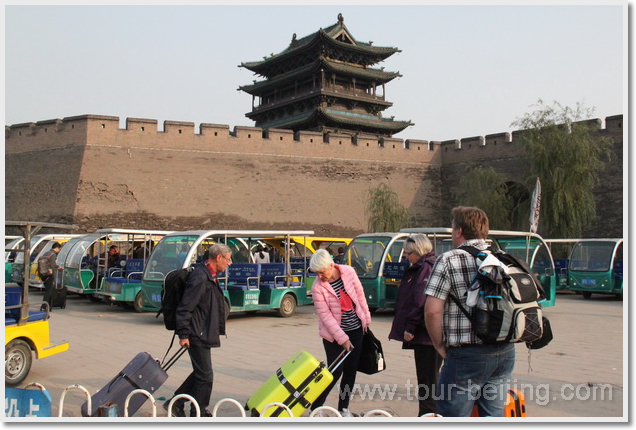
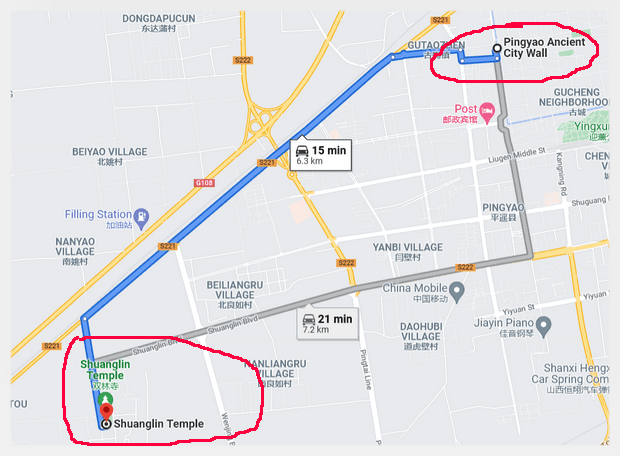
Zhenguo Temple is located in Haodong Village (郝洞村)15km to the northeast of Pingyao Ancient City. At the time of my writing, there is no direct public transport connecting the old city of Pingyao and Zhenguo Temple. Basically you need to take a taxi or rent a private vehicle to visit Zhenguo Temple.
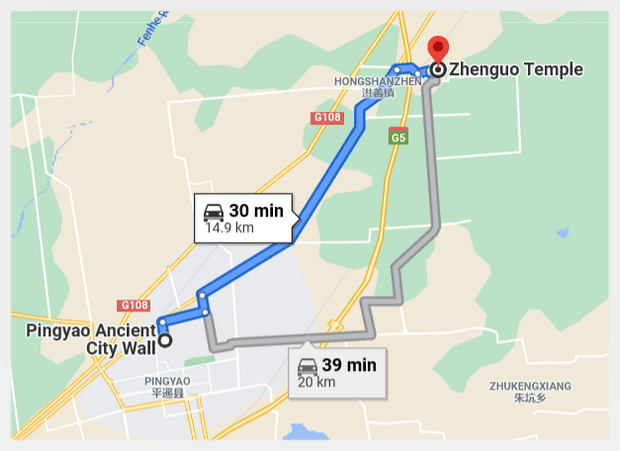
There is a Bus No 9 starting from Pingyao Station going Haodong Village. I've never had any experience taking the bus line and it's said taking the Bus 9 is daunting and time-consuming. My suggestion is to take a taxi or talk to your lodging hotel to arrange a private car for a small amount of money. Or you may share a taxi or car if you travel in a party, making the thing much easier.
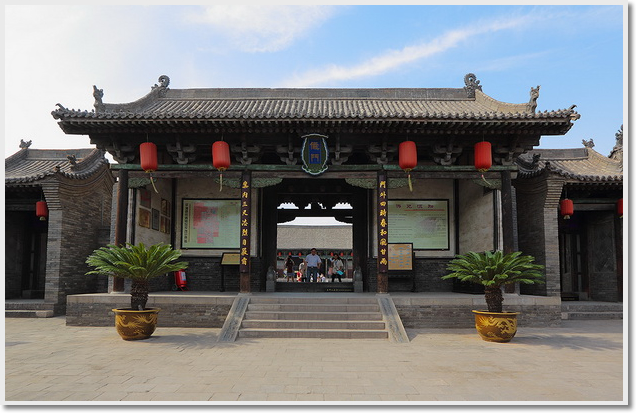
Zhenguo Temple faces to the south with the Hall of Heavenly Kings (Tianwang Hall) as its gate. After the Tianwang Hall are the two main halls - Wanfo Hall and Sanfo Hall which form two courtyards in between. On both sides of the two courtyards are several side halls. There is a high wall circling the entire compound.
Wanfo Hall is the oldest building in Zhenguo Temple dating back to the year 963 in the short-lived North Han Dynasty. Originally, the temple was named as Jincheng Temple. In the year 1541 in Ming Dynasty, the temple was renamed as the present name - Zhenguo Temple.
Zhenguo Temple is noted for Chinese traditional wooden structures featuring very large brackets holding up the roof and flying eaves as well as the sculptures inside the halls.
Follow me to enter the 1000-year-old Buddhist temple.
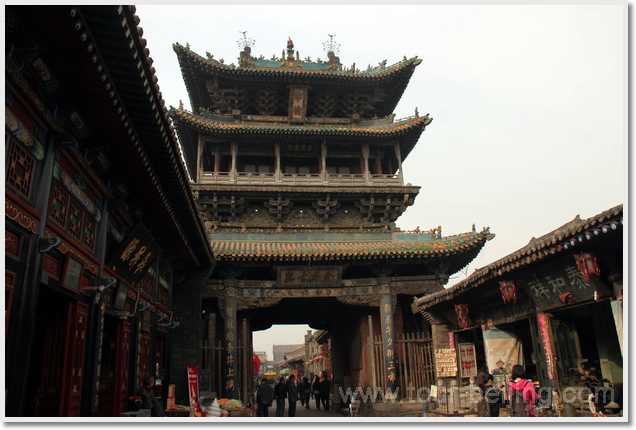
This is the Temple's pailou - Chinese traditional archway and behind the pailou is a large parking lot and a clean public toilet.
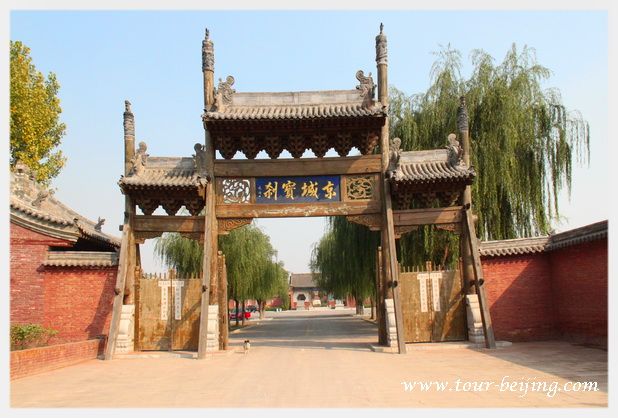
The ticketing office is by the outer entrance to the temple. RMB 25 per person. This is the entrance to the temple complex.
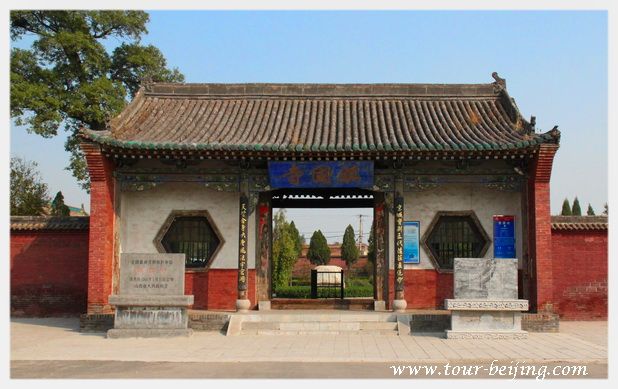
Once you enter the entrance above, you'll see a spacious and open compound, again you'll see the real gate to the temple and the gate building is known as Tianwang Hall( Heavenly King's Hall.
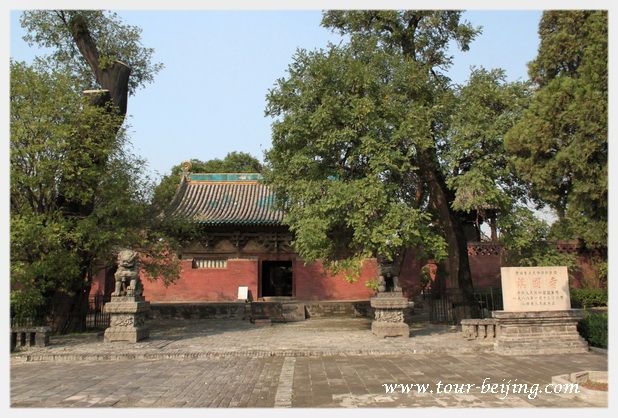
The hall was built in Yuan Dynasty ( 1271 - 1368 ) and rebuilt for many times. Inside the hall are statues of the four heavenly kings.
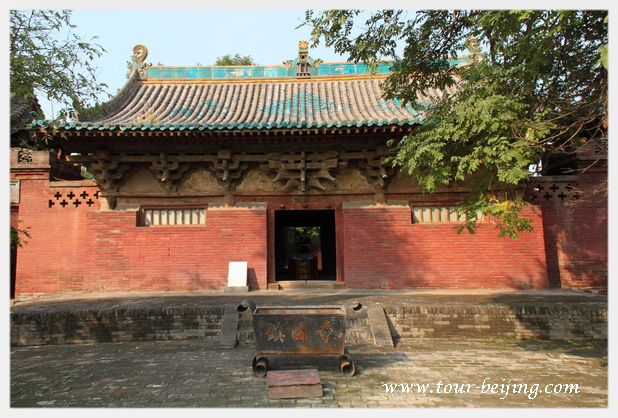
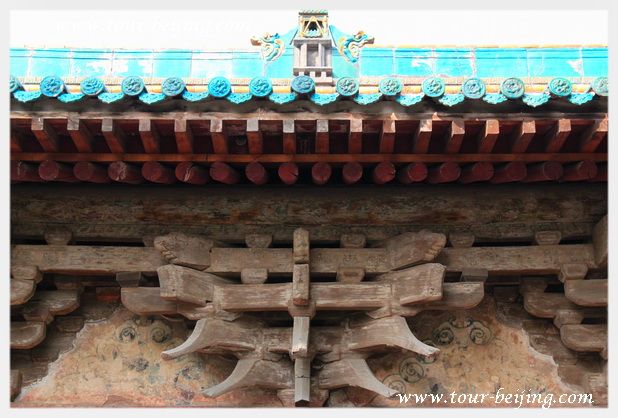
North of Zhenguo Temple is the Wanfo Hall. Wanfo Temple was built in 963, the oldest building in the temple. Inside the hall there are eleven painted sculptures built in Five Dynasties ( 907 - 960) and the frescos of 1000 Buddhas.
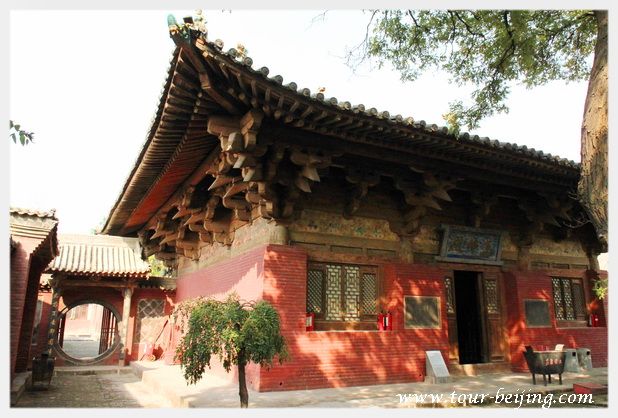
It is one of the oldest wooden structures in mainland China. It differs from other wooden buildings in that it lacks a single nail, making it a gem of ancient Chinese architecture.
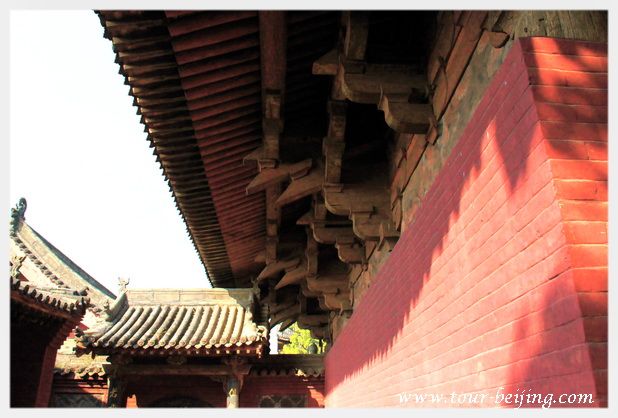
Through the side gates, you can enter the second courtyard north of Wanfo Temple.
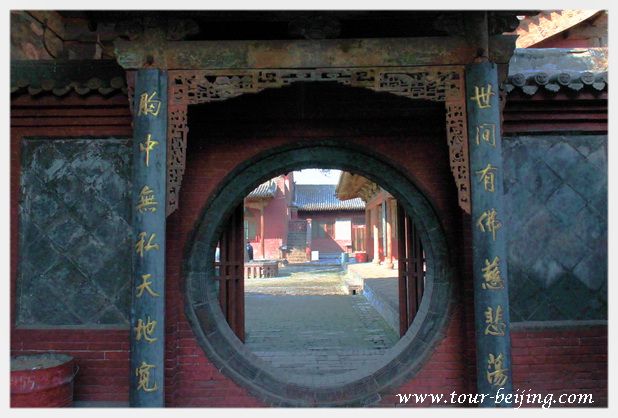
The second courtyard is centered by the main hall known as the Three Buddhas Hall flanked by the Guanyin Hall in the west and Dizang Halls in the east, which both date from the Ming Dynasty ( 1638 - 1644 ).
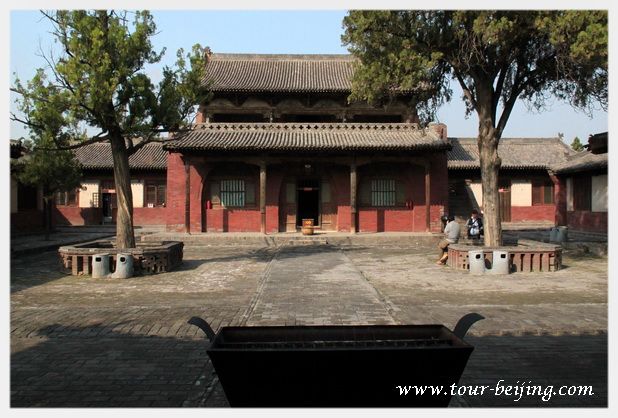
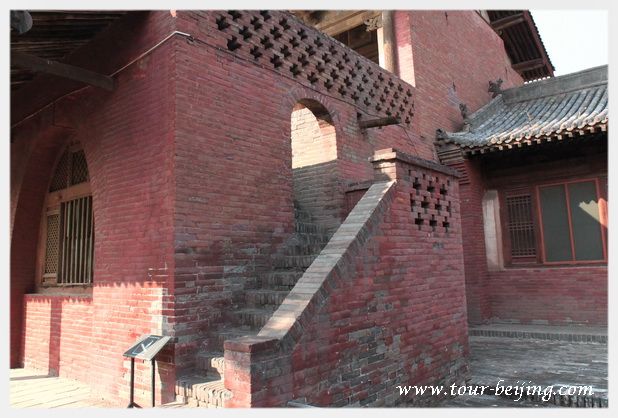
The Three Buddhas Hall was built in Ming Dynasty with painted sculptures and frescos. The life story of the Buddha was represented with well-executed frescos on the two walls.
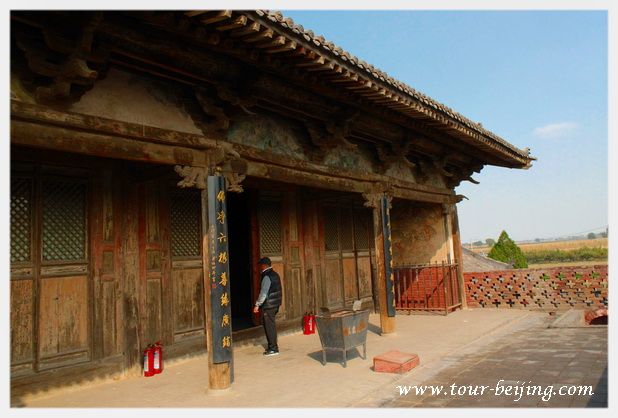
By the entrance stands on the two large painted sculptures.
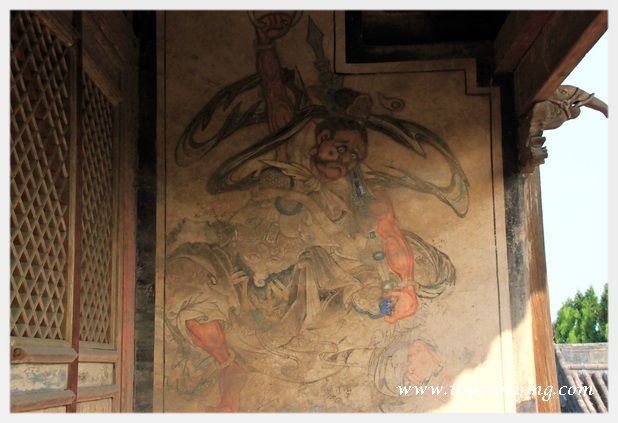
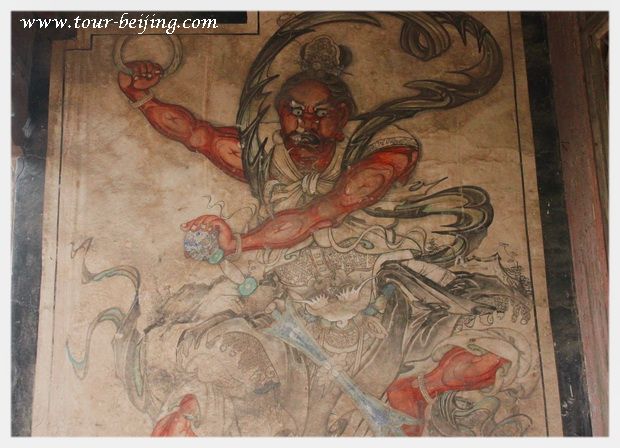
If you don’t want to do a self-guided tour and prefer the hassle-free escorted tours, here are some options for organized tours to Pingyao and Shanxi Province:
Shanxi Tour
Share a question or note for this guide. Comments are reviewed before publishing.
Hand-picked routes matched from this article's destination clues, tags, and categories.
Use these attraction notes to connect nearby sights with tours, destination guides, and planning articles.
Continue planning with practical Beijing guides selected from similar places, themes, and travel questions.
Subscribe to receive Beijing travel ideas and tour updates.