
Call a local advisor
+86 186 1196 4400Email our team
[email protected]Tour Beijing Journal
China is abundant with mesmerising lakes, and it is impossible to sift...
China is abundant with mesmerising lakes, and it is impossible to sift through all of them in our life time. We try to round up some of the best lakes in China in terms of its Mother Nature and the interesting tales or history behind.
You may use our Top 10 List as your inspirational trip ideas to plan ahead for your next trip to China.
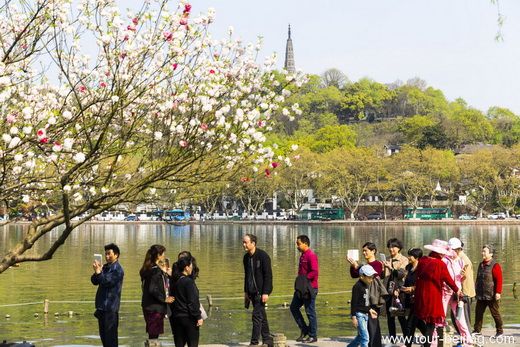
Location: West Lake is located on the west of the city center of Hangzhou, the capital of Zhejiang Province. It is surrounded by the hills on three sides: north, west and south with its east side abutting the city center. West Lake is 3.3km long from north to south and 2.8km wide from east to west with a circumference of 15km. West Lake ws listed as world cultural heritage in June 2011.
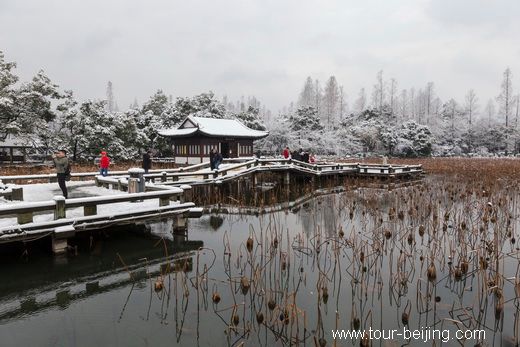
I put West Lake in the first place is very subjective largely because I’m from Hangzhou. More specifically I was born and grew up with West Lake, which is always lingering in my mind and takes its root in my heart. For me, West Lake is the most beautiful lake in China. It is located within a modern city, easily accessible, close to people with more human nature like a delicate beauty, a gleaming pearl dropped from the heaven.
Just read my another article Burjin - Kanas Lake - Jiadengyu for more information.
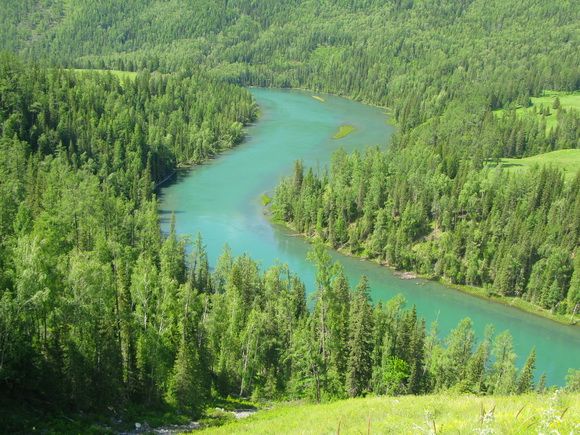
The Kanas Lake (Kanasi Hu) means “beautiful, rich and mysterious” in Mongolian. The lake is nestled in the deep forests and mountains of Altay. The lake is 1,374m above sea level and covers an area of 45sqkm (10 times bigger than Tianchi on Bogda Mountain) with the deepest point of 188m. The long bean-shaped lake reflects the surrounding snowcapped mountains. Legend has it that huge monsters live in the lake. They often has take away horses and camels drinking into the water by the lake and later swallow them, a similar story of “Nessie Monster” in Scotland.
Qinghai Lake is located 151 km west of Xining’s city center, in Qinghai Province. It is the largest inland lake and saline lake as well in China with a circumference of 360 km and average depth of 21 meters. Qinghai Lake is formed by Datong Mountain and Riyue Mountain of Qilian Mountain Ranges, and South Mountain in Qinghai and fed by over dozens of rivers and streams.
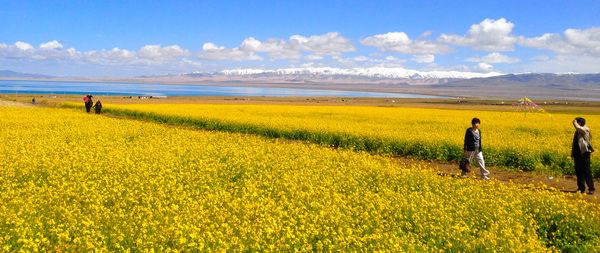
Qinghai Lake has long been one of the biggest draws in Xining, the capital of Qinghai Province which lies on the northeast of Tibetan Plateau. At the altitude of 3200 meters, Qinghai Lake boasts great charms – Blue sky and water, white clouds and green grassland, and amazing rape flowers, a wonderful summer resort and mesmerizing landscape.
Summer ( July-August ) is the best time to visit Qinghai Lake. September and early October is also a good time to have a glimpse of the lake though most of the grasslands have turned brown.
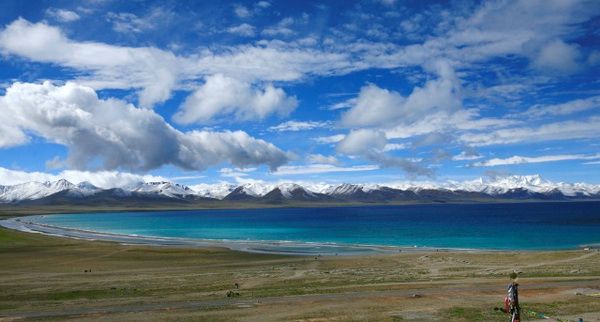
The lake is composed of 5 islands with the largest island of 1.2 square kilometers. It is said by the Buddhists that they are the avatars of five Buddhas. The lake is rich in all kinds of fishes, snow lotus, caladium and the place for wide animals dwelling. The lake is clear, flickering blue light under the sunshine, which seems to wash your soul cleanly.
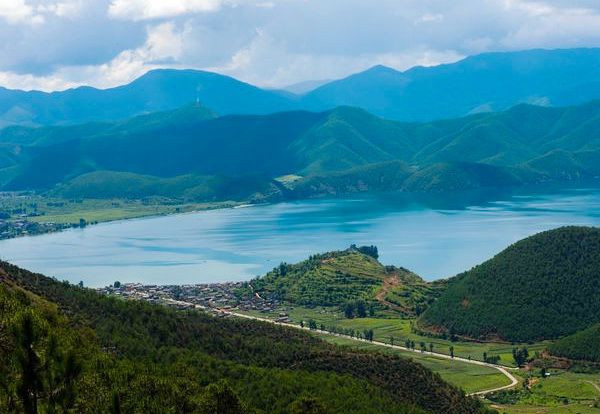
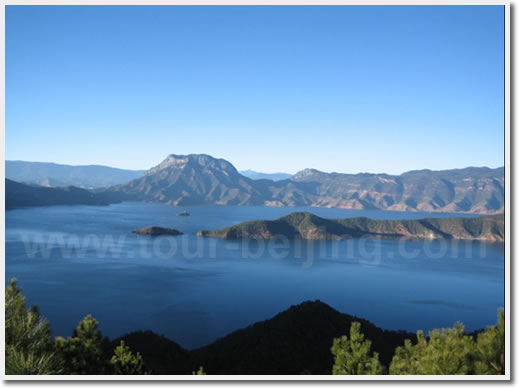
Lugu Lake is woven with beautiful legends and teemed with poetic landscape. Lugu Lake is pure and azure without any pollution, 11 meters visible, which is very rare. The lake area is inhabited by many minority ethnic groups, such as the Mosuo, Norzu, Yi, Pumi and Tibetan. the Mosuo people (“Moso”), are said to be a sub clan of the Naxi People. The lake is also well-known as the region of “The Kingdom of Women” . where the Mosuo women have the the dominant role in their society.
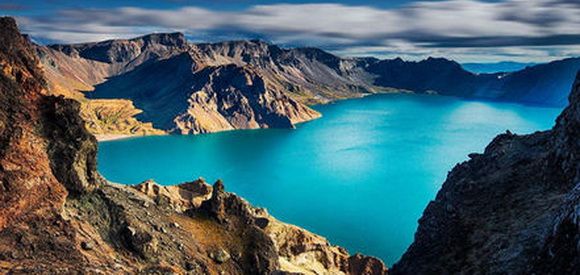
Tianchi Lake has a surface elevation of 2,189m. The lake takes an area of 9.82 square km with a south-north length of 4.85 km and east-west length of 3.35 kilometres. The average depth of the lake is 213m and maximum depth of 384m
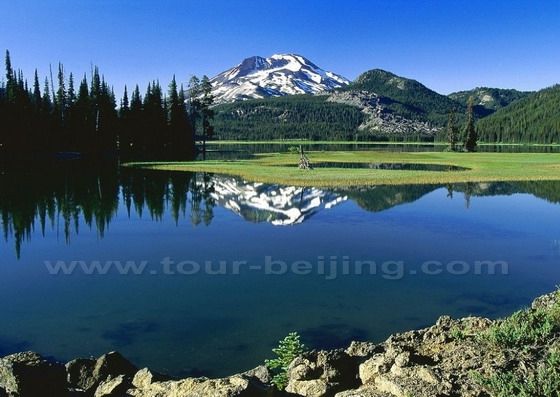
The northern side of the river runs down the Diaoshuilou Falls, a 40 meter waterfall caused by the lake. Jingpo Lake is well known for its craggy limestone cliffs and its azure waters containing 40 types of fish and fresh water coral.
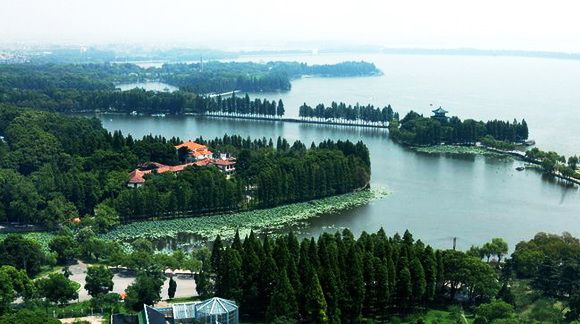
The East Lake is located in the eastern suburb of the Wuchang City of Wuhan. Built into a park after the founding of new China, it was listed among the first batch national key scenic resorts by the State Council in 1982.
The East Lake Park covers an area of 87 square kilometers, of which the water area is about 33 square kilometers. The lake has bending banks. The park can be divided into 6 parts, namely listen to rotes, Mill Hill, fallen wild goose, white horse, piping, and Luohong, among which scenic spots in the listen to rotes area are near each other.
Check my another articlet My Trip to Yamdrok Yumtso Lake for more information.
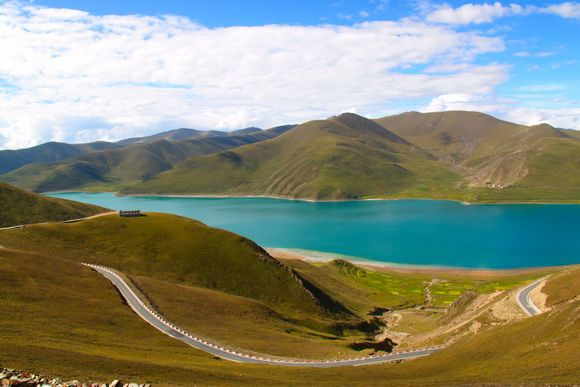
Yamdrok Yumtso Lake is a kind of low salt lake formed by the snow melted water from the snow capped mountains nearby. The lake looks like a holy sapphire. Under the clear azure sky, the clean water of the lake is as smooth as the surface of fine blue jade. Yamdrok Lake is said to be be the female Guardian of Buddhism in Tibet. Every year, many local Tibetans and visitors from Lhasa and from other places would come here for pilgrimage or sightseeing.
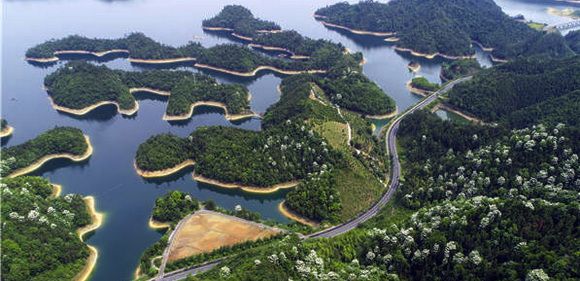
Again Qiandao Lake is from my hometown Hangzhou and I naturally give more attention. But objectively Qiandao Lake is worth the praise and applause from travelers who have made trips to the lake. Qiandao Lake is well known for its clear, and drinkable water in some places where the renowned Nongfu Spring brand of mineral water is produced. It also accounts for green forestation and exotic islands. Qiandao Lake’s population include Snake Island, Bird Island, Monkey Island, Lock Island and more.
If you don’t want to go the do-it-yourself route and prefer the hassle-free escorted tours, here are some options for China guided tours:
Share a question or note for this guide. Comments are reviewed before publishing.
Hand-picked routes matched from this article's destination clues, tags, and categories.
Use these attraction notes to connect nearby sights with tours, destination guides, and planning articles.
Continue planning with practical Beijing guides selected from similar places, themes, and travel questions.
Subscribe to receive Beijing travel ideas and tour updates.