
Call a local advisor
+86 186 1196 4400Email our team
[email protected]Tour Beijing Journal
Plan your Hohhot Tour? The Inner Mongolia's capital city of Hohhot is...
Plan your Hohhot Tour? The Inner Mongolia's capital city of Hohhot is usually your springboard to delve into its vast physical regions and the cultural overlay of human presence . If time allows, you can also pop up for a visit in Hohhot. Here we have a list of the top 10 attractions in Hohhot, which may be helpful for arranging your short trip to Hohhot.
Hohhot, the capital of Inner Mongolia Autonomous Region in northern China, lies between the Yinshan Mountain and the Yellow River. 36 ethnic groups and some 50 odd ancient temples make this grassland paradise particularly charming.
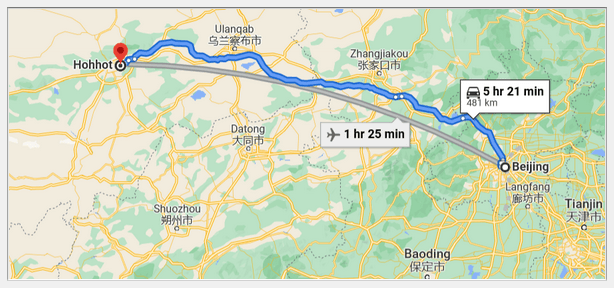
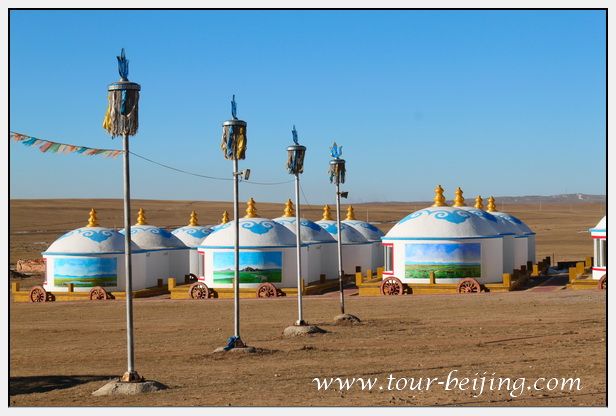
Hohhot is also a common base point for travelers who travel vast grasslands like Gegentala, Huitengxile and Xilamuren on a mesmerizing Inner Mongolia Tour.
For more photos about Gegentala Grassland, check out "My Trip to Gegentala Grassland" for more information.
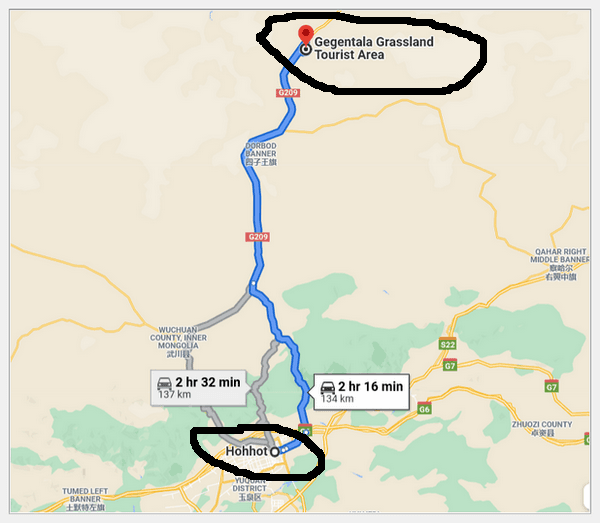
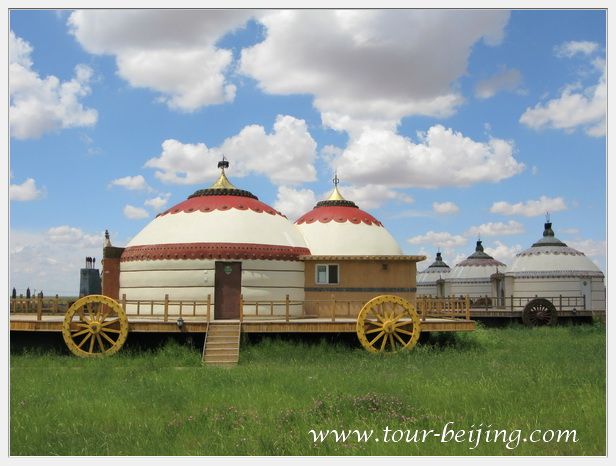
In Mongolian "Gegentala" means a summer resort or the place of grazing in summer. Gegentala Grassland belongs to typical grassland scenery. It is one of the first batches of 4A-class scenic spots of the country.
Huitengxile means “cold plateau” in Mongolian. Huiteng Xile Grassland is located 110 kilometers northeast of Hohhot, and 80 kilometers from the city of Jining.
There are small, yellow flowers covering the mountains. The landscape has erect cliffs and pure, cascading springs. This, set against the boundless grassland and the beautiful delicate color of the Jiangnan water-village, is a magnificent sight.
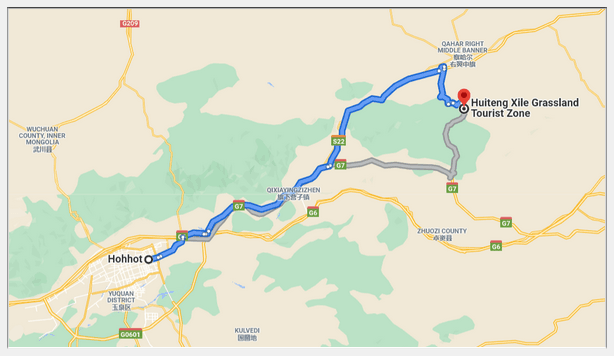
Starting from Hohhot, it takes about 2 hours' drive to get here. The expressway toll is 30 yuan. If you don't want to enter the tourist zone, there is no charge. The parking fee at the entrance of the scenic spot is 10 yuan. The entrance for the Huiteng Xile Scenic Area costs RMB 255 per person. If you only want to have a glimpse of the grassland, no need for entering the tourist area, and the scenery outside the tourist are is also very beautiful, with free parking roadsides.
There are fertile land and plenty of rainfall. Tourists can enjoy their stay here riding on horseback, archery, watching wrestling, and joining in singing and dancing in the open air.
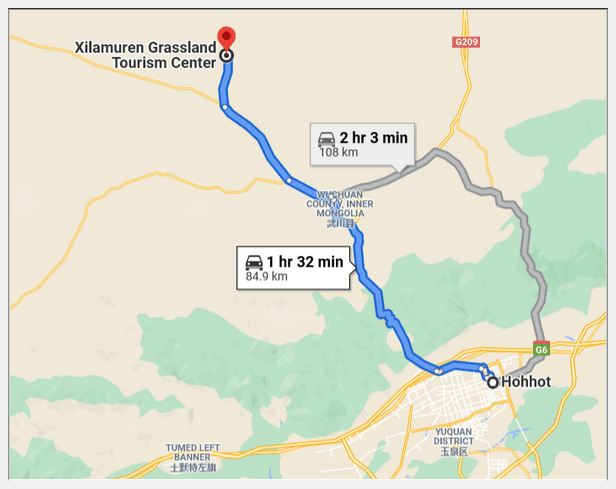
Xilamuren, meaning “yellow river” in Mongolian, is located about 100 kilometers northwest of Hohhot. Xilamuren Grasslands is characterized by rolling hills and lush green grass. Xilamuren Grasslands is the nearest such tourist attraction to Hohhot.
The best time to visit the grassland is in summer and autumn. At this time of year, the pleasant climate, the blue sky and white clouds, the rolling grass, the wandering flocks and herds, the passionate herdsmen and their Mongolian food will undoubtedly leave you with a deep impression. During the Nadam Festival held every summer, tourists can enjoy a series of different activities.
For more photos on Xilamuren Grassland in winter, check out Xilamuren Grassland.
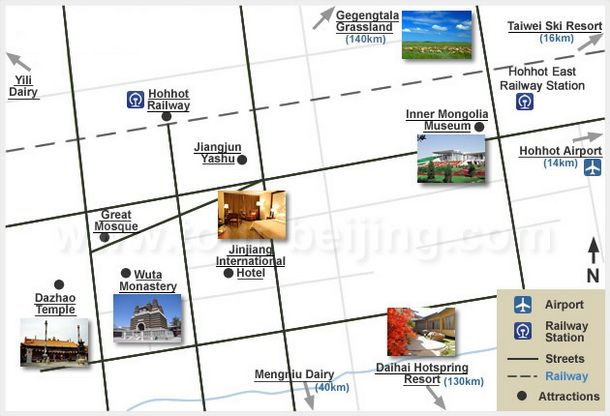
As the oldest building and the largest Gelukpa (Yellow Hat Sect) temple in Inner Mongolia, Dazhao Temple, has considerable position in Hohhot and many important celebrations are also held here. The temple is well-known for the impressive buildings, splendid statues, delicate murals, musical instruments and fine collection of Buddhist scriptures.
Of its abundant religious relics perhaps the most notable are the ‘Three Marvelous Treasures’, a title given to the Silver Buddha, the carved dragons on the huge golden pillars on either side of the statue and the murals commemorating the Emperor’s visit.
For more photos, check out the link: Dazhao Lamasery.
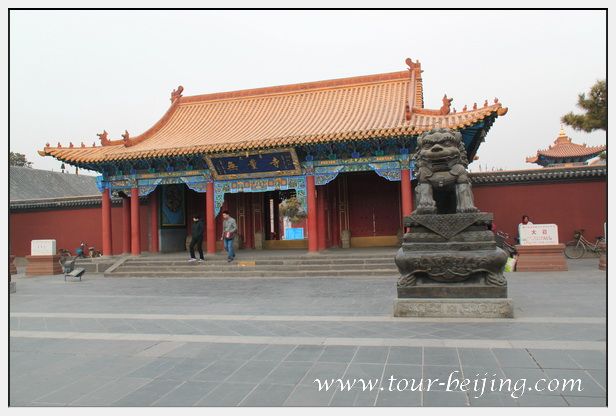
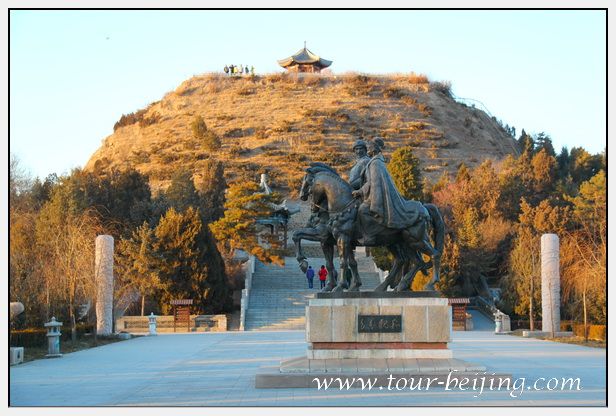
Zhaojun Tomb is not only a burial site but an historic monument commemorating peace between the races. Zhaojun Tomb is a shining pearl on north grassland of China and has become a world famous tourist destination.
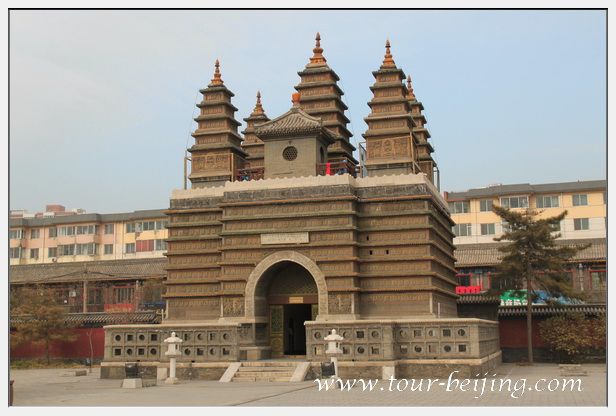
The pagoda is 16 meters high (about 51 feet) and it is composed of three parts: the base, the seat and the top (five pagodas). It is an important Tibetan Buddhist temple.
Situated in Hohhot city, Jiangjun Yashu (General Government Office Site) is the only preserved historical building of cultural relics in Mongolian area of China. It enjoy a higher station in the national historic site of cultural relic.
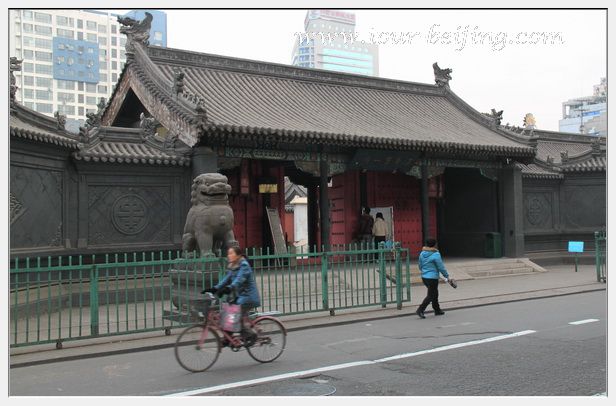
During the Qing Dynasty, in order to consolidate the northwest boarder, in addition to the Hohhot city, Qing Dynasty ordered to build new town called Suiyuan city. This historic site is the former General Government Office.
In 2007, the construction of the new Inner Mongolia Museum was completed. It is located at the intersection of the East Second Ring Road and Xinhua East Street in Hohhot. The original Inner Mongolia Museum building has been replaced by the new Museum.
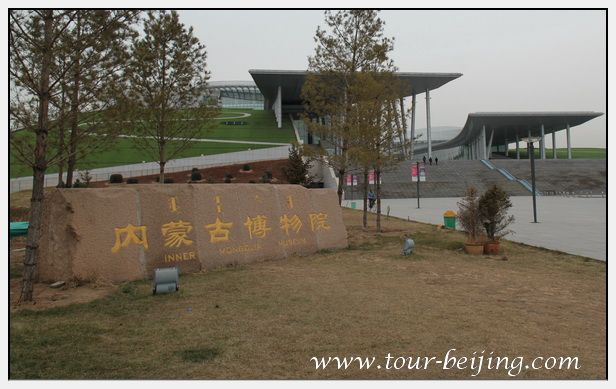
The exhibition hall building of Inner Mongolia Museum has unique shape and ethnic characteristics. The top of the building has a galloping horse, a symbol of Inner Mongolia's auspiciousness and takeoff, is one of the landmark buildings in the autonomous region.
The exhibition hall building of the Museum has four floors, of which the second, third and fourth floors are used for exhibition services.
There are four basic exhibitions in the museum, namely, Exhibition of Paleontological Fossils in Inner Mongolia, Exhibition of Historical Relics in Inner Mongolia, Exhibition of Ethnic Relics in Inner Mongolia and Exhibition of Revolutionary Relics in Inner Mongolia.
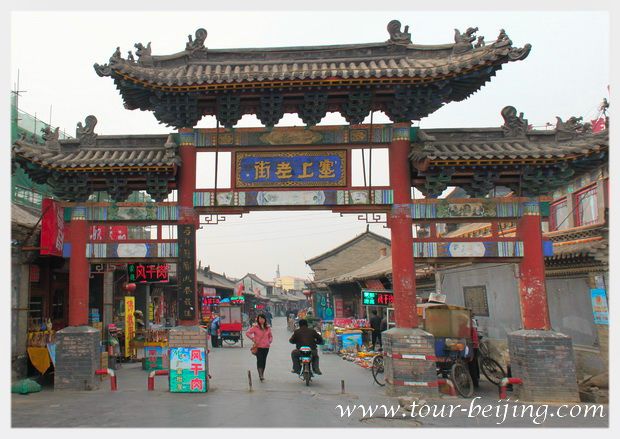
Saishang Old Street, literally means "Old street beyond the Great Wall", is located near Dazhao Temple in Dannan Street, Hohhot city. It is an ancient street with architectural style of Ming and Qing Dynasties. It was originally built in the Wanli years in Ming Dynasty.
The most recognizable sigh of the old street is the archway with a plaque written 塞上老街 ( Sai Shang Old Street). The present Old Street is actually not old, restored and revamped with the efforts by the local government to keep on the traditional culture and customs. reflecting the highlights of the historical and cultural city.
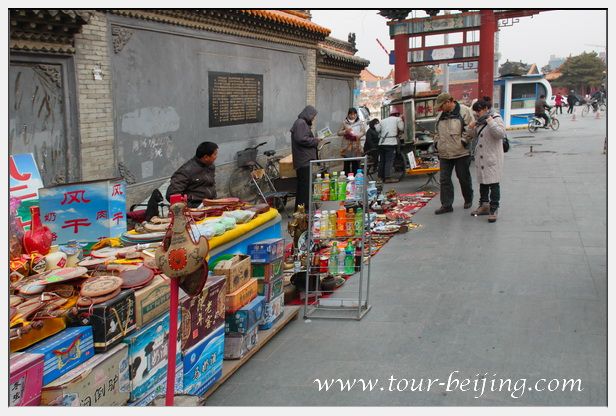
The street gathers valuable folk articles and curio. Along the street lines archaic houses as shops placing craftworks with strong campo national style, such as Mongolian knife, all sorts of wine set enchased the head portrait of Genghis Khan, exquisite horse head string instrument, Mongolian ornaments, sheepskin productions, etc.
Xilituzhao Lamasery or Xilitu Zhao Temple is located just to the east of Dazhao Lamasery in Yuquan District of Hohhot. The temple was built in the Tibetan style in the Ming Dynasty (1368-1644). It houses the residence of the 11th Grand Living Buddha.
Xilituzhao Lamasery is still very active today. sometimes visitors may come across Tibetan monks and followers in prayer, you may get the chance to see one of the temple festivals, where traditional instruments are played. It is sometimes possible to find a monk who can speak English and can take you around.
For more photos, check out the link: Xilituzhao Lamasery.
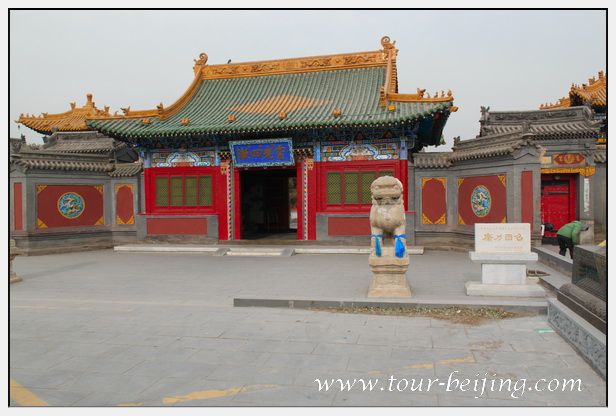
The Great Mosque was founded during the reign of Emperor Kangxi of the Qing Dynasty (1644-1911). A great number of the Hui Muslim Minority migrated from Xinjiang, Ningxia and Shannxi to Inner Mongolia starting from that time.
The architecture is a beautiful mix between Chinese pagoda style roof with Arabic style windows. The viewing the crescent moon & star minaret is a beauty, slender and solemn.
For more photos about the mosque, check out the link: Hohhot Mosque (Great Mosque) .
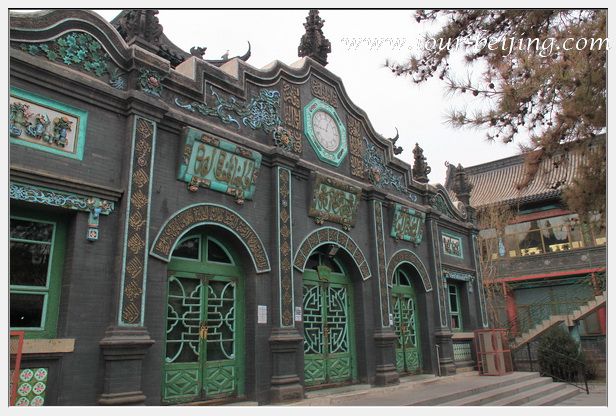
All built in black brick, the most grandeur building is Grand Prayer Hall, behind which are located both the Teaching Hall and the Muslim Baths.
All the buildings are carved with Muslim characters, and the most famous are the over 30 volumes of ancient Koran scriptures, all written in Arabic.
With permission, you are allowed to climb the 15 meters tall hexagonal minaret and have a good view of the city.
Add: 28 Dongdao South Street, Huimin District, Hohhot 呼和浩特市回民区通道南街28号
Islam Style Street is located in Hohhot's Hui District ( Muslim District). It is the district where most of the Hui (Muslim) people live, forming a certain scale of Hui economy, culture and historical atmosphere, so the Islam Style Street is also named.
Walk along the Islam style street, with desert yellow and green and white colors, rows of pointed arched doors and windows juxtaposed, a vigorous and full spherical temple roof, let a person enjoy the rich Islamic style.
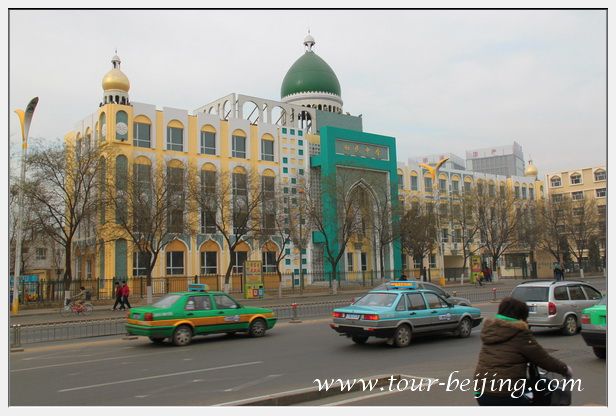
The Islam Style Street with Islamic architecture is 1,150 meters in length. The Hui people live here, the Islamic style buildings are concentrated, the Muslim business is prosperous, especially because of thousands of years of strong Islamic culture, so that the formation of a strong Islamic atmosphere here.
If you don’t want to go the do-it-yourself route and prefer the hassle-free escorted tours, here are some options for guided tours to Inner Mongolia:
Share a question or note for this guide. Comments are reviewed before publishing.
Hand-picked routes matched from this article's destination clues, tags, and categories.
Use these attraction notes to connect nearby sights with tours, destination guides, and planning articles.
Continue planning with practical Beijing guides selected from similar places, themes, and travel questions.
Subscribe to receive Beijing travel ideas and tour updates.